Salt air eats through the wrong materials fast. On the Gold Coast, where subtropical storms, tidal humidity, and corrosive sea spray are part of daily life, choosing the right building materials isn’t just a design decision — it’s a long-term investment. This guide covers what makes coastal construction on the Gold Coast so demanding, and why precast concrete for coastal homes is increasingly the standard for builders and homeowners who want structures that last.

Why Coastal Conditions Demand Smarter Material Choices
Coastal construction on the Gold Coast faces challenges that inland builds simply don’t. Salt-laden air accelerates corrosion in metal reinforcements and degrades weaker concrete mixes. High moisture levels promote cracking. Cyclonic winds and storm surges place extraordinary lateral loads on structures. And Queensland’s wet season adds intense hydrostatic pressure that can compromise foundations and retaining systems alike.
Choosing the wrong materials doesn’t just shorten a building’s lifespan, it creates safety risks and drives up long-term costs. That’s why selecting durable materials for coastal homes is one of the most important decisions you’ll make before breaking ground.
What Makes Precast Concrete Ideal for Coastal Environments
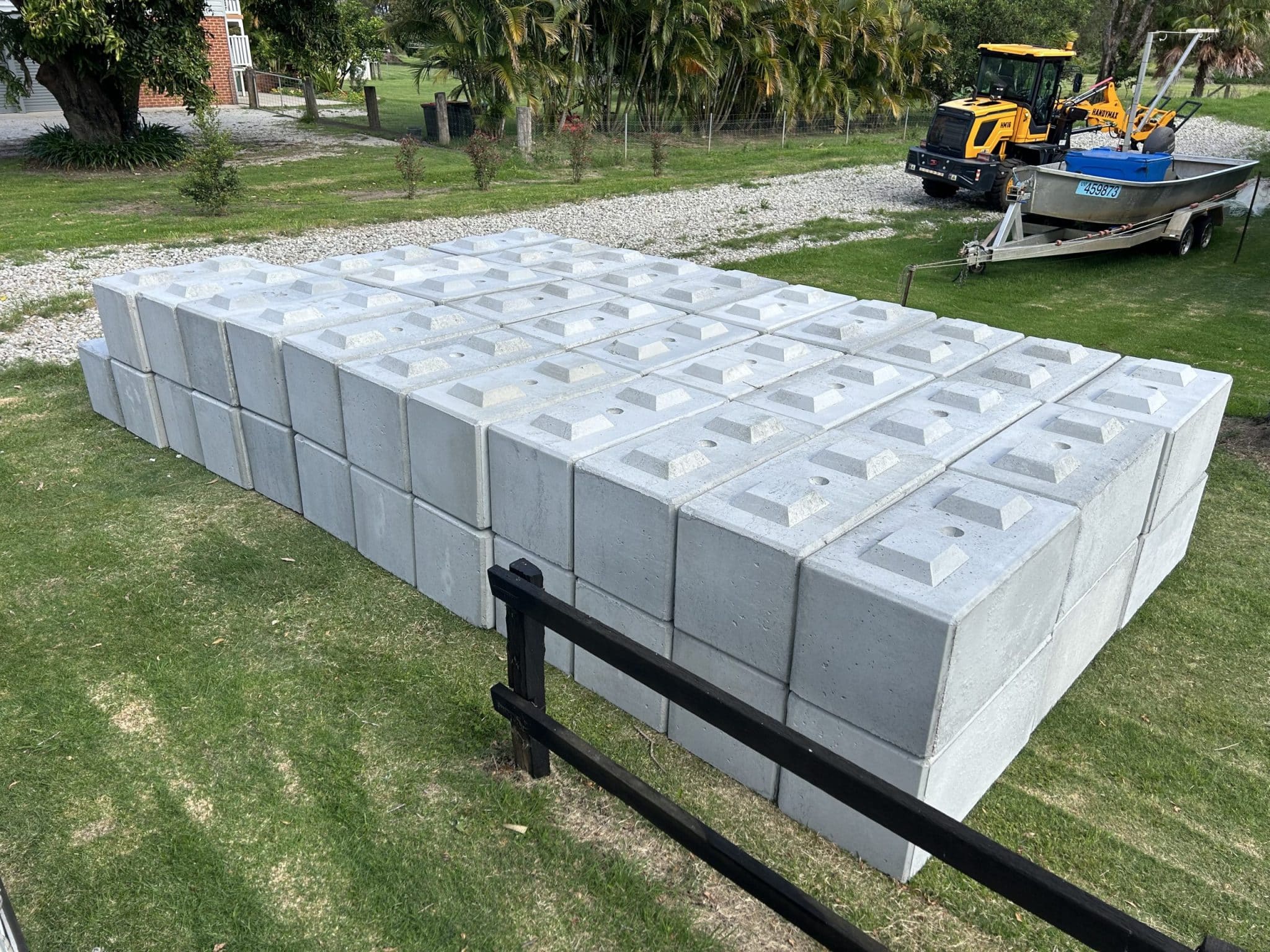
Precast concrete for coastal homes is engineered to withstand the conditions that degrade other materials. Unlike standard poured concrete or timber alternatives, precast elements are manufactured in controlled factory environments where mix ratios, curing times, and reinforcement placement can all be optimised for coastal performance.
Key advantages include:
- Corrosion-resistant construction materials: Precast concrete uses dense, low-permeability mixes that significantly reduce chloride penetration, the primary cause of steel reinforcement corrosion in salt-exposed environments.
- Structural integrity in coastal environments: Factory-controlled production eliminates the inconsistencies of on-site pours, delivering uniform strength and predictable performance under load.
- AS4678 compliance: Products manufactured to Australian Standards are tested for the specific demands of Queensland coastal construction standards, including wind, moisture, and load requirements.
- Low maintenance: Unlike timber, which rots, or steel-framed systems that rust, precast concrete solutions for coastal properties require minimal ongoing upkeep, a significant advantage backed by recycled concrete blocks that don’t compromise strength.
Together, these qualities make precast concrete one of the most reliable concrete solutions for coastal properties, and the benchmark InfraBlock has built its reputation on.
Corrosion Resistance: The Biggest Threat to Coastal Structures
Corrosion is the silent killer of coastal builds. Salt particles carried in sea breeze deposit on surfaces and penetrate building materials over time, attacking the steel reinforcement inside conventional concrete structures. Once corrosion takes hold, it expands and cracks the concrete from the inside out.
Corrosion-resistant construction materials are non-negotiable for coastal properties. Quality precast concrete addresses this in several ways:
- Low water-to-cement ratios produce denser concrete with fewer pores for salt to exploit
- Supplementary cementitious materials like fly ash or slag improve long-term durability and reduce permeability
- Protective coatings and sealants can be applied during manufacturing for an additional barrier against salt exposure
- Compliance with AS4678 ensures structural standards are met for earth-retaining and load-bearing applications in coastal Queensland
When evaluating concrete solutions for coastal properties, these aren’t optional extras. They’re the baseline, and every InfraBlock precast concrete product is manufactured with all four in mind.
Coastal Home Design Considerations Worth Planning Early
Getting coastal home design considerations right from the design stage prevents expensive retrofits later. A few areas that often get overlooked:
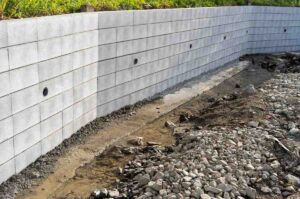
- Drainage integration: Water behind retaining walls creates hydrostatic pressure that destroys structures over time. Proper stormwater management prep and precast systems with built-in weep holes and engineered backfill specifications address this from the ground up.
- Elevated foundations: In flood-prone coastal zones, raising floor levels and using precast concrete foundations provides resilience against storm surge and tidal inundation.
- Cyclone and storm loads: Queensland’s coastal regions are classified as cyclonic zones. Precast concrete’s mass and rigidity make it far more effective at resisting lateral wind loads and water intrusion during storm events than lightweight framing systems.
- Material compatibility: Salt-resistant building materials need to work together. Mixing precast concrete with corrosion-prone fixings or untreated steel undermines the whole system.
- Council and engineering approvals: Gold Coast City Council enforces specific standards for coastal builds, particularly in flood and erosion-risk zones. Using pre-certified, standards-compliant materials streamlines this process considerably.
Starting with the right materials and structural systems early reduces approval timelines, avoids costly design changes mid-project, and ensures your build is protected from day one.
The Best Materials for Coastal Construction: A Practical Comparison
When evaluating the best materials for coastal construction, it helps to stack the options against the conditions they’ll face:
| Material | Salt Resistance | Storm Performance | Maintenance Load | Lifespan |
| Precast Concrete | High | Excellent | Low | 50–100+ years |
| Timber | Low | Poor | High | 10–25 years |
| Standard Poured Concrete | Moderate | Good | Moderate | 30–50 years |
| Steel-Framed Systems | Low (untreated) | Moderate | High | 20–40 years |
Precast concrete on the Gold Coast consistently outperforms alternatives across every category that matters in a coastal environment. Its combination of density, reinforcement protection, and factory-grade consistency makes it the material of choice for engineers and builders working in high-exposure zones, and why InfraBlock remains the Gold Coast’s most trusted precast concrete supplier.
How InfraBlock Supports Coastal Builds on the Gold Coast
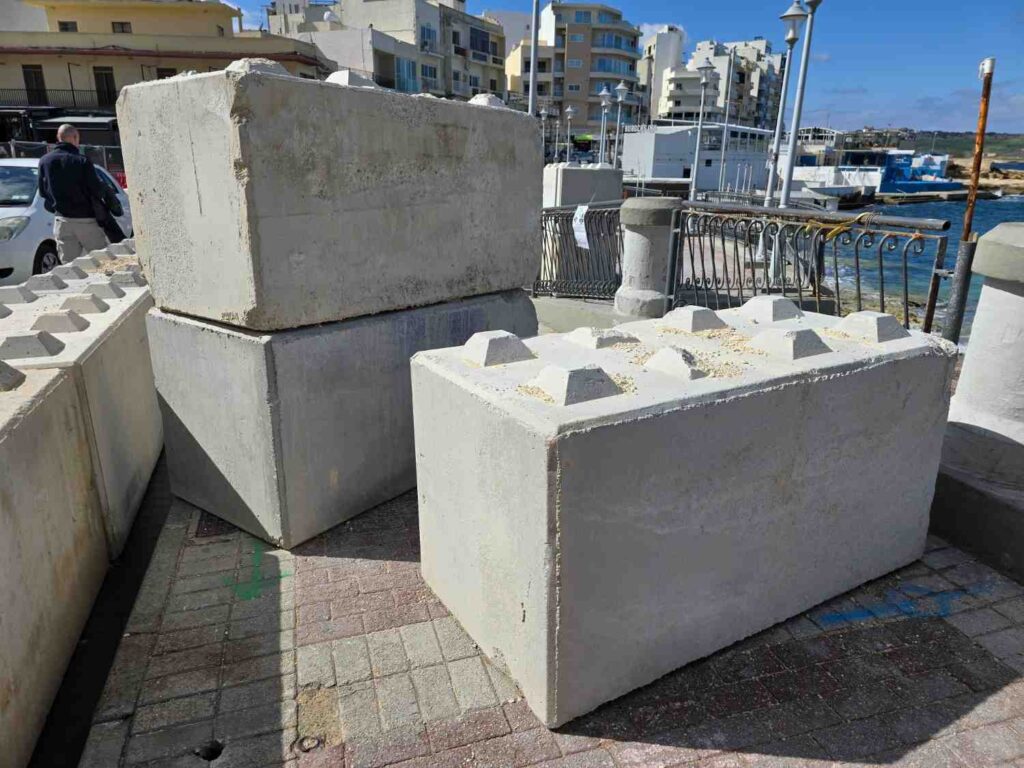
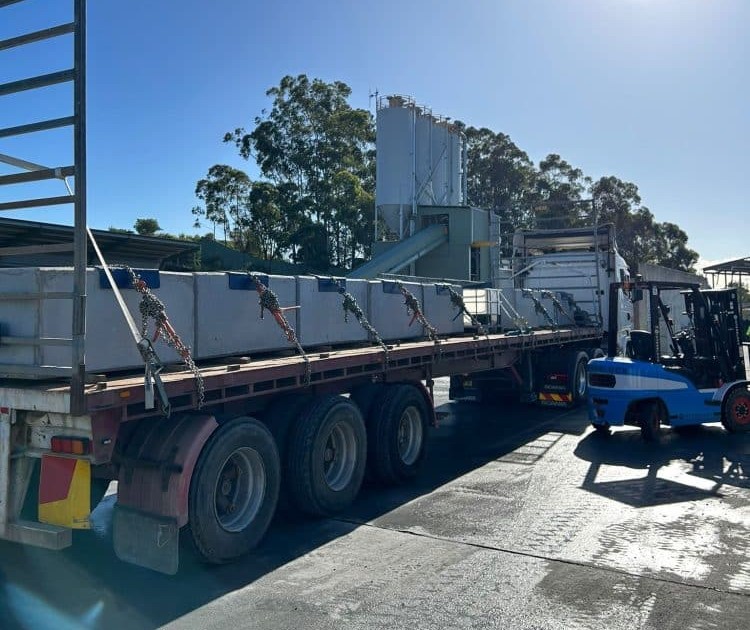
InfraBlock is the Gold Coast’s leading provider of precast concrete and sustainable construction materials, with a product range built for coastal and cyclonic conditions. Our Curvature Retaining Blocks and Large Interlocking Blocks are manufactured to AS4678 standards, delivering the structural integrity coastal builds demand, from beachfront properties to storm-prone hinterland-coastal sites.
Whether you’re building a new home, upgrading a retaining system, or preparing for Queensland’s wet season, our precast concrete for coastal homes combines low-carbon manufacturing, coastal durability, and council-compliant design. We can advise on the right concrete solutions for coastal properties, tailored to your specific site conditions and budget.
Build Smarter from the Start
Future-proofing a coastal build isn’t about over-engineering. It’s about making the right choices early. Specifying corrosion-resistant construction materials, designing for cyclone and storm loads, and integrating proper drainage from the outset protects your investment for decades. Precast concrete for coastal homes covers every front: durability, compliance, low maintenance, and long-term value. For coastal construction on the Gold Coast, InfraBlock delivers the expertise and products to get it right from day one.
A stronger coastal home starts with stronger materials. Call 0478 102 201 or email info@infrablock.com.au to start building with confidence today.