Queensland’s rainy season doesn’t pause for construction deadlines. When the wet weather hits, your choice of concrete method can mean the difference between a project that stays on schedule and one that grinds to a halt. This guide breaks down precast vs poured concrete in wet conditions, covering performance, compliance, and which solution best suits Queensland’s rainy season.
Why Wet Weather Makes Concrete Selection Critical
Queensland’s wet season typically runs from December through March, bringing intense rainfall, high humidity, and unpredictable storms. These conditions directly compromise structural integrity, delay timelines, and inflate costs. For construction projects of any scale, the wrong material choice during this period can turn manageable weather into a serious setback.
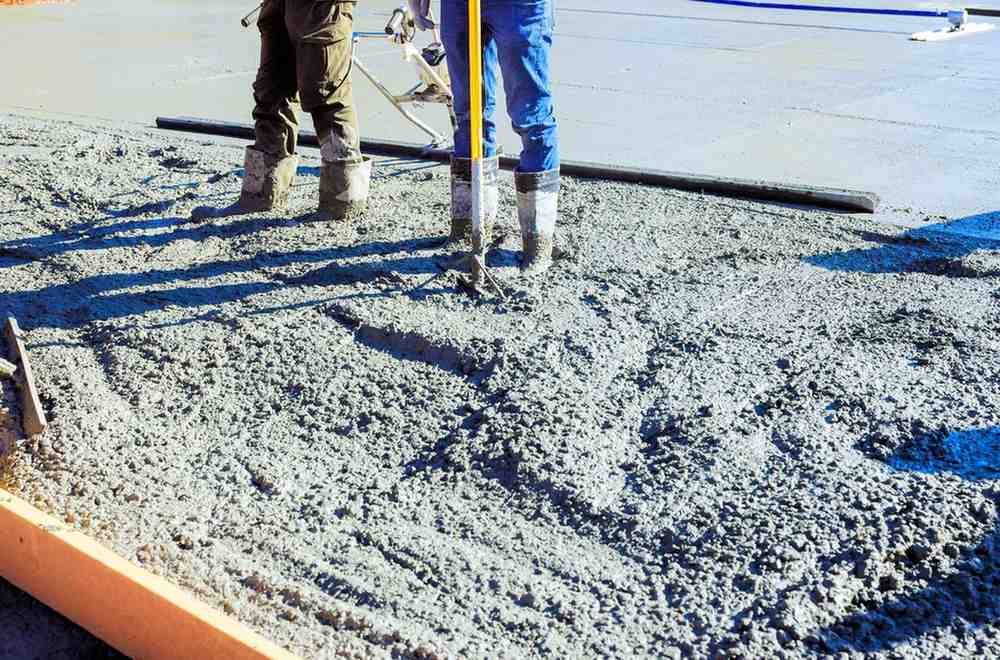
Concrete curing in wet weather is particularly vulnerable. Excess moisture interferes with the water-to-cement ratio, weakening the final product. On-site poured concrete is especially exposed, as rain can dilute the mix mid-pour or wash away surface cement before it sets. For builders and homeowners managing rainy season construction in Queensland, these risks are not hypothetical, they’re routine.
Precast vs Poured Concrete: The Core Difference
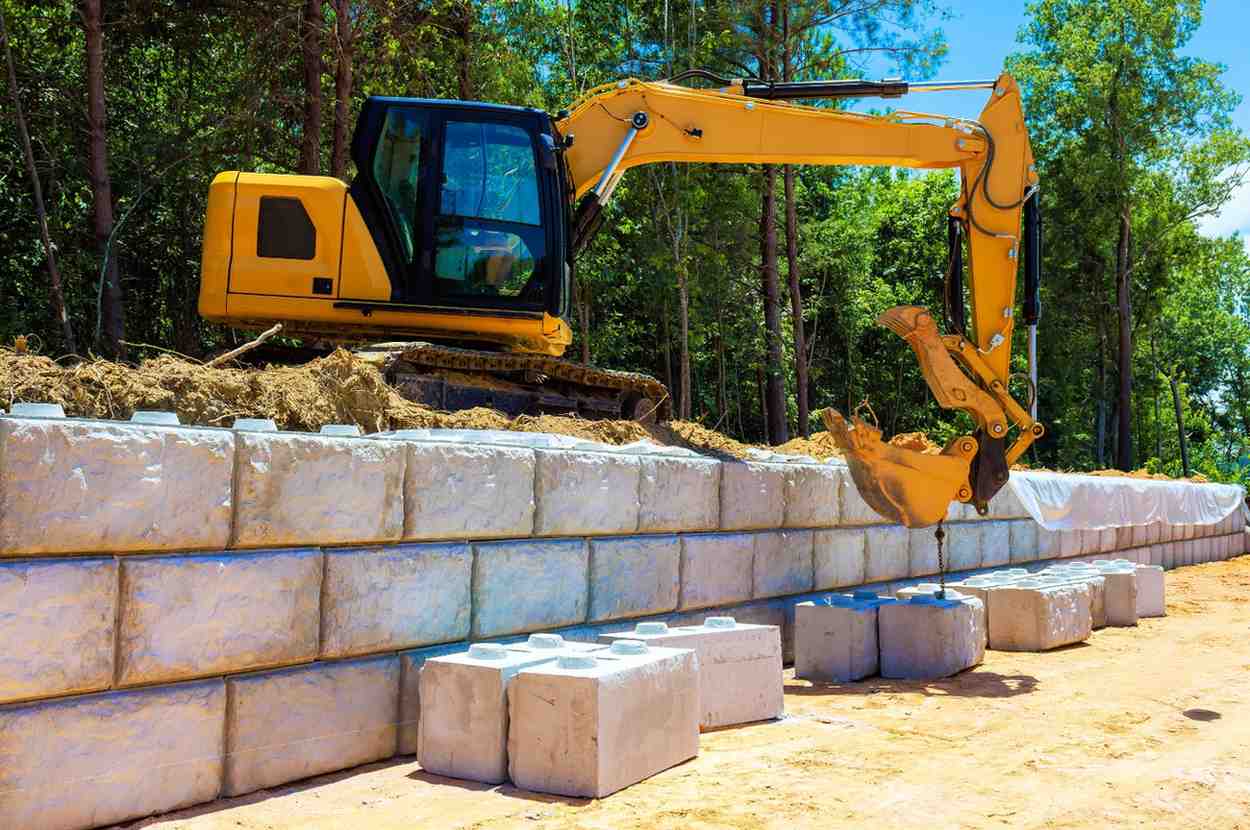
At its most basic, the difference comes down to where and when concrete is made. Poured concrete, also known as in-situ concrete, is mixed and cast directly on-site. It offers flexibility for complex shapes but is highly dependent on site conditions, including weather. Precast concrete is manufactured off-site in controlled factory environments, then delivered to site ready for installation, with mix ratios and curing conditions managed precisely regardless of outside weather conditions.
In the context of precast vs poured concrete in wet conditions, that factory-controlled production process is the defining advantage.
Why Poured Concrete Struggles in Wet Conditions
Wet weather concrete pouring introduces challenges that are difficult to mitigate on-site:
- Diluted mix: Rain falling into freshly poured concrete increases the water-cement ratio, reducing compressive strength
- Surface damage: Rainwater creates a weaker surface layer prone to cracking and scaling over time
- Delayed curing: High humidity slows hydration, extending the time before a structure can bear load
- Increased labour costs: Covers, pumping equipment, and extended supervision add to project budgets
- Compliance risks: Concrete that cures poorly may not meet AS 4678 standards, triggering costly rework
Even experienced teams struggle to control these variables when storms arrive unexpectedly. In Queensland, that’s a routine challenge throughout the wet season.
Why Precast Concrete Is Built for Wet Weather
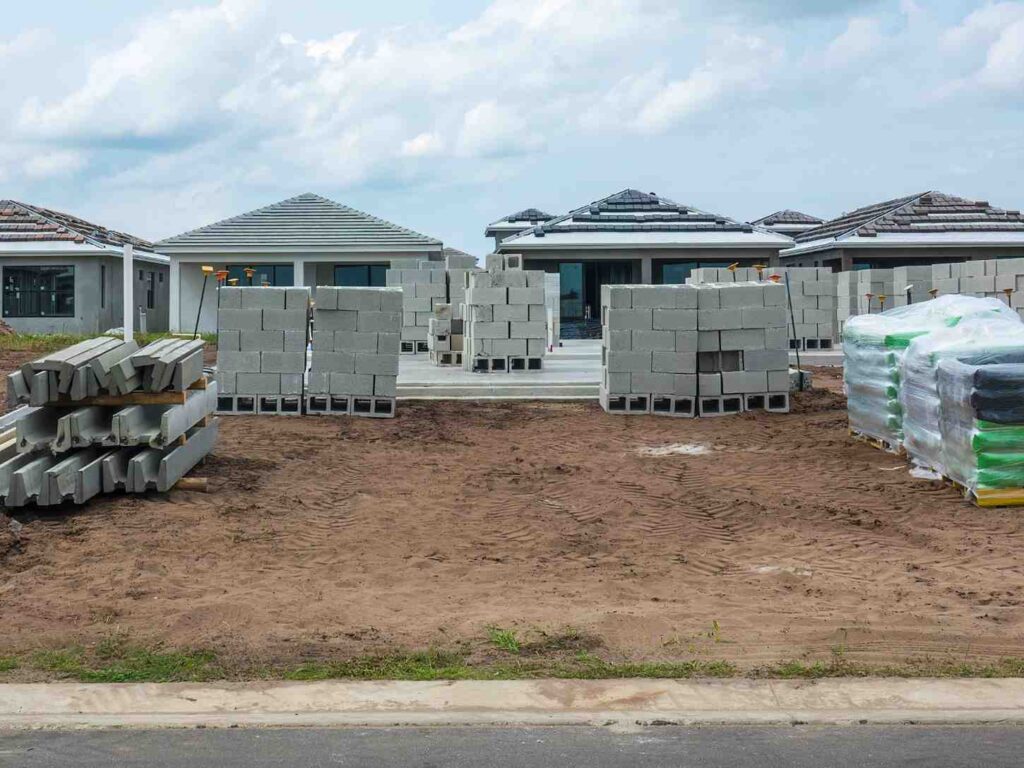
Precast concrete in Queensland is manufactured in controlled factory environments, completely removed from weather exposure. Curing happens under optimal conditions before blocks reach site, the fundamental advantage in wet weather.
The precast concrete benefits in wet weather are clear:
- Consistent strength: Every block is cured to specification, unaffected by on-site rainfall or humidity
- Faster installation: Pre-made components are placed using machinery, minimising weather exposure during builds
- Reduced downtime: Precast concrete installation on the Gold Coast can proceed even during light rain, as there’s no wet mix to protect
- Compliance confidence: Factory-produced blocks arrive with certified engineering, simplifying AS 4678 approvals
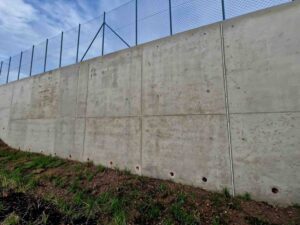
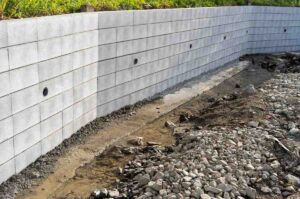
- Integrated drainage: Precast systems are designed with built-in weep holes and drainage channels, reducing hydrostatic pressure without costly on-site additions
- Lower long-term maintenance: Controlled curing produces denser concrete that resists moisture penetration and coastal corrosion
For rainy season construction in Queensland, this means projects stay on schedule, avoid costly weather delays, and prove that precast walls are a smarter investment over the long term.

Precast Concrete vs Poured Concrete: Side-by-Side Comparison
| Factor | Precast Concrete | Poured Concrete |
| Weather dependency | Low, cured off-site | High, vulnerable during pour and cure |
| Installation speed | Fast, delivered ready to place | Slower, requires mixing, forming, curing on-site |
| Strength consistency | High, factory-controlled | Variable, affected by site conditions |
| AS 4678 compliance | Pre-certified, streamlined approval | Requires on-site quality assurance |
| Cost in wet conditions | Lower overall (fewer delays) | Higher (labour, covers, rework risk) |
| Sustainability | Recyclable, reduced waste | More on-site waste and material loss |
| Best for Queensland | Wet season, coastal, time-sensitive builds | Controlled dry-weather conditions |
For Gold Coast construction projects during the wet season, precast concrete is the clear frontrunner. Poured concrete suits specific applications in dry conditions, but as the best concrete method for wet conditions, precast consistently outperforms. Local manufacturers like InfraBlock are equipped to deliver the right solution, whatever the season demands.
Planning Your Concrete Project Around Queensland’s Wet Season
Timing is everything for concrete construction in wet weather. Getting ahead means making material decisions and securing supply early, before demand for precast concrete on the Gold Coast rises and lead times extend.
Here are a few practical tips for wet season planning:
- Order precast early: Factory production schedules fill quickly ahead of the wet season. Locking in supply before demand peaks keeps your project on track
- Assess your site drainage first: Identify low points, slopes, and water flow paths before installation. Proper stormwater management prep ensures your retaining system performs under heavy rainfall
- Check council requirements upfront: Walls over 1 metre typically require engineering certification. Pre-engineered precast systems streamline this process considerably
- Avoid scheduling poured concrete in peak wet months: If poured concrete is part of your project, confine those stages to drier months where site conditions can be properly controlled
Planning ahead is the most cost-effective wet season strategy available. Working with a local manufacturer ensures supply, compliance, and expertise are all in one place, and InfraBlock’s precast concrete blocks are built specifically for Queensland conditions.

Why InfraBlock Is the Gold Coast’s Trusted Precast Supplier
As the Gold Coast’s leading manufacturer and supplier of precast concrete and sustainable construction materials, InfraBlock delivers retainment products purpose-built for Queensland’s climate. Every product is manufactured to AS 4678 standards using sustainable concrete mixes that incorporate recycled aggregates, from Curvature Retaining Blocks and Large Interlocking Blocks to Counterweight/Tie-Down Blocks.
With large-scale local manufacturing and consistent supply across South-East Queensland, InfraBlock ensures your project is stocked and ready before the wet season hits. Whether you’re managing a residential retaining wall or a commercial civil project, our team provides the precast concrete on the Gold Coast that keeps builds compliant, on budget, and on schedule, regardless of what the wet season brings.
Start Your Wet Season Build the Right Way
When it comes to precast vs poured concrete in Queensland’s rainy season, the evidence is clear. Precast concrete delivers the consistency, speed, and weather resilience that poured concrete cannot match in high-rainfall conditions. For Gold Coast builders and homeowners managing wet season projects, it’s the smarter investment for timelines, budgets, and structural integrity. InfraBlock’s purpose-built precast systems are engineered to perform when Queensland weather is at its worst.
Get your project ready before the next downpour hits. Call 0478 102 201 or email info@infrablock.com.au to discuss your wet season concrete needs with our team today.