Heavy rain doesn’t cause retaining wall failures — it exposes them. The real damage starts long before the wet season arrives, and by the time you spot a problem, the repair bill has already grown. Knowing the retaining wall failure signs to look for now could save your property from serious structural damage this season.
Why the Wet Season Is Peak Risk for Retaining Walls
The Gold Coast’s wet season brings intense, sustained rainfall that saturates soil and builds hydrostatic pressure behind retaining walls. That pressure is the leading cause of retaining wall failure, and most walls that collapse during storms were already compromised well before the rain hit.
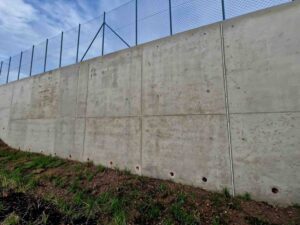
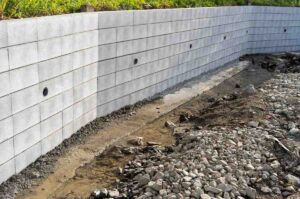
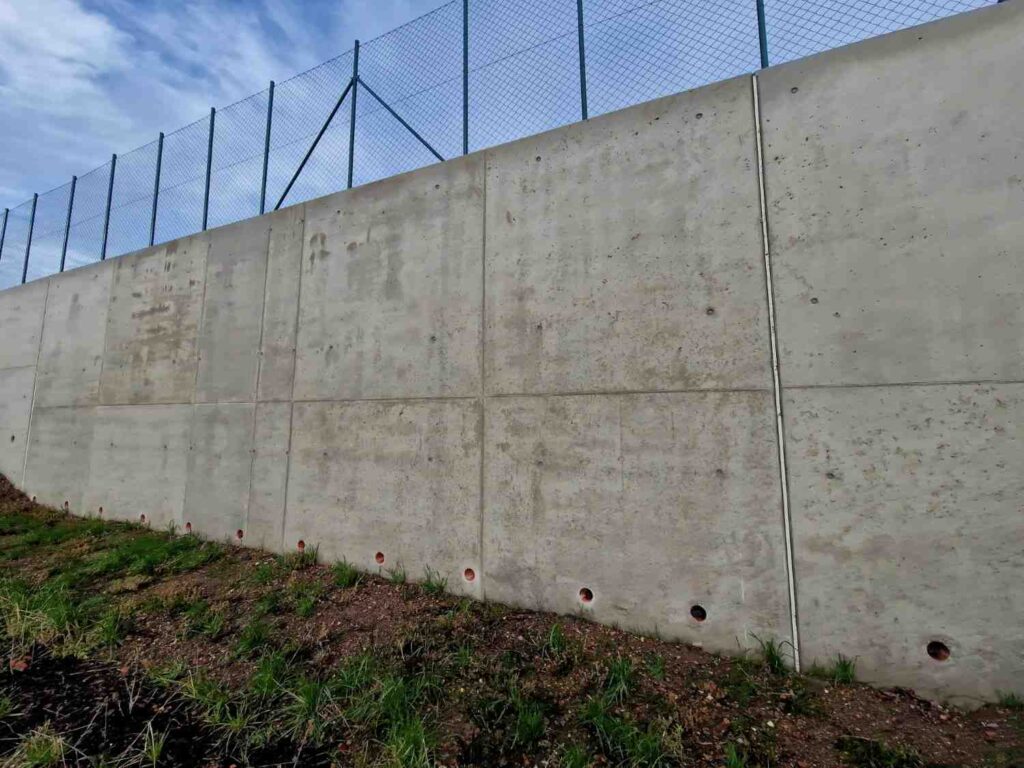
Retaining wall drainage problems accelerate this process. Blocked weep holes, inadequate backfill, or missing drainage pipes mean water has nowhere to go. Pressure builds, soil shifts, and walls that looked fine in the dry season start showing cracks, bulging, or leaning. Left unaddressed, these early warning signs can escalate into structural failure by the time the wet season peaks.
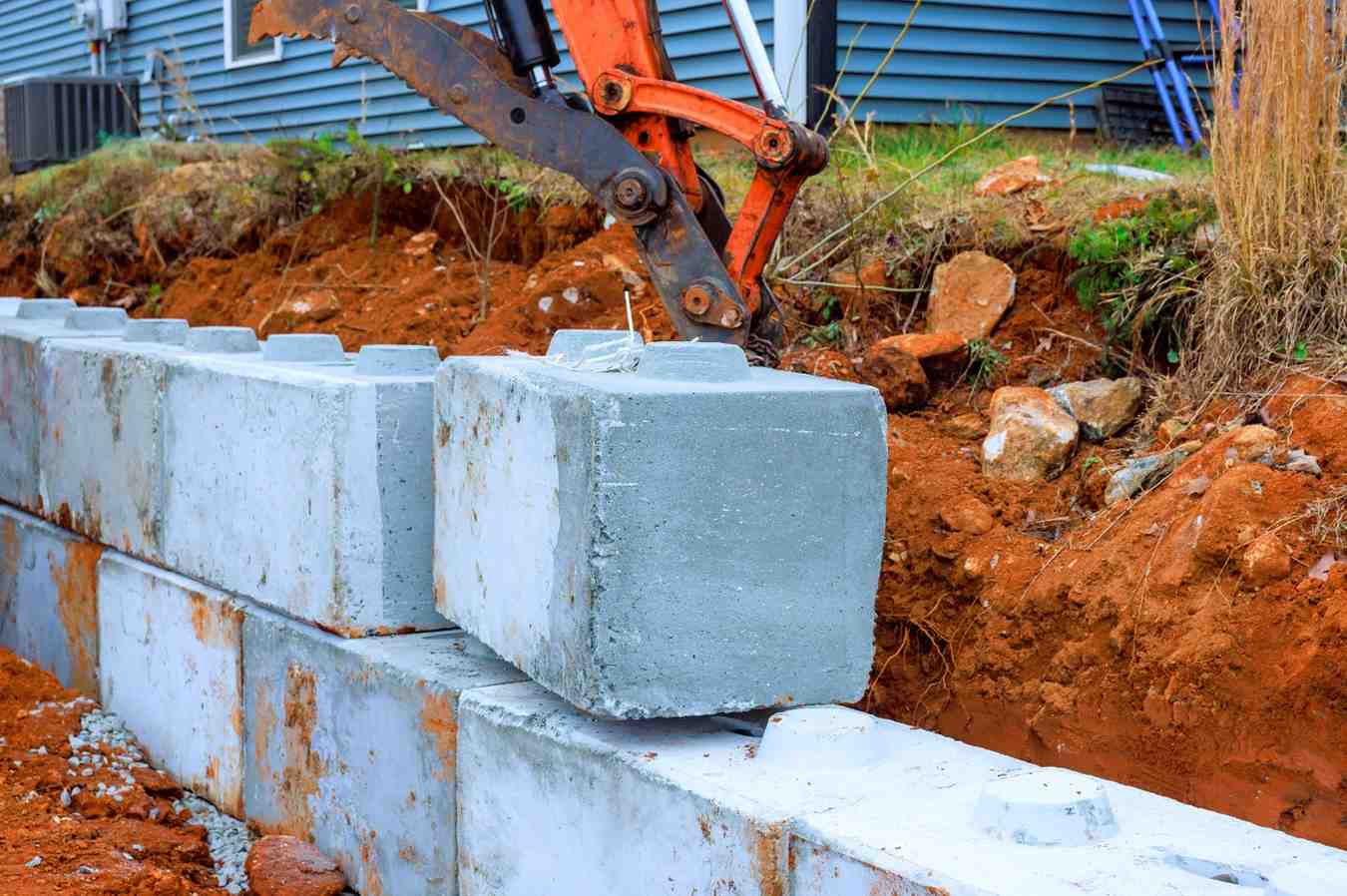
How to Tell If a Retaining Wall Is Failing
Catching problems early is the difference between a repair and a rebuild. Here’s what to look for during a retaining wall inspection on the Gold Coast:
- Cracks in the wall face: Horizontal cracks are a serious warning sign — they indicate the wall is under lateral pressure and may be close to failure. Vertical cracks can signal settlement issues
- Bulging or bowing: Retaining wall bulging causes include water pressure and soil movement pushing against the wall face. Even minor bowing warrants immediate attention
- Leaning: A retaining wall leaning out of plumb is a collapse warning sign, not a cosmetic issue. Do not ignore it
- Water seeping through the base: If water is pooling at the base or seeping through the wall, your drainage system has failed
- Soil erosion behind or below the wall: Undermining the base compromises the entire structure
- Rust staining or efflorescence: White mineral deposits or rust streaks suggest water is consistently penetrating the wall
Any one of these retaining wall collapse warning signs should prompt a professional inspection before the next heavy rainfall.
Common Causes of Retaining Wall Failure
Understanding the causes of retaining wall failure helps you assess your own property’s risk:
- Poor or absent drainage: The most common cause. Water accumulation behind the wall creates pressure the structure wasn’t designed to handle. Understanding proper drainage behind retaining walls is the first step toward preventing this
- Inadequate foundations: Shallow footings on Gold Coast’s variable soils shift under load, especially when saturated
- Undersized or low-quality materials: Walls built with substandard blocks erode, crack, or lose structural integrity over time
- Age and weathering: Older walls built before current Australian Standards may no longer meet load or drainage requirements
- Proximity to pools or garden irrigation: Constant moisture around the wall accelerates deterioration
Most of these issues develop gradually and become critical once wet season rainfall adds sustained pressure to an already weakened structure. Staying on top of retaining wall maintenance and catching the causes of retaining wall failure early gives you the best chance of a repair rather than a full replacement. Choosing the right materials from the start, like InfraBlock’s precast concrete blocks, goes a long way toward preventing these issues altogether.
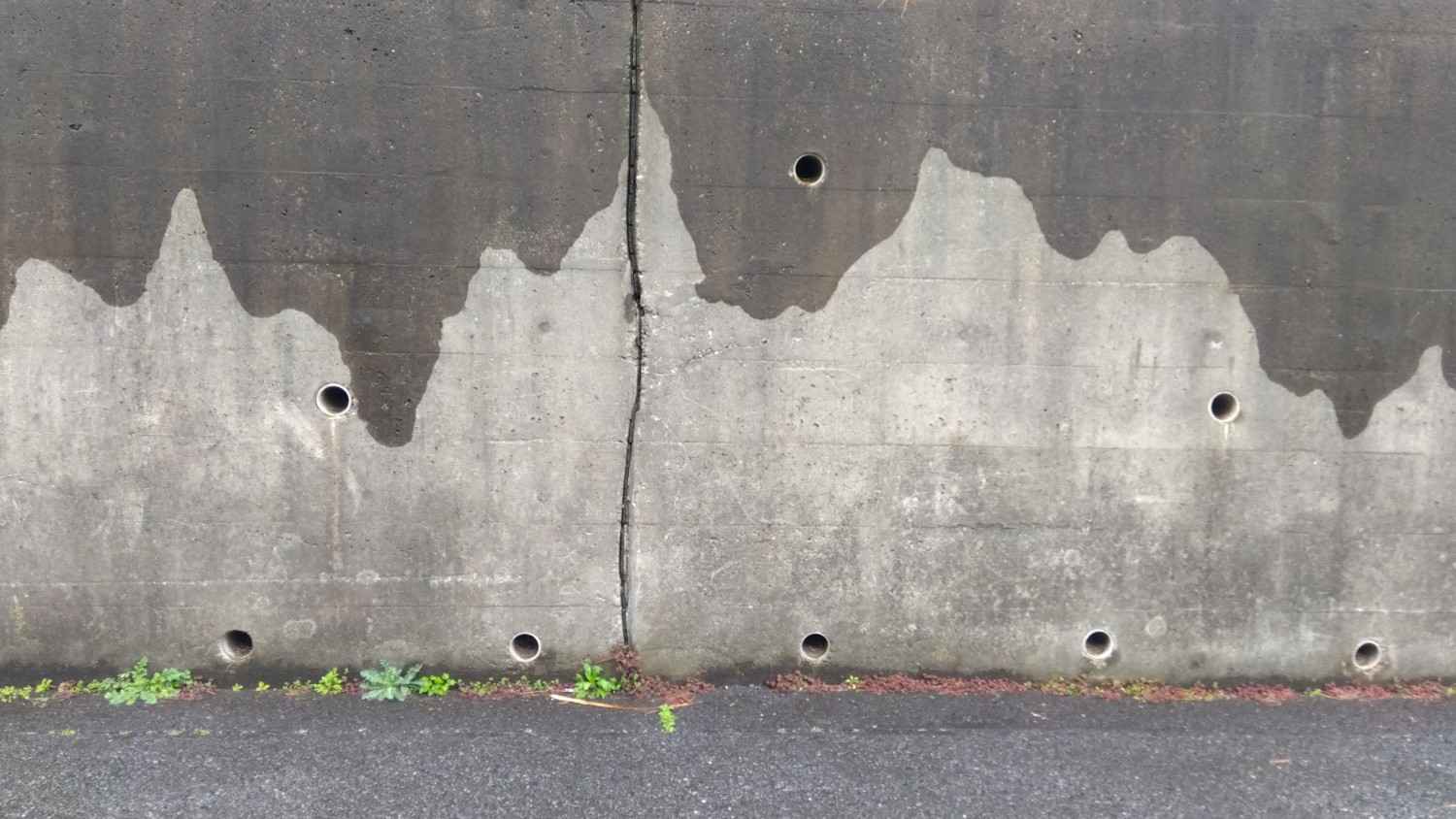
Retaining Wall Inspection Checklist
Use this retaining wall inspection checklist as a starting point before the wet season:
- Check all weep holes are clear and unobstructed
- Look for cracks, bowing, or leaning along the full wall face
- Inspect the base for erosion, undermining, or water pooling
- Check the area behind the wall for soil slumping or settlement
- Test drainage by running a hose along the top and watching where water flows
- Note any trees or roots close to the wall that may be disrupting the foundation
If you’re unsure what you’re looking at, a professional retaining wall inspection on the Gold Coast combined with proper stormwater management prep will give you a clear picture of where your Gold Coast retaining wall stands before the wet season hits.
What to Do If Your Retaining Wall Is Failing
If you’ve identified signs a retaining wall is failing, act quickly. Here’s what to do and how to prevent the situation from worsening:
- Don’t load the wall further: Avoid placing heavy equipment, vehicles, or additional soil near a compromised wall
- Keep people away: A leaning or cracked wall can fail quickly, especially once rain begins
- Document the damage: Photograph cracks, bulging, and any water ingress for your contractor and insurance
- Clear drainage systems: Remove debris from weep holes, French drains, and surface channels. Neglecting this ranks among the top retaining wall mistakes homeowners make before the wet season
- Redirect surface water: Downpipes and runoff should flow away from retaining walls, not toward them
- Avoid over-irrigating: Garden beds sitting behind or above a wall add constant moisture that accelerates deterioration
- Call a professional: Retaining wall repair on the Gold Coast requires someone who understands local soil conditions, drainage requirements, and council regulations
Damaged retaining wall repair isn’t a DIY job, particularly for walls over one metre. Replacing ageing or non-compliant walls before they fail is always the smarter and more cost-effective approach. Precast retaining wall blocks are purpose-built for Gold Coast conditions and offer a faster, more reliable solution than traditional materials.
Why Choose InfraBlock for Your Retaining Wall Needs
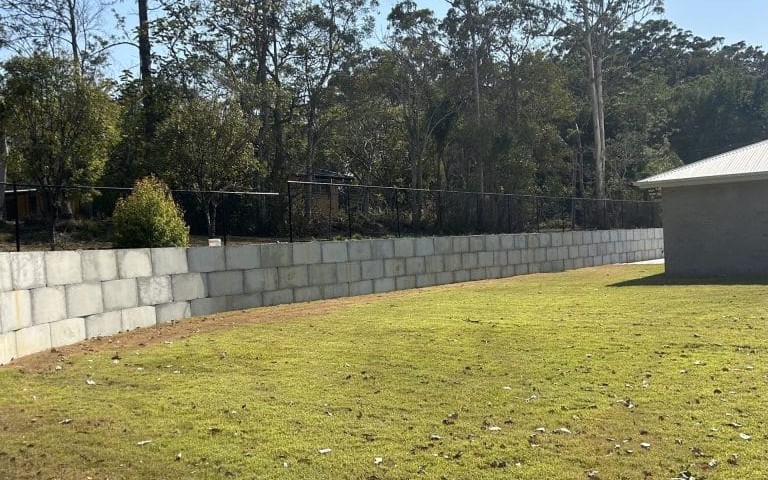
As the Gold Coast’s leading supplier of precast concrete and sustainable construction materials, InfraBlock delivers retaining wall solutions built to withstand the heavy rainfall and saturated soils that Gold Coast’s wet season brings. Every product meets AS4678 standards, with factory-engineered drainage integration and certified structural performance, the reliability that matters most when the wet season arrives.
Our Curvature Retaining Blocks suit residential backyards and pool areas, while our Large Interlocking Blocks provide heavy-duty support for commercial and civil projects. Both install quickly, reducing wet weather delays and getting your property protected faster. Whether you’re dealing with a retaining wall failing after heavy rain or building ahead of the season, our team provides tailored advice and support from start to finish.
Don’t Wait for the Wall to Come Down
Retaining wall failure signs are almost always visible before a collapse occurs. A proactive inspection now, while conditions allow, is the smartest move any Gold Coast property owner can make before the wet season peaks. InfraBlock supplies precast retaining wall blocks built to perform under the pressure and heavy rainfall that Gold Coast’s wet season brings.
Whether you’re replacing a failing wall or building new ahead of the season, our team is ready to help. Call 0478 102 201 or email info@infrablock.com.au to find out how our precast blocks can protect your property before the next heavy rain.