The most common reason retaining wall construction on the Gold Coast runs late has nothing to do with the build itself — it’s everything that should have happened before it started. On the Gold Coast, the window before winter is one of the most productive planning periods of the year, with stable ground, open contractor schedules, and predictable building conditions. For builders, developers, and property owners looking to prepare a retaining wall project on the Gold Coast, working through the preparation checklist now means your project is ready to move before the winter build season begins.
Why Pre-Winter Preparation Matters on the Gold Coast
South-East Queensland’s climate follows a reliable seasonal rhythm. The wet season delivers intense rainfall and saturated ground conditions that complicate excavation, drainage installation, and footing work. By May, the ground has typically drained and stabilised — exactly the conditions a well-executed retaining wall project depends on.
Pre-winter preparation isn’t just about timing. It’s about giving every stage of the project the conditions it needs to go smoothly:
- Site assessments: are more accurate on dry, accessible ground
- Engineering and approval processes: can run without wet season delays compressing your timeline
- Material lead times: can be locked in before spring demand pushes supplier schedules out
- Drainage planning: is easier to design and install when soil saturation isn’t a variable
Builders and developers across Queensland who plan their retaining wall projects in autumn consistently complete them with fewer delays and fewer surprises.
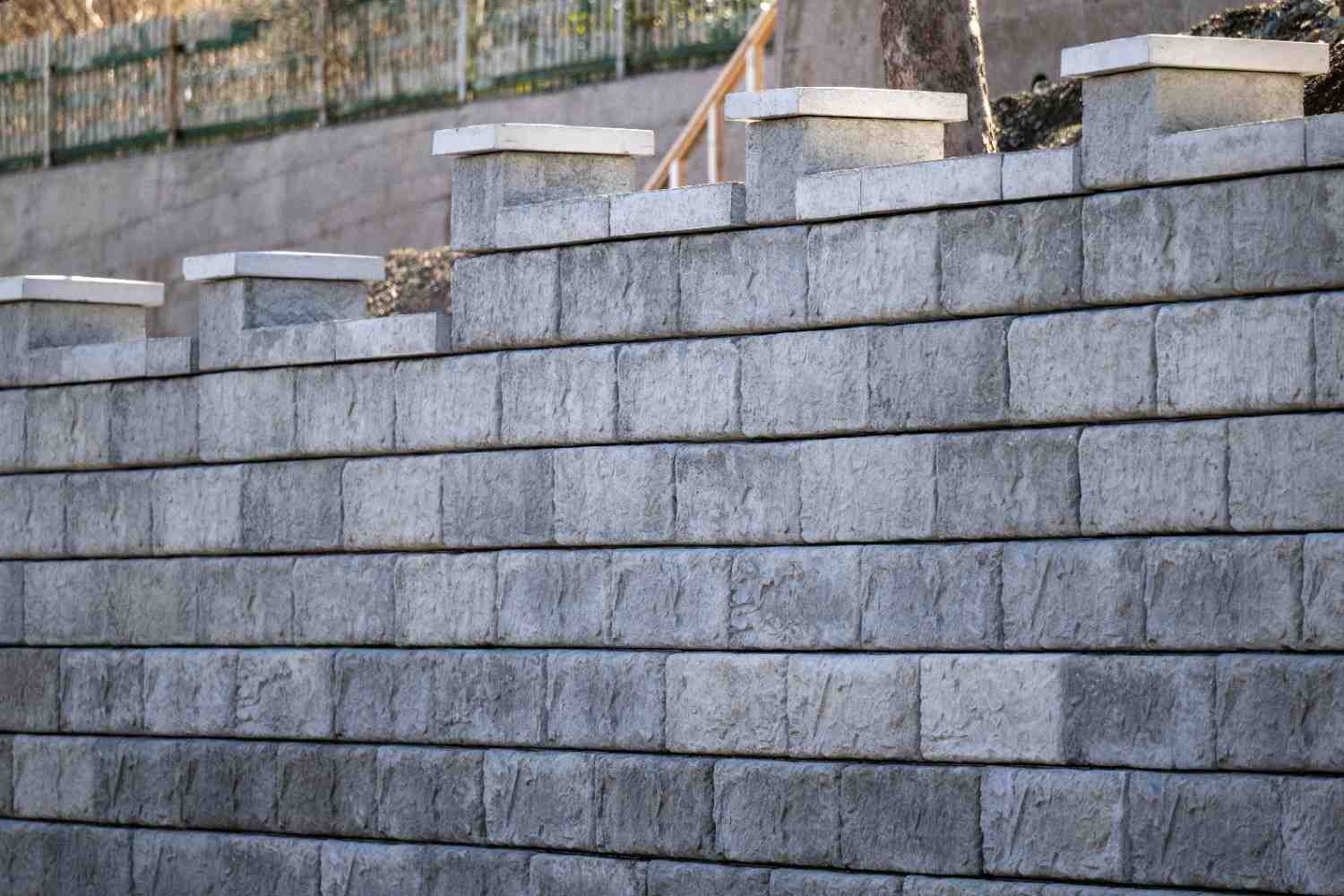
Step 1: Assess Your Site
A thorough site assessment establishes the scope of the project and identifies everything that needs to be resolved before work begins.
Key site assessment steps for retaining wall preparation in Queensland include:
- Wall height and length: Confirm the dimensions of the proposed wall, as height thresholds trigger different approval and engineering obligations under Queensland regulations
- Soil type and condition: Clay soils common across many Gold Coast areas expand when wet and place significant lateral pressure on retaining structures. Sandy or loamy soils require different engineering considerations
- Slope and drainage patterns: Understand how water currently moves across the site and where it will go once the wall is in place
- Proximity to structures and boundaries: Walls within 1.5 metres of a building or property boundary have specific compliance requirements under Queensland building regulations
- Underground services: Confirm the location of stormwater, sewer, and electrical services before any excavation begins
Getting this right early avoids the costly surprises that surface mid-project. If the site is complex, engaging a structural engineer before lodging any approvals is the most efficient approach.
Step 2: Understand Your Approval Requirements
Approval requirements for retaining walls on the Gold Coast are determined by wall height, location, and site-specific factors. The general thresholds under Queensland regulations are:
- Under 1 metre: Typically exempt from building approval, though drainage obligations and boundary setback rules still apply
- 1 metre and over: Building approval is generally required, along with input from a qualified structural engineer
- Over 1.5 metres: Engineering certification is a firm requirement, and hydraulic assessment may also apply for Gold Coast projects in flood mapping areas
- Near boundaries or structures: Proximity triggers may apply regardless of wall height
For projects within Gold Coast City Council jurisdiction, local requirements apply on top of state regulations.
Engaging a licensed building certifier early and reviewing the Gold Coast retaining wall approval requirements before lodging anything is the most reliable way to confirm your approval pathway. Getting approvals underway in April or May means sign-off is confirmed before the best building conditions of the year arrive in June and July.
Step 3: Engage Your Engineer Early
For any retaining wall project in Queensland that requires engineering input, early engagement is the single most effective thing you can do to protect your schedule.
A structural engineer needs to:
- Assess the site: and confirm soil bearing capacity and any surcharge loads from vehicles, structures, or stored materials
- Design the wall: to handle site-specific conditions including footing depth, type, and lateral load requirements
- Confirm the drainage design: meets hydraulic requirements for the site
- Certify the completed design: for council submission
Getting your engineer engaged in late autumn, before retaining wall construction planning in Queensland peaks ahead of the winter build season, keeps your critical path intact. InfraBlock’s precast concrete blocks arrive with documented AS 4678 structural certification, reducing the engineering burden at the design stage and streamlining council submission.
Step 4: Plan Your Drainage System
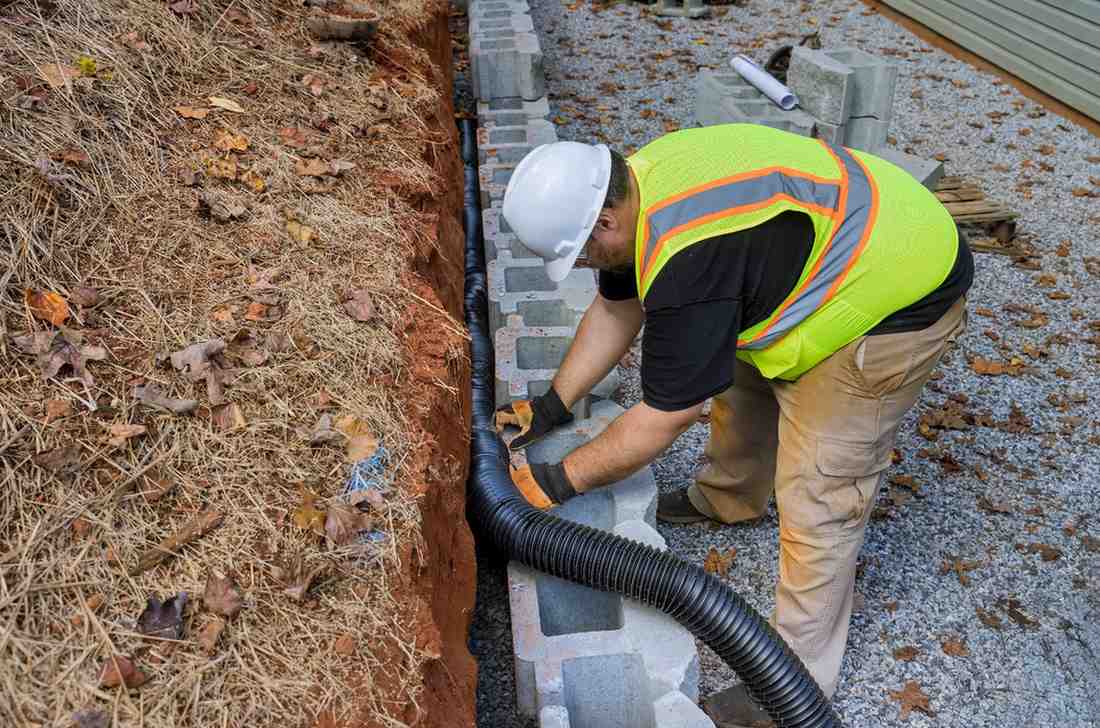
Drainage is one of the most critical elements of any retaining wall project and one of the most commonly underplanned. A wall without adequate drainage will eventually fail — hydrostatic pressure builds over time, and Queensland’s wet seasons accelerate that process.
Pre-construction retaining wall steps for drainage planning should include:
- Gravel or free-draining backfill: directly behind the wall to manage water pressure against the structure
- Weep holes or perforated drainage pipe: at the base of the wall to redirect groundwater away from the footing
- Geotextile fabric: to prevent soil migration into drainage components and extend system lifespan
- Surface drainage channels: to intercept runoff at the top of the wall before it saturates retained fill
- Stormwater connection points: where required by council, particularly for Gold Coast retaining wall projects in flood overlay areas
Drainage design should be confirmed before the wall is specified, not retrofitted after construction begins. The type and size of your drainage system will influence block selection, footing design, and excavation scope — getting it planned early keeps those decisions integrated rather than reactive.
Step 5: Select and Order Your Materials
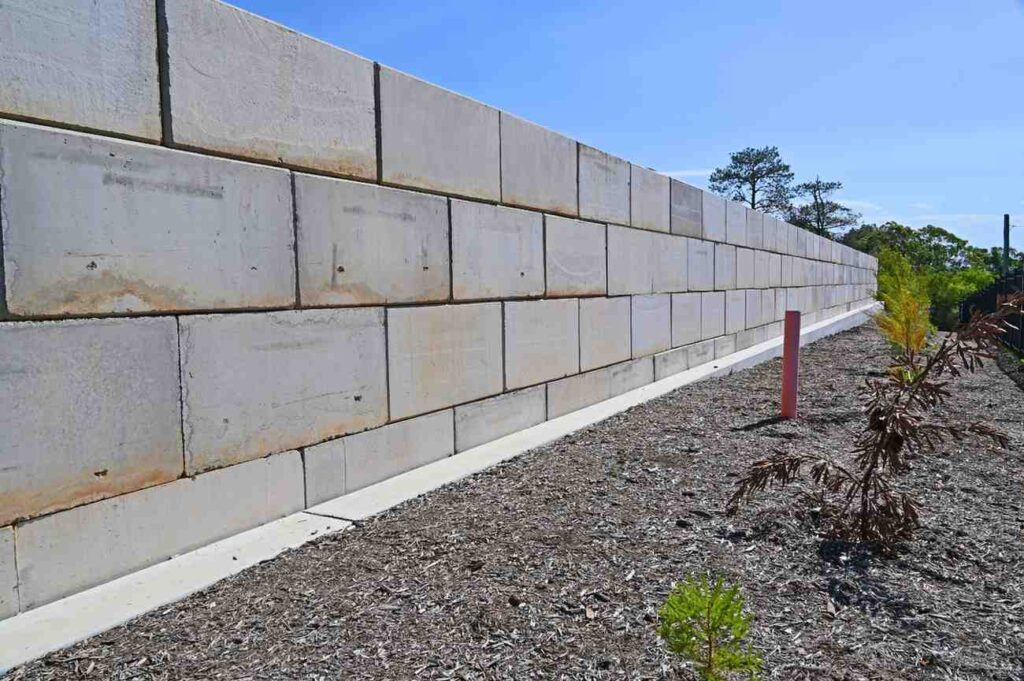
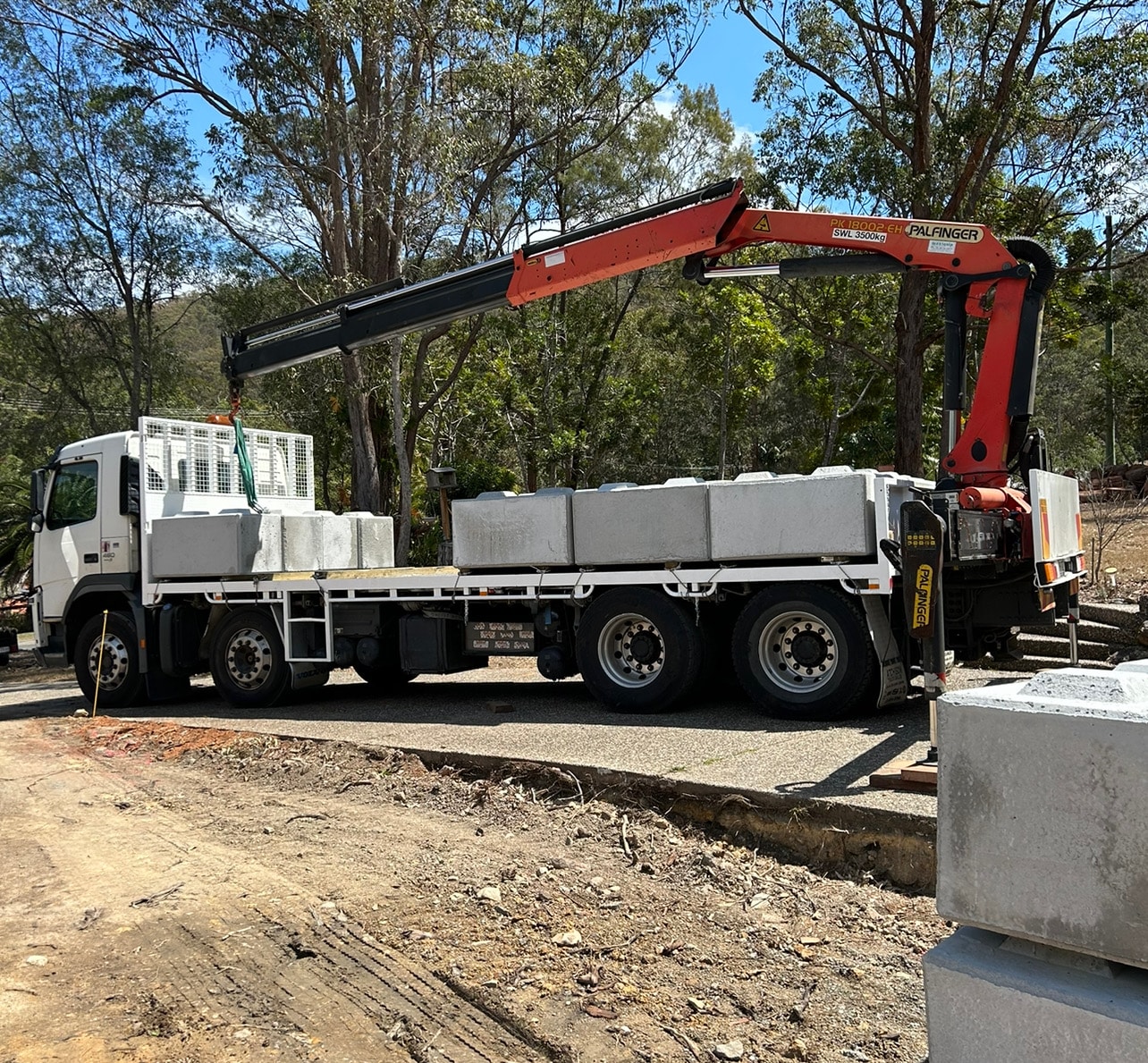
Material selection for a retaining wall in Queensland should be driven by your site assessment findings, the load requirements specified by your engineer, and the drainage system design. For most Gold Coast retaining wall projects, InfraBlock’s precast concrete blocks are the practical first choice, arriving pre-certified to AS 4678, installing quickly without mortar or formwork, and performing reliably in the coastal conditions that define South-East Queensland construction.
The most important material ordering consideration is lead time. Precast concrete blocks are manufactured to order, and supplier schedules tighten in spring when the construction season builds. Ordering your blocks in April or May, once your engineer has confirmed specifications and your approval is progressing, locks in supply before demand peaks and keeps your project timeline intact.
Step 6: Coordinate Your Trades and Schedule
A retaining wall project involves more than one trade, and the sequence matters. Excavation, drainage installation, block placement, and any associated civil works all need to be coordinated so each stage follows the previous one without gaps or rework.
Key scheduling considerations for retaining wall project preparation include:
- Excavation contractor: Confirm availability and site access requirements before committing to a start date
- Engineer and certifier inspections: These have fixed timeframes and need to be scheduled around key construction stages, not booked after the fact
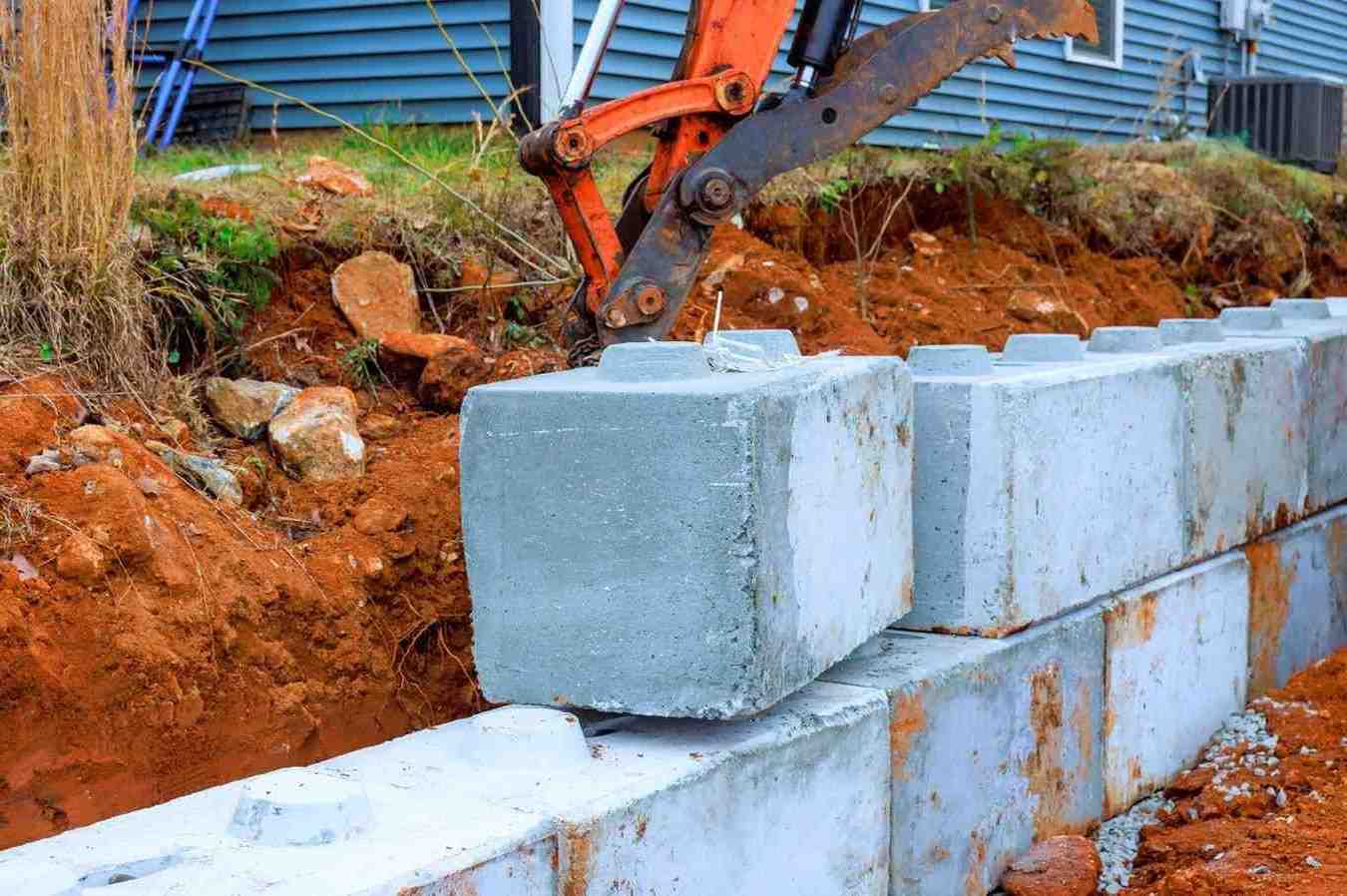
- Block delivery: Coordinate delivery windows with your precast supplier to align with site readiness, particularly for large civil projects where staging is involved
- Drainage contractor or civil crew: Drainage installation typically follows excavation and precedes block placement. Confirm their availability aligns with your programme
- Landscaping or civil finishing works: Schedule these last, with contingency built in for any weather-related delays
The projects that stay on schedule through winter are the ones that are locked in their trades and delivery windows in autumn, before competing projects were doing the same thing.
Frequently Asked Questions
Do I need council approval for a retaining wall on the Gold Coast?
Generally yes, if the wall is one metre or higher. Gold Coast City Council requires building approval at or above this height, along with engineering certification from a qualified structural engineer. Walls under one metre are typically exempt but still need to meet drainage and boundary setback requirements. Council-specific provisions apply on top of state regulations, so engaging a licensed building certifier early is the most reliable way to confirm your approval pathway.
How long does retaining wall approval take in Queensland?
Through Gold Coast City Council, building approval typically takes four to six weeks from a complete application. Private certifiers can often process applications within five to ten business days for straightforward projects. Getting your application lodged in April or May gives you sign-off well ahead of the June and July build window, without your schedule being compressed by approval lead times.
What drainage is needed behind a retaining wall?
The essentials are free-draining gravel backfill directly behind the wall and weep holes or a perforated drainage pipe at the base to redirect groundwater away from the structure. Geotextile fabric is also recommended to prevent soil migration into the drainage layer over time. For Gold Coast projects in flood overlay areas or on sites with significant slope, a hydraulic assessment may also be required to confirm the drainage design meets council requirements.
When should I start planning a retaining wall project before winter on the Gold Coast?
April and May are the ideal months to start. The wet season has cleared, ground conditions have stabilised, and the June to August build window is close enough to make contractor and supplier bookings firm rather than provisional. Starting planning in autumn gives you time to complete site assessment, engage an engineer, progress your approvals, and lock in material orders before the construction season peaks.
Can I build a retaining wall in winter in Queensland?
Yes — and for most Gold Coast projects, winter is one of the best times to build. Queensland’s mild, dry winters offer stable ground, reduced rainfall, and more predictable site conditions than the wet season. Retaining wall construction in autumn and winter benefits from consistent curing conditions, easier site access, and better contractor availability before the spring season builds.
Why Choose InfraBlock for Your Retaining Wall Project
InfraBlock is the Gold Coast’s leading manufacturer and supplier of precast concrete retaining wall blocks, trusted by builders, developers, and civil contractors across South-East Queensland to deliver consistent supply with the lead times and local availability that Gold Coast retaining wall planning depends on. We manufacture our full product range locally, which means shorter delivery windows, direct technical support, and supply reliability that keeps your project preparation on track.
Whether your project calls for Large Interlocking Blocks for civil and commercial scopes or Curvature Retaining Blocks for residential and landscape applications, every product in our precast concrete range leaves our facility certified to AS 4678, with documentation ready for your engineer and council submission. Get your order confirmed this autumn and have your materials locked in well before the Gold Coast winter build season begins.
Plan Early, Build Confidently
The pre-winter planning window moves quickly on the Gold Coast. Builders and developers who work through their retaining wall project preparation now, with approvals, engineering, drainage, and material orders confirmed before June, consistently deliver better outcomes on schedule and without the pressure of compressed timelines. InfraBlock is your local precast concrete manufacturer and supplier on the Gold Coast, ready to support your project from early planning through to delivery.
Request a quote today and get your precast retaining wall block supply locked in ahead of the winter build season. Call 0478 102 201 or email info@infrablock.com.au and let our team help you get ahead.