Queensland’s storm season has a way of finding every weak point in a retaining wall, and the walls that come through it are almost always the ones that were looked after beforehand. Retaining wall storm preparation is far cheaper and far less stressful than dealing with a wall that has already shifted, cracked or given way. A few sensible checks now, before the heavy rain sets in, can be the difference between a wall that holds and one that does not.
Why September Is the Window Before the Rain
September is the quiet before the weather turns, and that makes it the ideal time to act. The wet season builds through spring and peaks over summer, so the walls that will be under the most load in a few months are the ones worth attending to now, while conditions are dry and access is easy.
Seasonal protection works because it gets ahead of the problem rather than reacting to it. Once the ground behind a wall is saturated, water has nowhere to go and pressure builds fast against the structure. Sorting drainage and clearing debris while everything is dry is straightforward; doing it mid-storm is not.
It helps to understand what actually causes a wall to give way, so the effort goes where it counts. For Queensland storm season retaining walls, the pressures are consistent: saturated soil, concentrated runoff and water trapped behind the wall with no clear escape. Preparing for those forces ahead of time is what this guide is about.
What Pre-Season Wall Care Covers
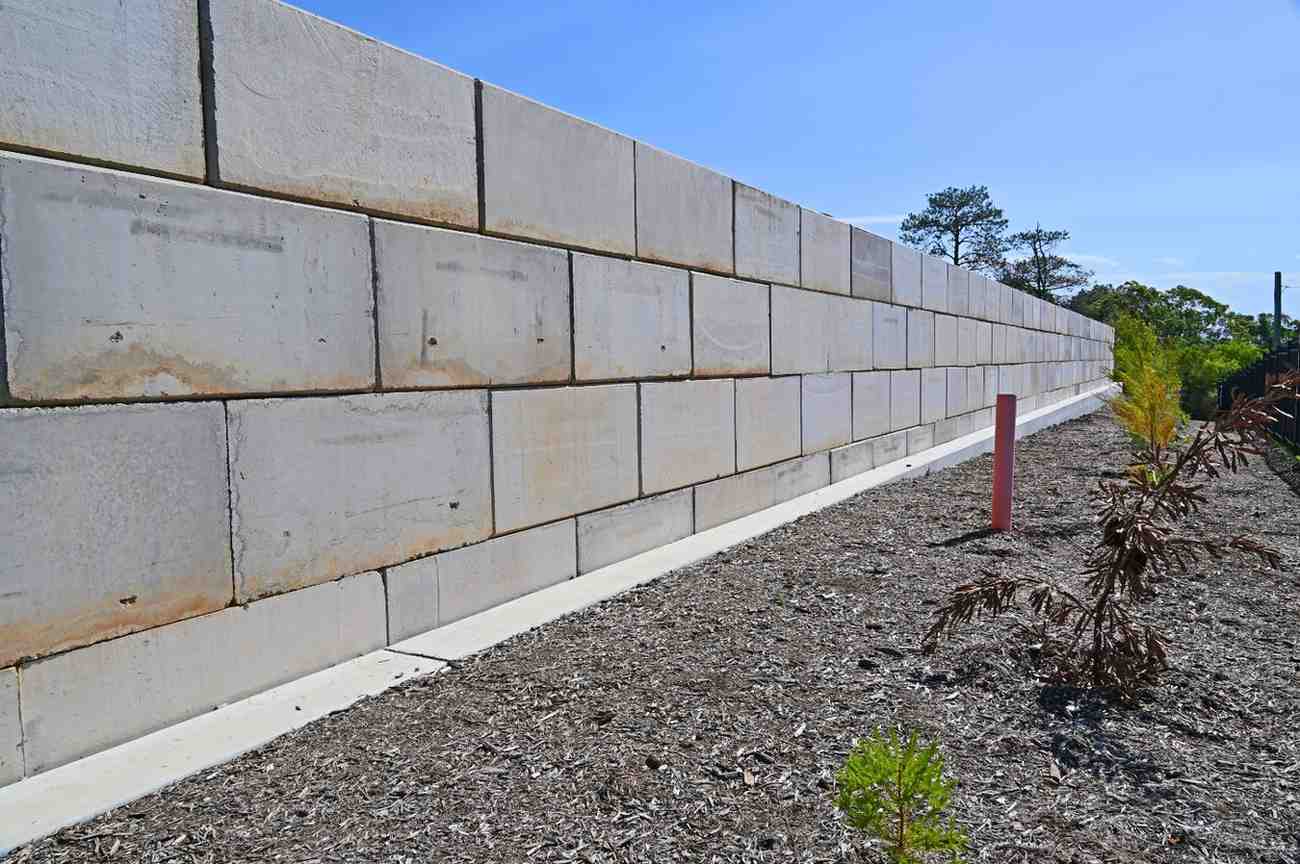
Retaining wall maintenance before the season is less about big jobs and more about making sure the essentials are working. Three things decide whether a wall handles heavy rain: the drainage behind it, the condition of the structure itself, and the state of the ground it is holding back. Get those right and the wall is in good shape for the months ahead.
Drainage does the heavy lifting. Weep holes and outlets need to be clear so water can escape instead of pooling behind the wall, and it is worth knowing what good drainage behind a wall looks like so a blockage is easy to spot. If water is backing up or seeping through the face, that is the first thing to address.
The structure and the ground matter just as much. Look for new cracks, a lean that was not there last year, or blocks that have shifted out of line, and check whether the soil behind the wall has slumped or washed out. None of this needs specialist gear, just a considered walk around the wall on a dry day.
Your Pre-Storm Maintenance Checklist
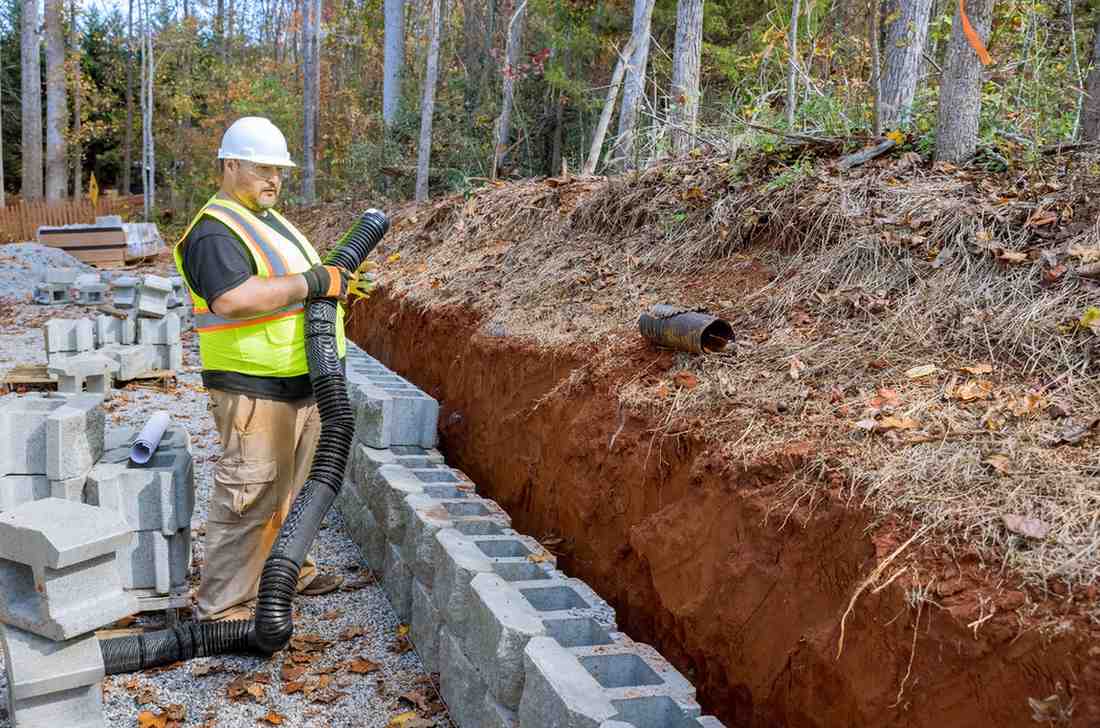
A simple run through before the rain arrives keeps a wall in the best possible position. Work through these in order, and bring in a qualified engineer or contractor for anything that looks structural.
- Clear the drainage: Free up weep holes, outlets and any surface drains so water has a clear path away from the wall
- Redirect surface water: Check that downpipes, channels and the slope of the ground send runoff away from the wall rather than toward it
- Clear the base and face: Remove built-up soil, mulch, leaves and debris sitting against the wall or blocking its drainage points
- Check the ground behind the wall: Look for slumping, washouts or soft spots in the soil the wall is holding, and top up and compact where needed
- Note any movement early: Mark new cracks, bulges or lean so a small change is easy to track before the season loads the wall further
- Bring in a professional for anything structural: If the wall has moved noticeably or you are unsure, arrange for a qualified engineer or contractor to assess it before the rain
It is worth doing every spring, the kind of routine retaining wall maintenance Gold Coast owners can build into their seasonal jobs. If you do spot something concerning along the way, it helps to know the warning signs worth watching for so you can judge how urgent it is.
Prioritising Upkeep Across Multiple Walls
For builders, developers and councils looking after more than one wall, the pre-season question is where to start. Not every wall carries the same risk, so a quick sense of priority makes the available time count for more.
The walls worth attending to first are usually the tallest, the oldest, and the ones carrying real load: walls holding up a driveway, a road, a building pad or an occupied slope above a path. A low garden wall failing is an inconvenience; a loaded wall above a footpath or car park is a different matter. Age and exposure count too, since a wall that has been through several wet seasons has had more time to develop the small issues that storms exploit.
Timing is the other half of it. Contractors book out as the season approaches, so scheduling retaining wall upkeep across a portfolio early avoids a scramble when the first big rain is forecast. Folding these checks into a site or maintenance budget also keeps the work on a plan rather than an emergency, which is nearly always cheaper and less disruptive.
Managing Ground and Surface Water Around the Wall
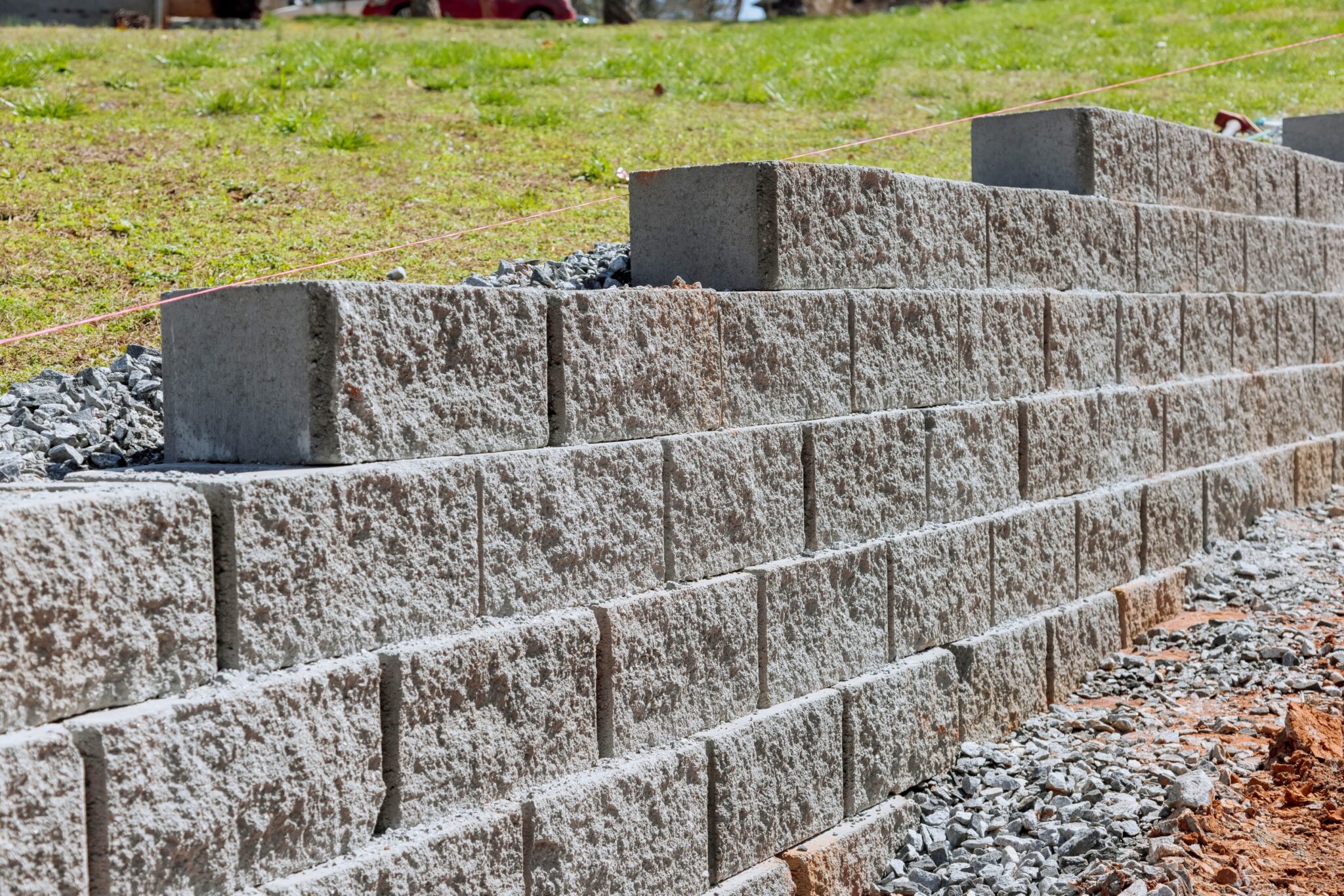
Even a well-built wall struggles if the water around it is working against it. Much of what threatens a wall in a storm is surface water that has been directed, by accident, straight at it. Getting that water moving the right way is one of the simplest ways to protect your retaining wall through the season.
Start above the wall. Downpipes and stormwater outlets should discharge well clear of it, not straight onto the soil it is holding, and the ground on the high side should slope so runoff sheds away rather than pooling behind the structure. At the base, keep the toe of the wall clear so water that does reach it can drain off instead of sitting against the blocks.
Managing the water is one half of the job; the wall itself being built to cope is the other. InfraBlock supplies the block systems Gold Coast builders and property owners choose when they want a wall that takes the wet season in its stride, and it starts with getting the system right from the base up.
What a Durable, Well-Draining Wall Is Built From
A wall that is easy to protect is usually one that was built well to begin with. The systems that hold up best through Queensland wet seasons share a few traits: they shed water rather than trap it, they carry load without relying on the soil staying perfectly dry, and they are made from a material that does not degrade in constant moisture and salt air.
This is where interlocking precast concrete earns its place. Timber sleepers soften and rot in the wet, and poured concrete depends on formwork and a cure that Queensland’s rain can interrupt. Precast blocks arrive already cured and stack into an interlocking system designed to work with drainage rather than against it, which is exactly what a wall needs to come through the season.
A wall built this way is also easier to keep on top of, with drainage designed in and fewer weak points to check each year. For a wall going up or being rebuilt with the season in mind, InfraBlock’s precast concrete blocks give it a durable, well-draining backbone from the first course up.
Frequently Asked Questions
When should I get a retaining wall ready before the wet season? Early spring, before the rains arrive. Sorting drainage and checks while the ground is dry and access is easy is far simpler than reacting once the season is already underway.
Can I check a retaining wall myself? Yes, a careful visual check is something most property owners can do. Look at drainage, the condition of the blocks, and the ground behind the wall, and call in a qualified engineer or contractor if anything looks structural or you are unsure.
Does a precast concrete wall still need looking after before storms? Yes. A precast wall is durable and well-draining, but keeping its weep holes and outlets clear and the water around it directed away still helps it perform at its best when the rain comes.
What makes a wall more likely to cope with heavy rain? Sound drainage, a structure in good condition, and stable ground behind it. A wall that lets water escape and is built from a material suited to constant moisture will handle the season far better than one that traps water.

Why Gold Coast Builders and Owners Choose InfraBlock for Storm-Season Walls
InfraBlock is a Gold Coast manufacturer and supplier of precast concrete retaining wall systems, and we build for exactly the conditions this guide is about. We know what Queensland’s wet season asks of a wall, and we make the blocks that let builders and property owners answer it, engineered to shed water, carry load and stand up to coastal moisture year after year.
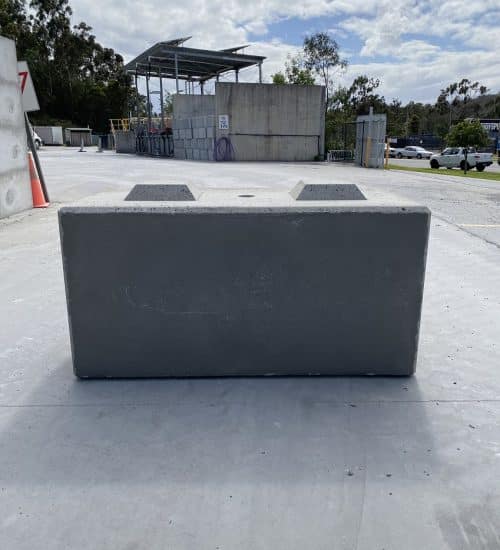
Our Large Interlocking Blocks give walls the structural backbone for tiered residential builds, commercial retaining structures and civil works, stacking into a system that integrates cleanly with drainage. Where the wall face stays on show, our Smooth Large Interlocking Blocks carry the same performance with a finished look. We manufacture every block locally to AS4678, and we would rather help you get the wall right the first time than see it tested by a storm it was not built for.
Get Your Wall Ready Before the Rain Sets In
The walls that come through the season best are the ones prepared before it starts, not patched up after. A dry spring afternoon spent clearing drainage and checking the ground behind the wall is time well spent, and it sets a wall up to handle whatever the season delivers. When it comes to the system that the wall is built from, InfraBlock supplies the precast blocks Gold Coast walls are built to last on.
Talk to the team about the right blocks for your next wall or project. Call 0478 102 201 or email info@infrablock.com.au, and we will help you get the supply sorted well before the first storm rolls in.