Heavy rain rarely breaks a sound retaining wall on looks alone, it breaks it on load. Most retaining wall failure during heavy rain comes down to a handful of water-driven mechanisms working on the soil behind the wall, not bad luck on the day the storm hits. Understand how each one builds, and it becomes clear what separates a wall that holds from one that moves.
How Heavy Rain Becomes a Load on the Wall
A retaining wall spends most of its life quietly holding back soil. What changes for retaining walls during heavy rain is water, arriving in volume and soaking into the ground behind the wall, where it becomes added weight and outward pressure the structure was never designed to carry alone.
That shift is why the same wall can stand through a dry month and move in a wet one. Most of the damage traces back to a few distinct mechanisms, each one made worse by avoidable construction shortcuts taken long before a storm arrives. Knowing why retaining walls fail in heavy rain means taking those mechanisms one at a time, which is what the rest of this guide does.

Hydrostatic Pressure Behind the Wall
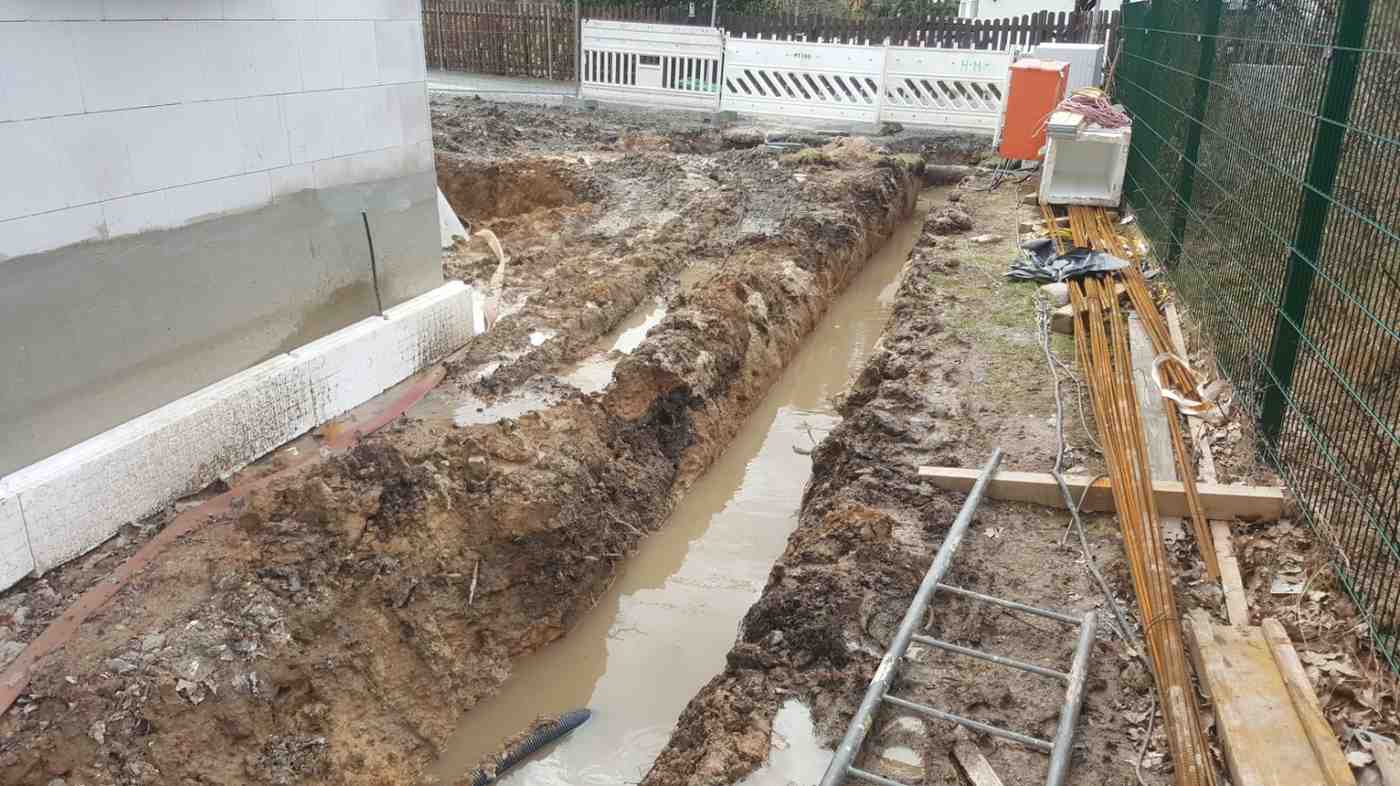
When rain saturates the soil behind a wall and the water has no clear way out, it collects and begins to push. That outward push is hydrostatic pressure, and it rises the longer the ground stays wet. It acts on top of the load the wall already carries from the weight of the soil itself.
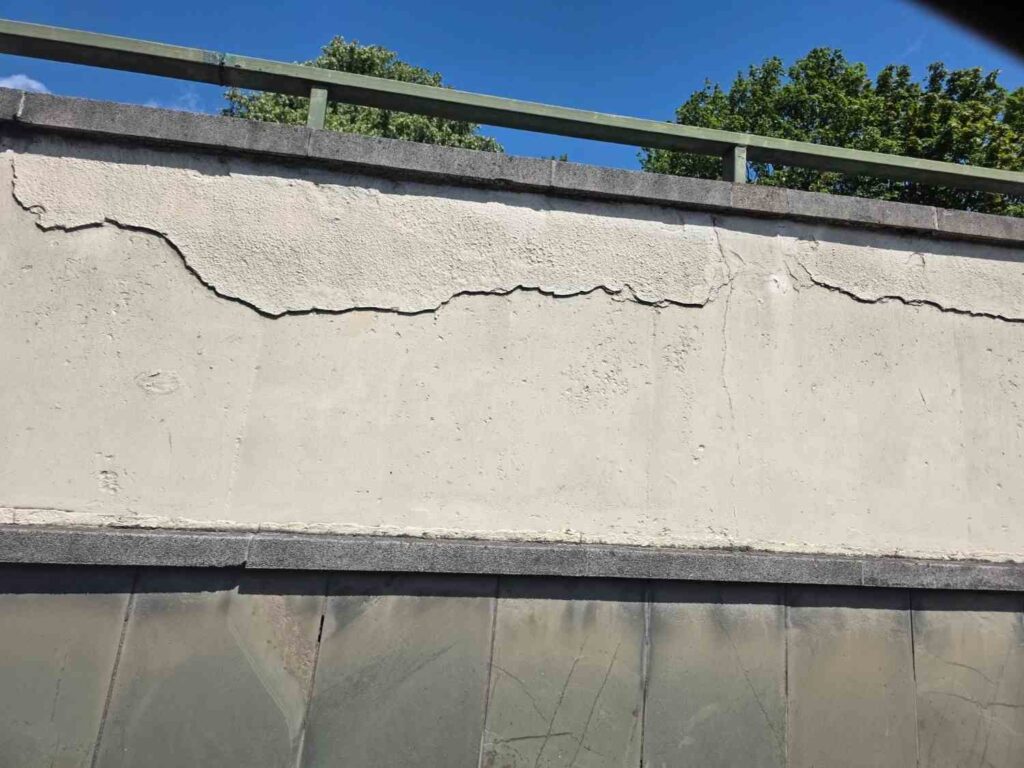
Once that combined force passes what the wall was built to resist, the wall starts to show it. Horizontal cracking near the base is often the first sign, followed by a forward lean, then wider movement as the pressure holds. Unrelieved water pressure is the single most common reason these walls give way in a Gold Coast downpour.
When Drainage Is Blocked or Missing
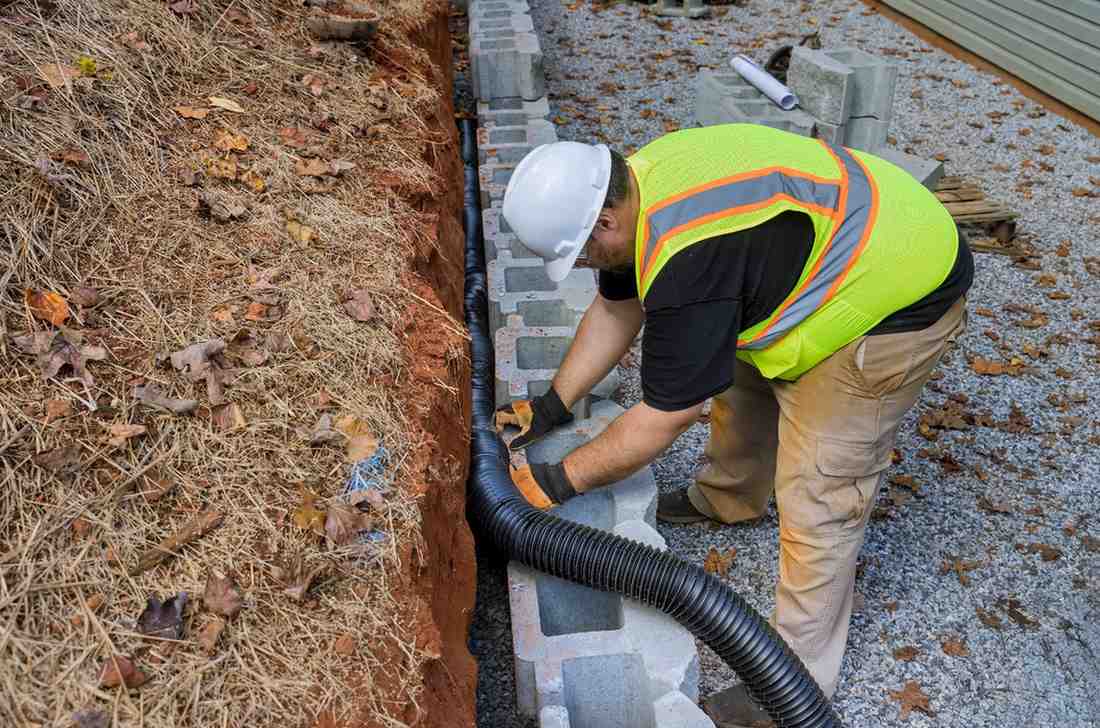
Hydrostatic pressure only builds because the water has nowhere to go. A wall with a free-draining path behind it sheds water downward and out before pressure has a chance to climb. Blocked weep holes, a missing or crushed ag pipe, or fine backfill that clogs over time all take that path away and let the load build unseen.
This matters most on precast concrete walls, which are not designed to drain through the wall face, so every drop has to exit through the backfill and weep holes rather than the face itself. Getting retaining wall drainage right is a design discipline of its own, and what a properly specified drainage system has to include runs deeper than any single section can cover here. When that path is sound, the pressure described above never reaches a damaging level.
Saturated Backfill and the Soil That Pushes Harder
The soil behind a wall is not a fixed load. When it saturates, it changes character: it grows heavier, and it loses the internal friction that lets it hold its own shape. Clay-heavy soils common across the Gold Coast are the worst for this, swelling as they take on water and pressing harder against whatever is holding them back.
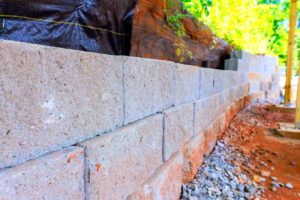
So the backfill leans more of its weight on the wall at the very moment the drainage path is under the most strain. Walls failing during heavy rain often have perfectly sound blocks and a mass of saturated ground behind them doing more than the original design allowed for. A wall built with consistent, engineered units from a supplier like InfraBlock gives the engineer a predictable structure to design that backfill and drainage around.
Undermined Footings: Loss of Bearing, Erosion and Scour
Everything above depends on what sits beneath the wall. The footing carries the combined load of blocks, soil and water, and heavy rain works against it in two ways at once.
- Loss of bearing: saturated founding soil beneath the footing softens and loses the strength to carry the load above, so the wall settles unevenly or rotates forward
- Erosion and scour: water running across or around the base washes out supporting material at the toe, leaving sections of the footing with nothing underneath them
Both leave a wall whose blocks are intact but whose support has quietly gone, which is one way a slow retaining wall failure begins out of sight. These base problems tend to surface gradually, and the warning signs worth watching for before the rain sets in are usually visible well before anything gives way.
What a Well-Drained, Properly Engineered Wall Does Differently
A well-drained, properly engineered wall doesn’t avoid heavy rain, it manages it. A sound drainage path keeps hydrostatic pressure from building, the engineer’s design accounts for the heavier loads saturated soil can impose, and the footing is set deep and protected enough to hold when the ground around it is working hardest. Each mechanism above has a matching answer in a wall designed for the water, not only the soil.
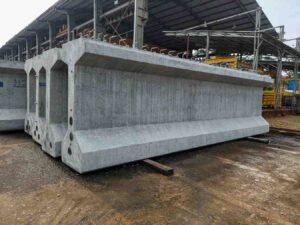
Material consistency is part of that picture. Precast blocks made to uniform tolerances give the engineer a predictable unit to design the wall and its drainage around, and reach the builder ready to place to the approved design, with the design and sign-off staying where they belong. InfraBlock’s precast concrete blocks are consistent, high-quality units suited to retaining wall systems engineered in accordance with AS 4678, giving a well-drained wall a dependable foundation to build from.
Frequently Asked Questions
Why does water build up behind a retaining wall? Water builds up when the ground behind the wall takes on more rain than it can shed. Without a clear path out through gravel backfill, weep holes and an ag pipe, that water collects and presses against the back of the wall.
Does saturated soil really add that much load to a wall? Yes. Saturated soil is heavier than dry soil and loses the internal friction that helps it hold its shape, so it leans more of its weight against the wall, and clay soils across South-East Queensland swell on top of that.
Can a wall survive a heavy downpour without a drainage path? Rarely for long. A working drainage path is what relieves the pressure a downpour creates, so a wall without one carries loads it was never meant to, which is why engineered walls treat water management as essential rather than optional.
What makes an engineered wall hold up better in the wet? An engineered wall is designed for the loads that saturated ground and trapped water actually impose, with drainage, footing depth and block strength specified for the site. That planning is the difference between a wall that manages heavy rain and one that is caught out by it.
Why Gold Coast Builders Choose InfraBlock for Rain-Ready Retaining Walls
InfraBlock is the Gold Coast’s leading manufacturer and supplier of precast concrete blocks for retaining walls built to stand up to the region’s heavy rainfall and saturated ground. We work with the builders, developers and civil contractors whose walls have to perform through a South-East Queensland wet season, supplying the engineered units their designs are built on.
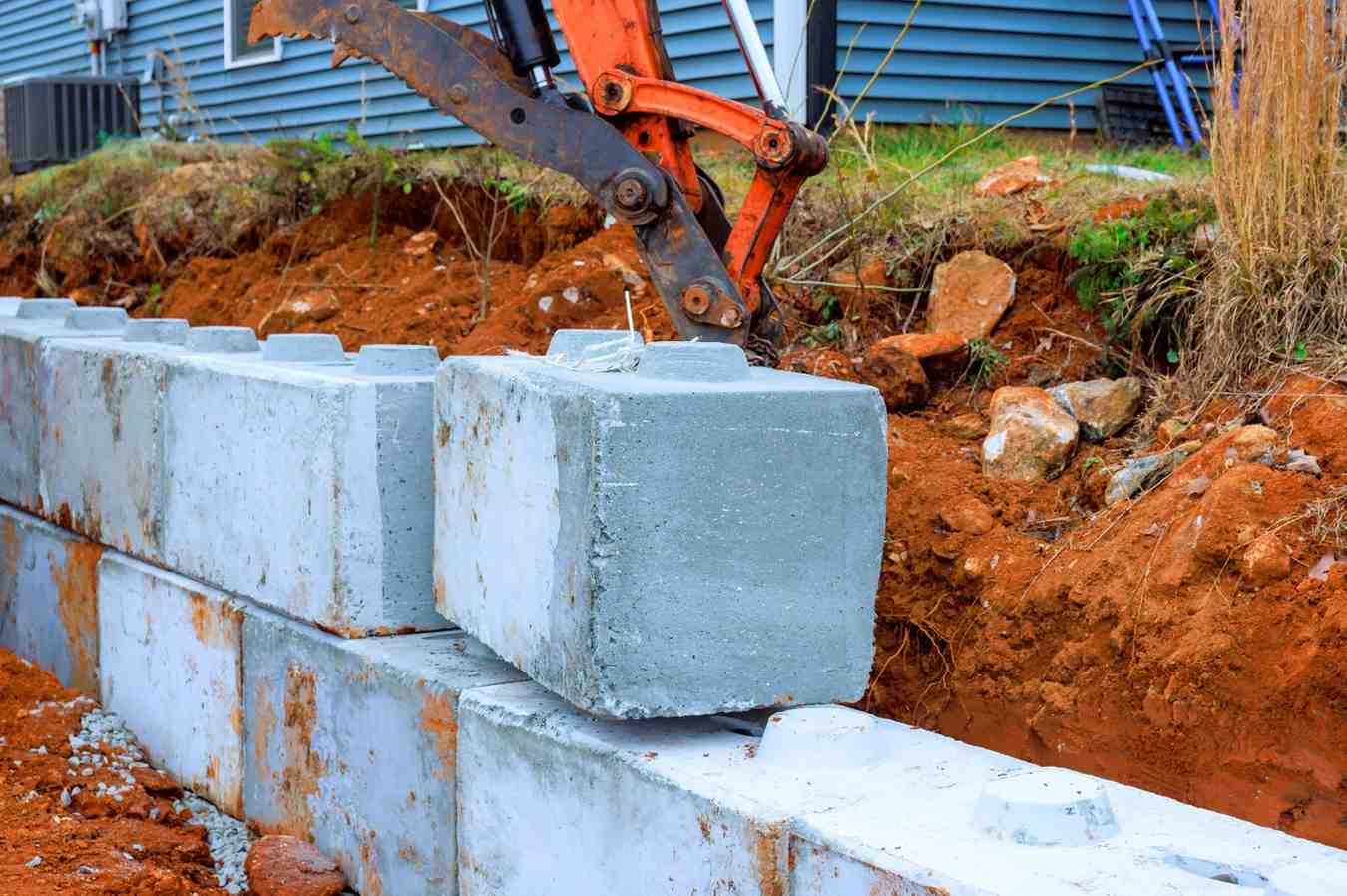
Our Large Interlocking Blocks deliver the mass and rigidity heavier retaining applications call for, while our Smooth Large Interlocking Blocks pair the same structural performance with a clean finished face. Both are consistent, high-quality blocks suited to retaining wall systems engineered in accordance with AS 4678, held to tolerances your engineer can design the wall’s drainage around. We see our job as giving the people who plan and build these walls a block they can rely on, wet season after wet season.
Build for the Wet Season, Not Just the Dry
A wall that holds through heavy rain is one that was planned for it from the ground up, with the right blocks, the right drainage and an engineer’s design behind it. InfraBlock is the Gold Coast precast supplier builders turn to for the block side of that equation, dependable units and the documentation that keeps engineered, well-drained walls on solid footing.
Speak to our team about the precast blocks your next retaining wall project needs. Call 0478 102 201 or email info@infrablock.com.au, and we’ll help you get the right products specified before the wet season sets in.