The summer rains arrive on their own schedule, and the sites that keep moving through them are the ones that were ready before the first downpour. Good wet season site preparation is what separates a programme that holds from one that stalls the moment the ground turns. Start it in the October lead-in and the wet becomes something you work through rather than wait out.
Why October Is the Window to Get Ready
October is the quiet before the summer wet sets in across the Gold Coast, and it is the cheapest time to get a site ready. Dry ground is easier to shape, drainage is easier to lay, and access is easier to protect while the weather is still on your side.
Leave it until the rain is already falling and every one of those jobs gets harder and slower. Preparing sites for rain is proactive work, not a response once water is pooling in the excavations and trades are standing down.
There is a difference between getting ahead of the season and clawing a project back after it floods. If the rain has already stalled a building and the ground is saturated, recovering a waterlogged site is a different job with a different order of operations. This guide is about the work that keeps you out of that position.
Getting Water Off and Away From the Site
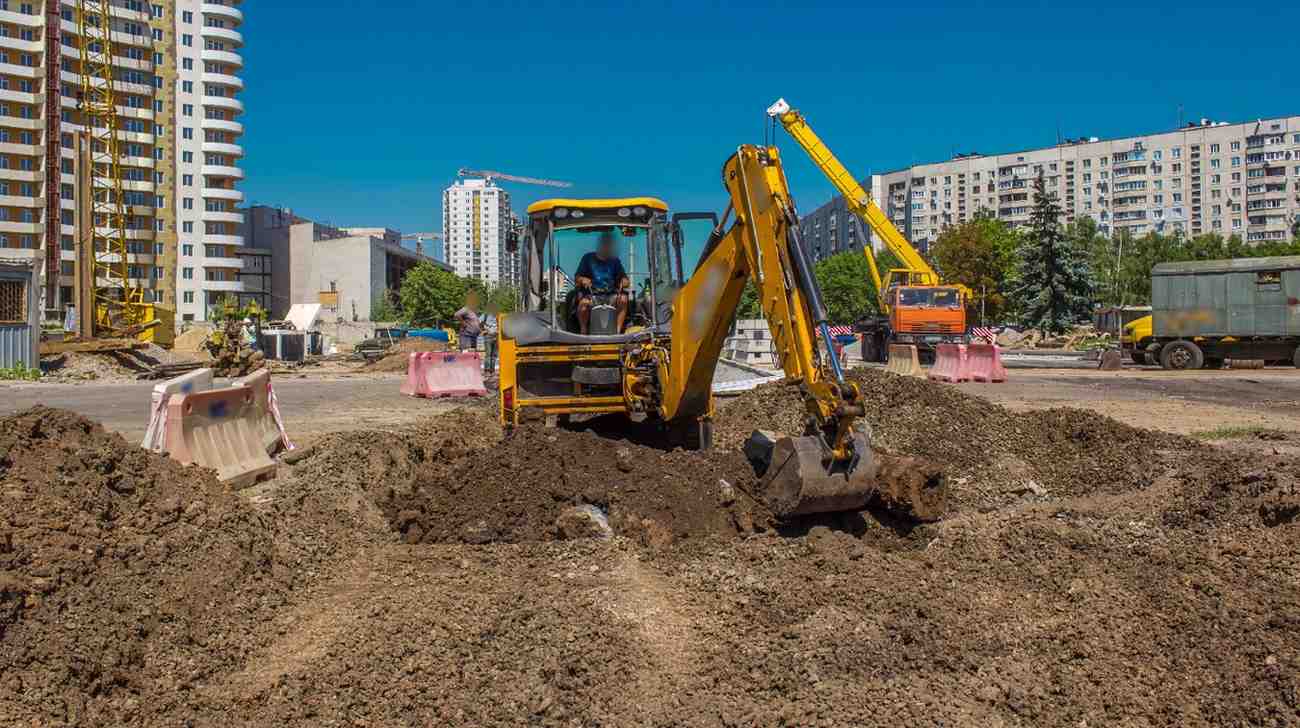
The first job of wet season construction readiness is deciding where the water will go before it arrives. A disturbed site has lost its natural drainage paths, so rain that would once have run off now collects in the low points left by cut-and-fill.
Set up temporary drainage early. Cut-off drains, upslope of open excavations, diversion channels that steer runoff around disturbed ground, and clear falls toward a controlled discharge point all do more work when they are in place before the first heavy fall, not dug in a hurry during it.
Low points deserve particular attention, since they are where a workable site turns into a bog fastest. Mapping them now and planning how each one drains keeps surface water moving instead of sitting. Where a site needs a fuller drainage system behind its retaining walls, that design is worth locking in before the season rather than after.
Stabilising and Protecting Exposed Ground
Exposed ground is the most weather-sensitive part of any site, and keeping it workable through the wet starts with limiting how much of it is open at once. Staging the works so only the ground you are actively building on is exposed means less surface for the rain to soften.
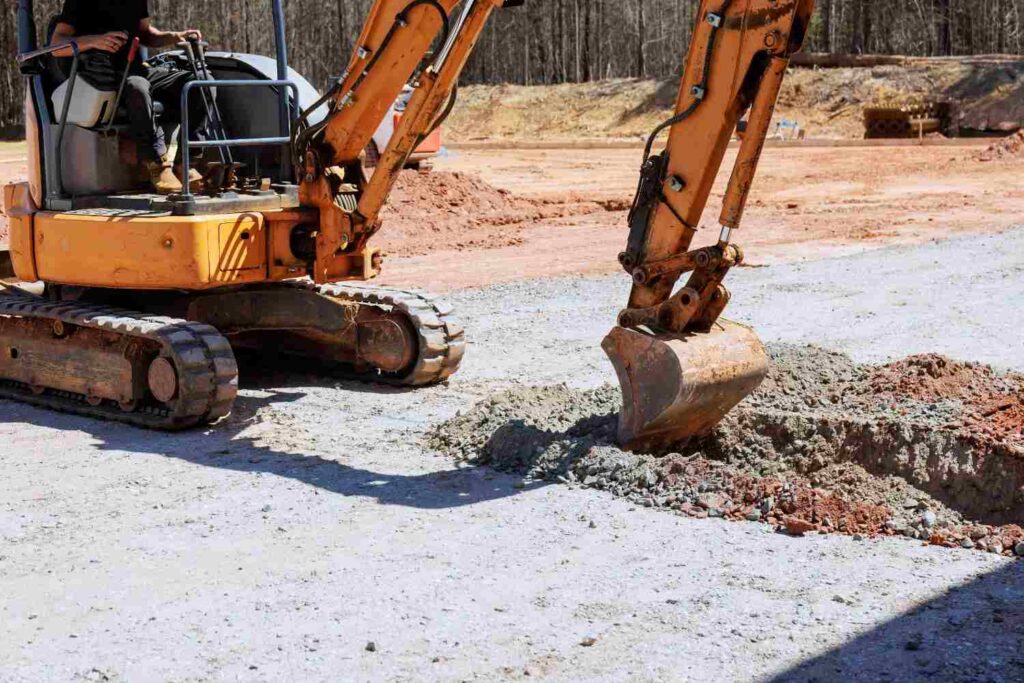
Where ground is already open, protection buys you time. Covering cut faces and batters with sheeting slows direct saturation, and a crushed-rock working platform over soft subgrade keeps plant moving when the surface would otherwise churn.
Firming up weak or reactive ground so it carries load is a job in its own right, and the deeper work of site stabilisation on the Gold Coast sits with your geotechnical engineer and earthworks crew. Getting that work done before the wet arrives, while the ground is still dry enough to shape, means the platform underneath is known rather than guessed at once the rain sets in.
Protecting Works, Materials and Access
A site is more than its ground, and construction site preparation in Queensland has to account for everything the rain can reach. Partially built works, stored materials and the routes the plant travels on all need a plan before the season turns.
Three areas are worth protecting before the first fall:
- Access and haul routes: road base or temporary matting on the routes that matter keeps the site trafficable, since entries and haul roads churn into mud once water and traffic combine
- Stored materials: covering and raising stockpiles that would otherwise wash or contaminate protects the materials you are about to rely on
- Partially built works: structures left open to weather cost time and money to put right, so securing them and keeping perimeter and erosion controls in good order holds the ground you have already made
Protecting those routes early is cheaper than rebuilding them mid-season, and the same logic runs across the whole site: a small job now is a large one once the rain is in.

Keeping the Programme Moving Through the Wet
The point of all this preparation is a programme that keeps turning when the weather closes in. A site set up to shed water and protect its works does not stop dead every time it rains, which is what protects the schedule across a long summer.
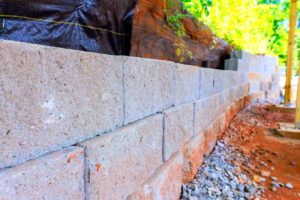
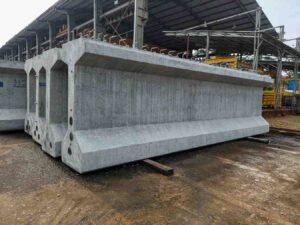
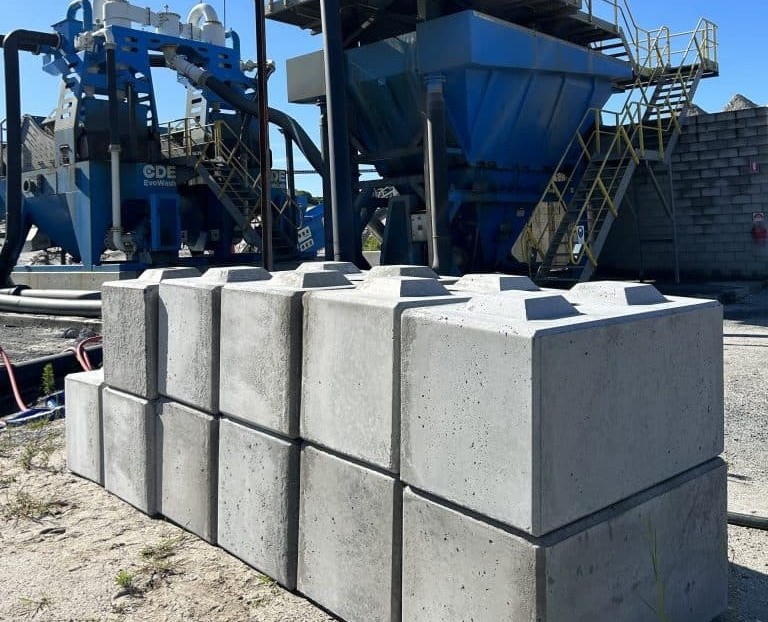
Material choices feed into that too. Precast concrete blocks arrive cured and ready to place, with no formwork to build and no pour waiting on dry weather to cure, so retaining work can go in during a break in the rain rather than holding up the critical path. Blocks that are ready the moment an area is accessible keep the wall off the list of things the weather can delay.
Lining supply up early is part of the same thinking. When the blocks are made to order and manufactured on the Gold Coast, InfraBlock keeps that supply close and predictable, so a wet week does not become a wait on materials as well.
Building the Wet Season Into Your Pre-Season Plan
A pre-season plan turns all of this from good intentions into a sequence you can actually work through. Running the preparation in order means nothing critical is missed in the rush as the forecast tightens.
A workable sequence looks like this:
- Assess the site: walk it now and note the low points, the exposed faces, the access routes and the works most exposed to weather
- Plan the drainage: decide where water will go, and set out the cut-off drains, diversions and discharge points before the first fall
- Stage the works: sequence the build so the least ground is open at any one time through the wettest months
- Protect ground and access: cover exposed faces, lay working platforms, and firm up haul routes before they are tested
- Secure works and materials: cover stockpiles, protect partially built structures, and check perimeter controls
- Line up supply: confirm materials and precast block supply early so a wet week never stalls on stock
Worked through ahead of the season, that plan is what keeps a site productive through the summer instead of surrendering weeks to the weather. InfraBlock’s precast concrete blocks are made locally and ready to place, so the supply end of your plan stays as dependable as the rest of it.

Frequently Asked Questions
When should a Gold Coast site start preparing for the summer rains?
As early as you can, with October a sensible marker before the summer rains build. Dry ground and clear weather make every preparation job quicker and cheaper than the same work attempted once the rain has started, so the earlier the plan is in place, the less it costs to execute.
Can precast retaining walls be installed during the wet season?
Yes. Precast interlocking blocks need no formwork and no curing before they take load, so they can be placed during a dry break rather than waiting on an extended dry spell. Ground bearing still has to be assessed first, and permanent works may need a geotechnical check before placement.
What is the most important part of preparing a site for heavy rain?
Drainage usually matters most, because water that has nowhere to go is what turns a workable site into a stalled one. Deciding where surface water will travel, and setting up the drains and diversions to carry it there, does more to protect a programme than almost anything else.
Who is responsible for site preparation and ground works?
The builder, civil contractor and geotechnical engineer plan and carry out the site works, with the engineer specifying how the ground is prepared and what any retaining design needs to be. Suppliers provide the materials those works are built from, ready for the crew to place.
Why Gold Coast Builders Choose InfraBlock for Wet Season Readiness
InfraBlock is the Gold Coast’s local manufacturer and supplier of precast concrete blocks for builders, developers and civil contractors getting their sites ready for the summer wet season. We produce our full range here in South-East Queensland, which means short lead times, certified product, and supply you can plan a season around rather than chase once it turns.
For structural and civil work, our Large Interlocking Blocks carry the mass and load capacity that heavier retaining jobs demand, while our Smooth Large Interlocking Blocks offer the same performance with a cleaner finished face where appearance matters. Every block is manufactured to meet the requirements of AS 4678, with product documentation and technical data on hand for your engineer and your council submission. We would rather be the supplier whose blocks were on site and ready than the one you called once the rain had already set in.
Get Your Site Ready Before the Rains Arrive
The work that keeps a site moving through summer is the work done before the first downpour, while the ground is dry and the schedule is still yours. InfraBlock is your local precast concrete supplier on the Gold Coast, ready to back your pre-season plan with reliable block supply from planning through to delivery.
Request a quote or talk through your site with our team today. Call 0478 102 201 or email info@infrablock.com.au, and we will help you get your blocks locked in before the wet season arrives.