Every Gold Coast build eventually reaches the same fork: does the wall need to stand for a season, or for decades? Choosing between temporary vs permanent retaining walls shapes your budget, your programme and your compliance path long before the first block is placed. Get that call right early and the rest of the work falls into place behind it.
Why the Choice Comes Down to the Job, Not the Wall
Neither wall is the better one in the abstract. A temporary structure and a permanent one solve different problems, and the right answer depends entirely on what your site is being asked to do. The question is not which wall is stronger or cheaper, but which one matches the job in front of you.
That match rests on a few practical drivers: how long the wall is needed, whether the change in ground level is permanent, the load and height involved, the design life the structure has to reach, and what happens to the wall once the works are done. Weigh those honestly and the decision usually makes itself. Whichever way it lands, InfraBlock manufactures and supplies a precast block range suited to both temporary and permanent applications, giving Gold Coast builders one reliable local source to work with.
When a Temporary Wall Makes Sense
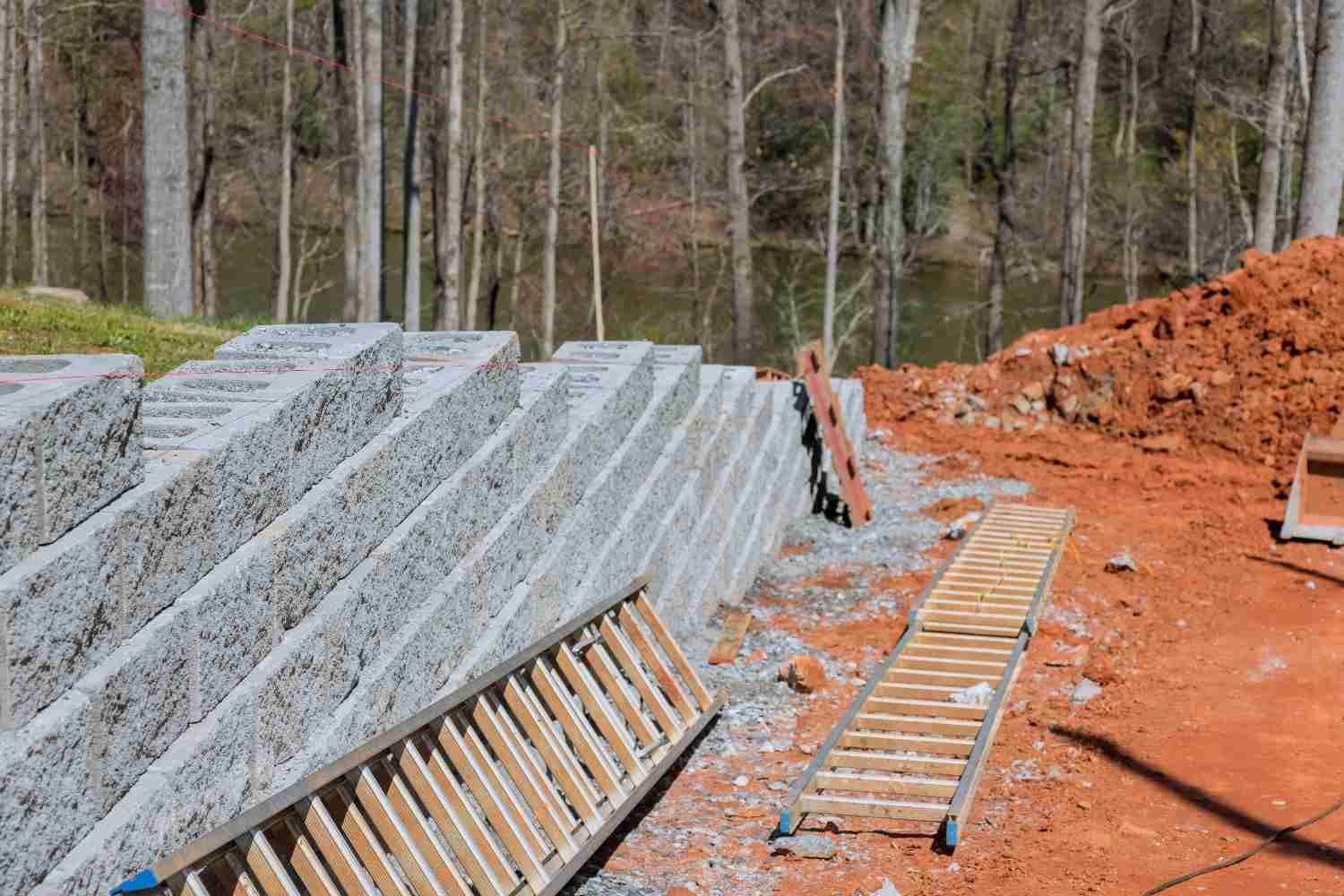
Some walls are only ever meant to stand for a stage of the works. If you are holding back a cut face while services go in, sequencing earthworks across a staged site, or protecting an excavation that will later be backfilled, a temporary retaining wall is doing exactly the job it was built for.
The value here is flexibility. A temporary wall can be lifted and repositioned as the site plan changes, then stood down and recovered once the phase is finished. That suits staged Gold Coast and Queensland projects where the ground plan moves faster than the build, much as it does for temporary structures across civil and infrastructure works.
When a Permanent Retaining Wall Is the Right Choice
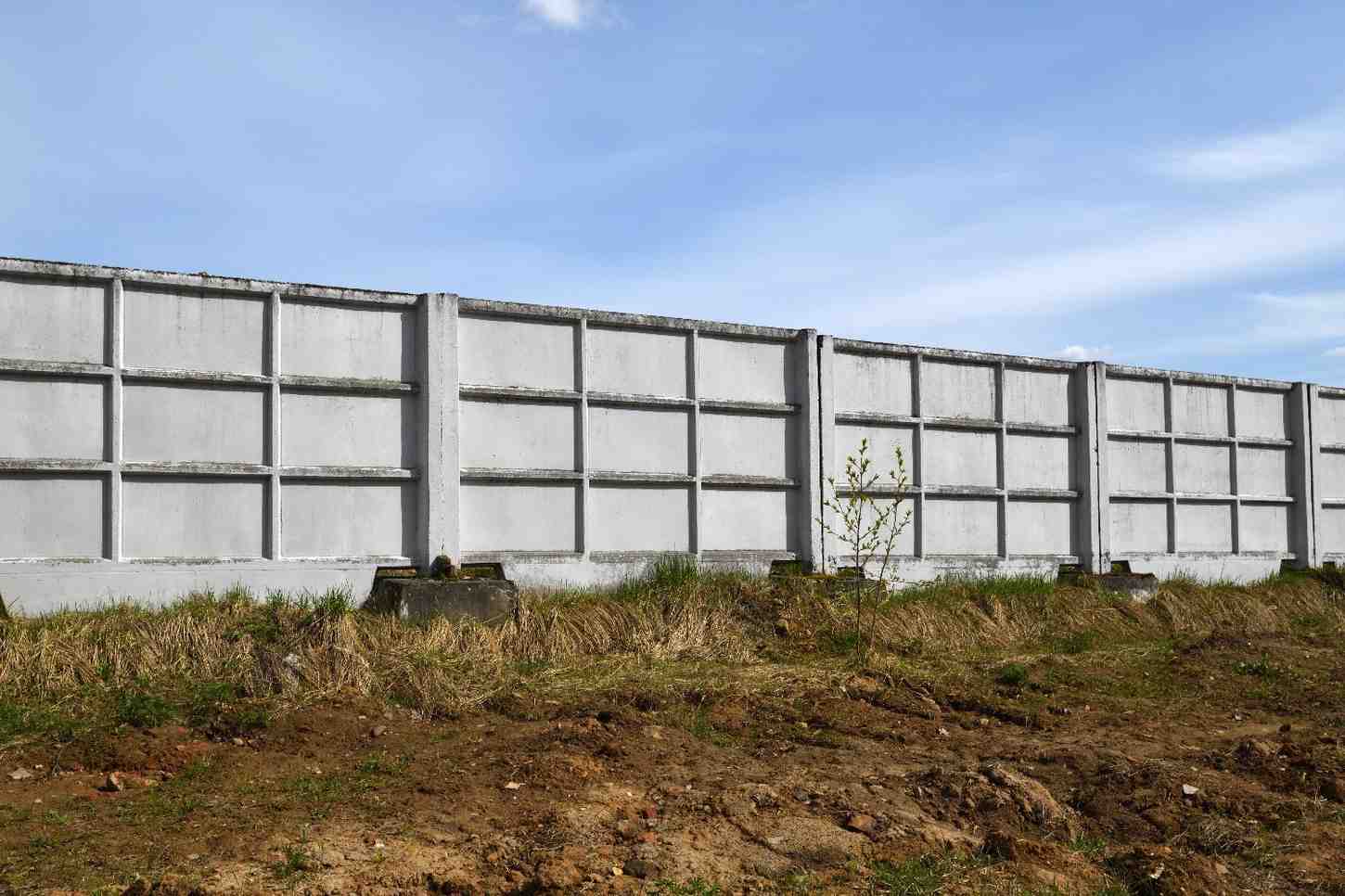
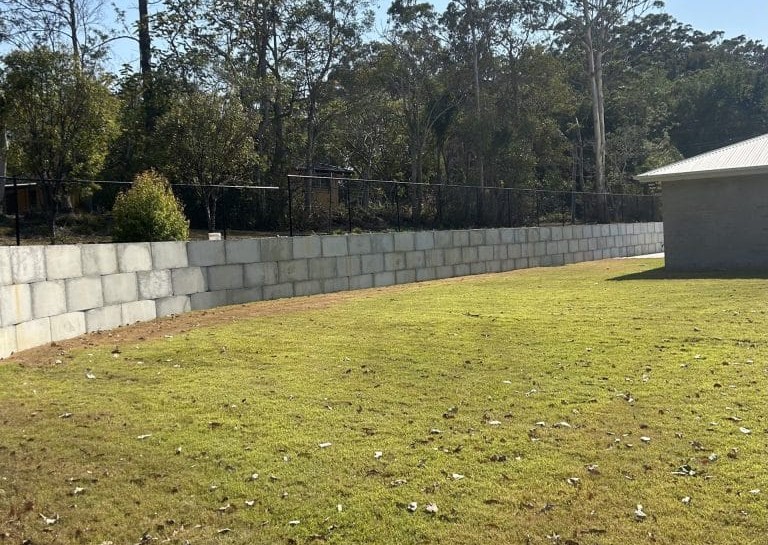
Other walls are part of the finished site for good. A permanent wall holds a lasting change in ground level, carries structural load, and has to meet a design life measured in decades rather than months. Once it is part of the permanent works, the demands on it step up.
That means more rides on getting the design and materials right the first time. A permanent structure has to withstand Queensland’s wet seasons, coastal humidity and ground movement without losing integrity, which is where engineered precast blocks and a documented compliance path earn their place. Your engineer specifies the wall for its actual load, height and drainage, as they would for any permanent civil and infrastructure structure.
Temporary vs Permanent at a Glance
Here is how the two solutions compare across the decisions that actually drive the choice:
| Consideration | Temporary | Permanent |
| How long it is needed | For a defined stage of the works, then removed | For the life of the finished site |
| Nature of the ground change | Reverses once the phase is complete | A lasting change in level that stays put |
| Load and height | Typically lighter, shorter-term retention | Sized for sustained structural load, often greater height |
| Design life | Only as long as the stage requires | Measured in decades, engineer-specified |
| End of works | Lifted, recovered and repositioned or returned | Stays in place as part of the works |
| Whole-of-life cost | Lower upfront where the need is genuinely short-term | More invested once, but no rebuild when the change was always going to last |
| Compliance | Still engineer-checked for the loads it carries | Full engineering and certification against AS4678 |
Read down the columns and the point becomes clear: neither wall wins outright, and the right one is simply the column that matches what your project needs. Working out which that is comes down to a few straightforward questions.
How to Decide Which Solution Your Project Needs
Working through the decision in order keeps it simple. Answer these with your engineer or builder, and the right solution tends to reveal itself:
- How long is the wall needed, and is the change in ground level permanent? If the change stays, so should the wall.
- What load and height is it carrying? Heavier retained loads and greater heights point toward a permanent structure.
- What design life does it have to meet? A structure expected to stand for decades is a permanent job, not a staged one.
- Does the wall need to come out again? If it does, a temporary solution that can be recovered saves you from dismantling a permanent structure later.
- What does it cost across the whole of the works, not just day one? A cheap temporary wall is no saving if the change was always going to be permanent.
- What compliance does the design have to satisfy? Your engineer certifies the wall against its loads and against AS4678, whichever solution you choose.
Work through those and you are choosing the right retaining wall for the project rather than the one that looked cheapest on day one. Whatever you settle on, InfraBlock’s precast concrete blocks suit both temporary and permanent applications, so supply is one less variable to weigh.
The Cost of Choosing the Wrong Wall
The expensive mistakes are rarely about picking the ‘worse’ wall. They come from picking the wrong one for the situation: a temporary wall stood up to save money on a change that was always going to be permanent, or a heavily engineered permanent structure built for a need that only ever lasted a stage.
The first ends in a rebuild once the short-term wall cannot carry the long-term job. The second ties up budget and programme in a structure the site never needed. Both are avoidable by being honest about design life and load at the outset, and by holding the wall to the standard a permanent structure has to meet before you commit to it.
Frequently Asked Questions
Who decides whether my project needs a temporary or permanent wall? Your structural engineer or builder makes the call, based on how long the wall is needed, the load and height it carries, and the design life it has to reach. The right choice follows the job, not the material.
Can the same precast blocks be used for both? Yes. A precast block range can be specified for a wall that comes out again or one that stays for good, with your engineer setting the design for the loads involved. The block suits the application either way.
Does a short-term wall still need engineering sign-off? It can. Even a wall meant for a single stage still has to carry its loads safely, so an engineer checks it for the job it is doing. Height, load and duration determine how far that goes.
Why Builders Choose InfraBlock, Whichever Wall the Job Needs
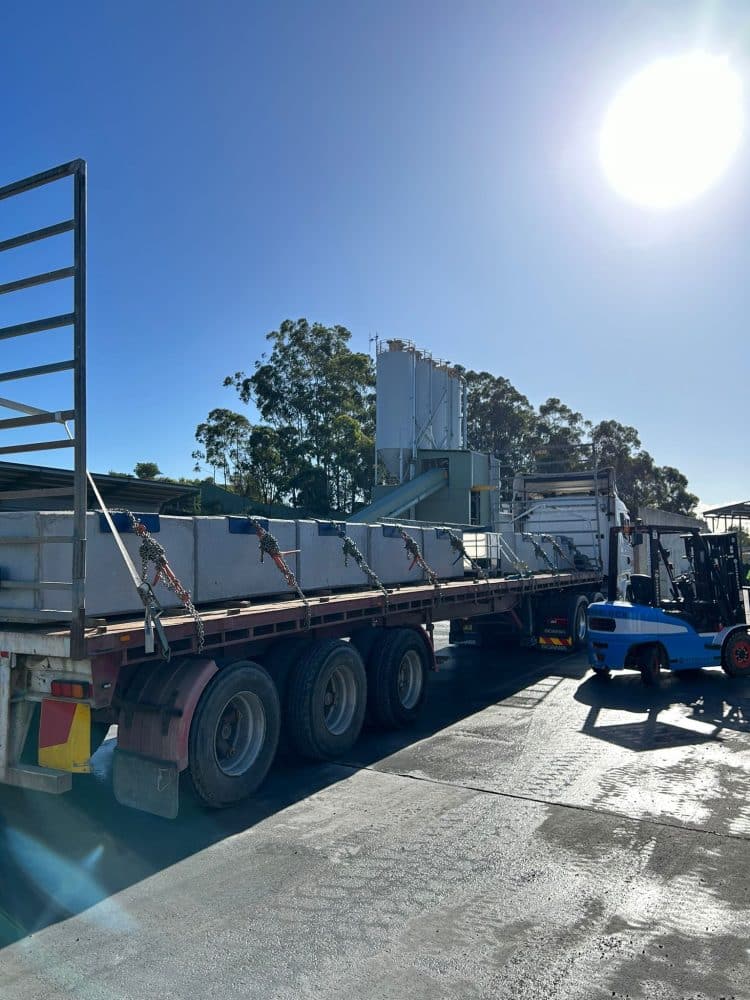
InfraBlock is a Gold Coast manufacturer and supplier of precast concrete blocks built to hold the ground on both temporary and permanent works. We make and supply the blocks, your engineer specifies the wall, and the certification arrives documented to AS4678 so the compliance path stays clear. For Gold Coast builders, that means dependable local supply ready to match whatever the design calls for.
Our Large Interlocking Blocks give you the load capacity and fast, formwork-free stacking that permanent civil and commercial retaining structures rely on, and they lift and reposition cleanly when the job is a staged, temporary one. Where the face stays on show, our Smooth Large Interlocking Blocks bring the same structural performance with a clean finished surface. We keep both ranges manufactured to AS4678 and available locally, so both are on hand when your programme calls for them.
Get the Right Wall Specified and Supplied Before You Break Ground
Deciding between a temporary and a permanent wall is worth doing early, with the loads, the design life and the whole-of-life cost weighed honestly against the job. Once the direction is set, InfraBlock is the Gold Coast supplier that can put the right precast blocks behind either choice.
Talk to the team about your project and we will match the right precast blocks to your design and programme. Call 0478 102 201 or email info@infrablock.com.au and we will have your supply confirmed and ready for the site.