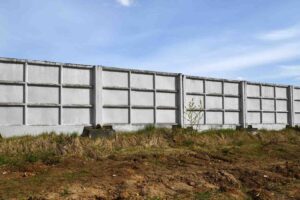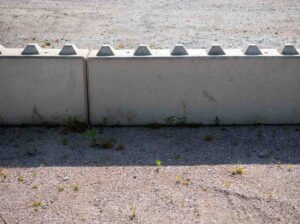
The retaining wall that should have gone up in June is still sitting on a purchase order in August, and the rest of the building is banked up behind it. It’s one of the most avoidable hold-ups on a winter project, and it almost always traces back to a single decision made weeks earlier: when the order went in. Supply timing is the variable builders underestimate most, and on a Gold Coast winter build it’s the one that quietly decides whether the program holds. With winter approaching, late autumn is the window where that decision actually gets made.
Why Supply Timing Matters More for Winter Builds
Winter is the window Gold Coast builders wait for. Drier ground, firmer site access and cooler working conditions make the cooler months ideal for retaining wall construction, which is exactly why supply pressure peaks in the same window. When every builder in South-East Queensland is chasing the same favourable conditions, the demand on suppliers climbs, and the projects that move smoothly are the ones that are locked in their materials early.
That demand pressure is where precast concrete supply Gold Coast builders can rely on becomes a genuine scheduling advantage rather than a line item. Ordering from a manufacturer who produces locally means your blocks aren’t competing for space on an interstate freight run or sitting in a queue behind orders shipped from halfway across the country. The closer the supply, the more control you keep over your own timeline.
What Actually Drives Retaining Wall Block Lead Times
Lead time isn’t a single fixed number; it shifts with a handful of practical factors that are worth understanding before you set your dates:
- Production scheduling: Precast blocks are cast and cured to a manufacturing calendar, so your order joins a queue of work already booked in
- Order volume: Larger civil and commercial quantities need more production slots, which extends the timeframe compared with a small residential run
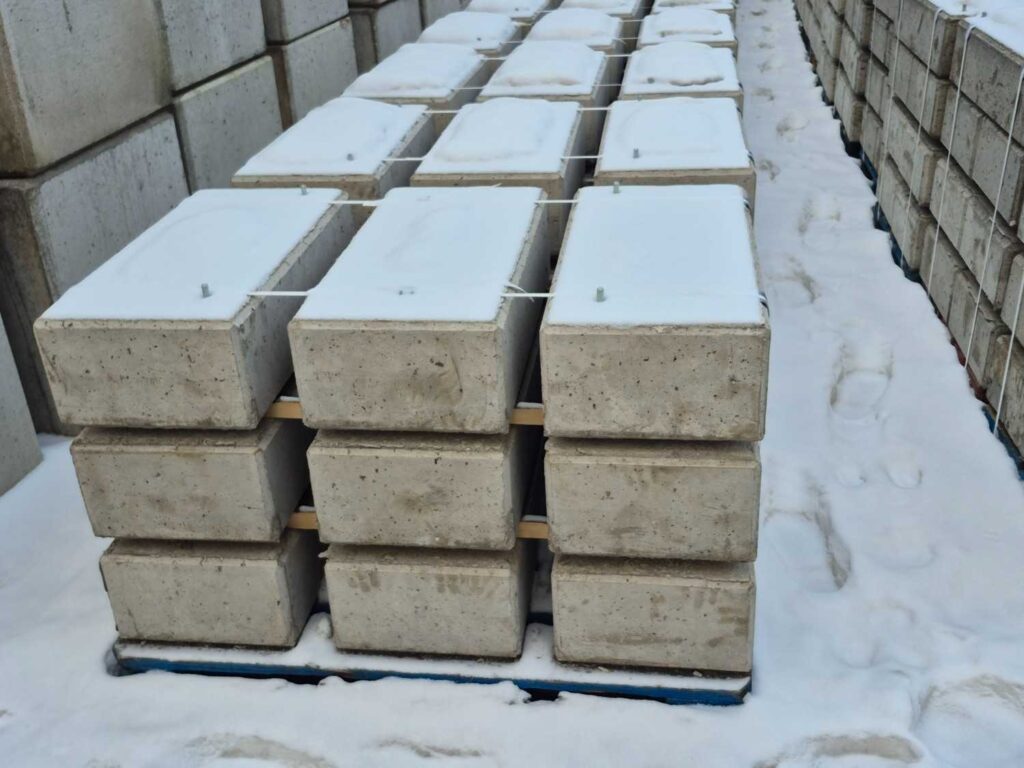
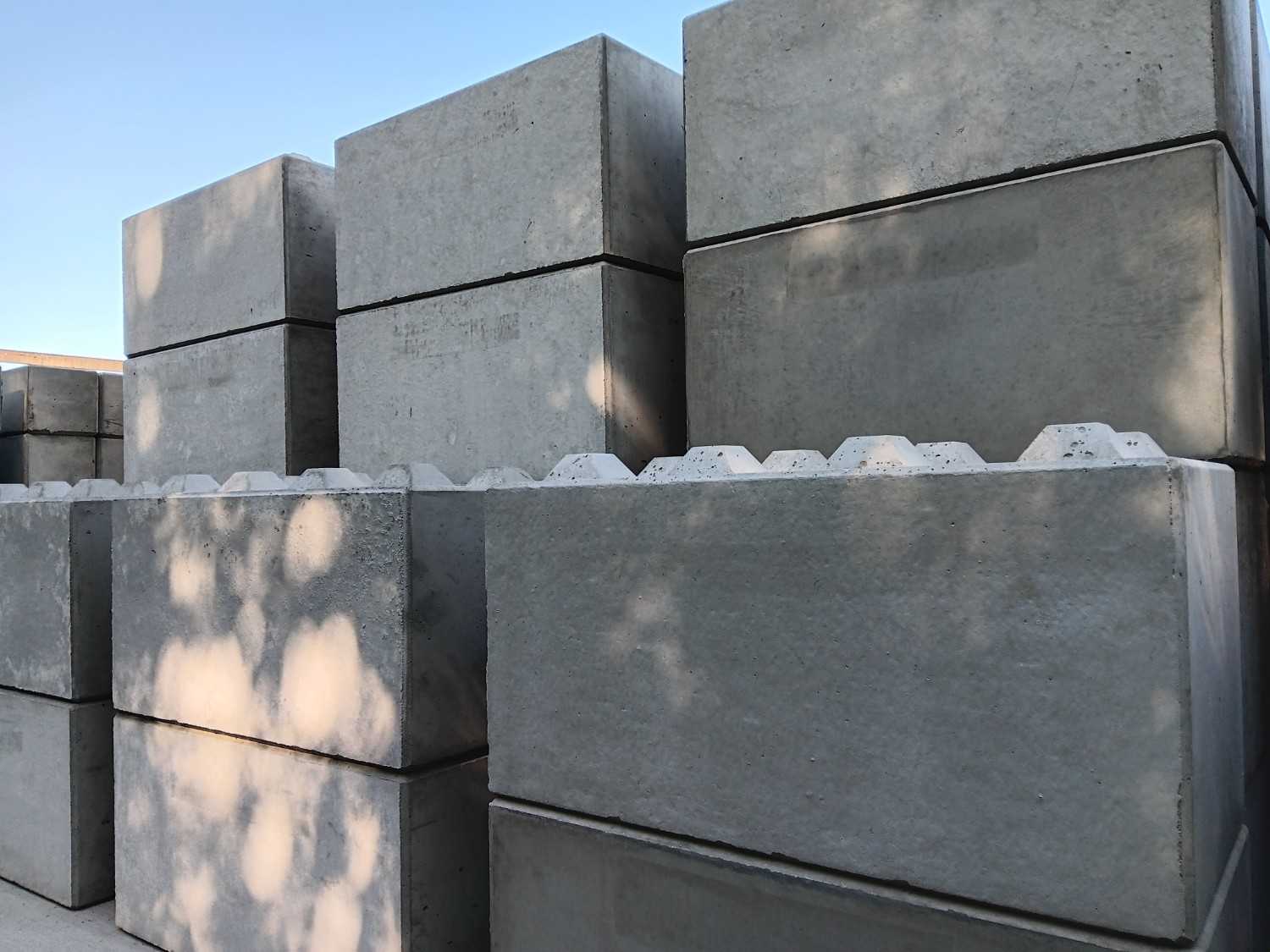
- Block type and specification: Standard stock items such as large precast concrete blocks move faster than custom or specified products that require dedicated casting
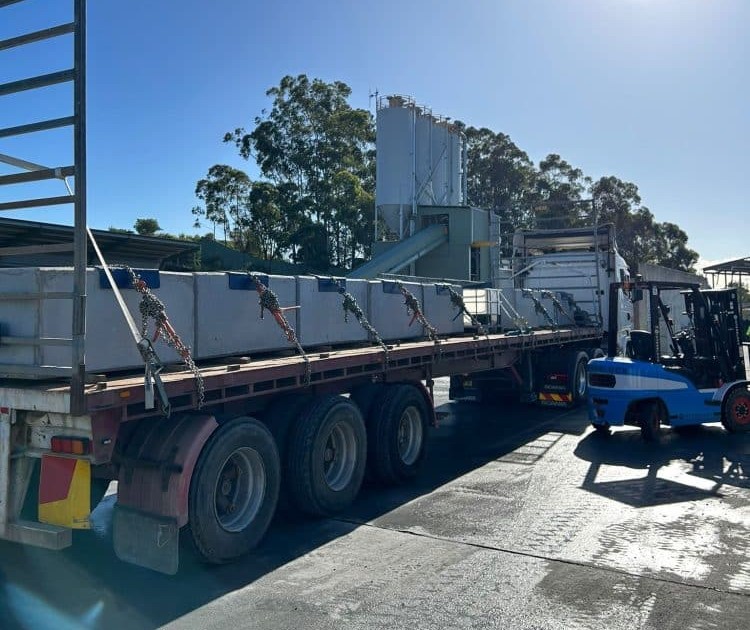
- Transport and delivery: Coordinating haulage, crane or hiab access and the delivery window adds time on top of production
- Seasonal demand: Peak ordering periods, including the pre-winter rush, lengthen the queue for everyone
Knowing which of these apply to your project is the difference between a realistic schedule and an optimistic guess. A bulk commercial order placed during the busiest weeks of the year behaves very differently from a modest order in a quieter period, which is why understanding retaining wall blocks lead time upfront lets you plan backwards from your build date with realistic buffers.
The Local Manufacturing Advantage
Where your blocks come from matters as much as when you order them. Blocks shipped from interstate or overseas carry every delay built into a long supply chain: freight scheduling, transport distance and handling between depots. Any one of them can push your delivery date without warning, and on a tight winter program there’s rarely room to absorb that kind of slip.
Local precast concrete supply removes most of that risk. When blocks are manufactured locally, there’s no interstate freight line to depend on and no extended transport window to factor into your program. As a Queensland precast concrete manufacturer producing on the Gold Coast, InfraBlock coordinates delivery around your build sequence rather than a national logistics network.
That proximity helps with the paperwork too: the certifications and specifications your project needs for council approval stay close at hand, giving commercial precast block supply a reliability distant suppliers can’t match.
When to Order: A Practical Timeline for Winter Builds
The simplest way to protect your program is to work backwards from your build start date and treat ordering as an early milestone, not a late one. The best time to order precast concrete blocks for a winter retaining wall build is well before the first machine arrives on site, which means having your supply conversation early.
A practical sequence looks like this:
- Confirm your specifications first: Lock in block type, quantities and specifications, and request a quote so you have firm numbers to plan around
- Place the order to secure your slot: Get the order confirmed to hold your place in the production schedule, especially for commercial volumes
- Coordinate delivery ahead of build: Confirm the delivery window and site access so haulage and craneage line up with your program
- Build with supply locked in: Blocks arrive ready to install, with the rest of your trades sequenced behind a confirmed delivery
These are sensible defaults rather than fixed rules, and a quick conversation with your supplier will sharpen the timing for your specific order. Winter is the peak retaining wall build season across South-East Queensland, so the ordering timelines for precast blocks tighten just as demand climbs. Getting your order in early enough absorbs the normal pressures of a busy season without forcing a scramble later.
Frequently Asked Questions
How far in advance should builders order precast concrete blocks for winter?
Order as early in autumn as your specifications allow, ideally before the winter build season begins. Because demand for retaining wall blocks peaks in the cooler months, confirming your order ahead of that window gives production and delivery enough room to meet your build date without compromise.
What is the lead time for retaining wall blocks on the Gold Coast?
Lead time depends on order volume, product type and how busy the production schedule is, so it varies from job to job. Ordering from a Gold Coast manufacturer keeps that timeline shorter than interstate supply, because the blocks don’t depend on long-distance freight to reach your site.
Does local precast manufacturing reduce supply delays?
Yes. Locally manufactured blocks avoid the freight scheduling and transport distances that build delay into interstate and overseas supply chains. Producing on the Gold Coast also means delivery can be coordinated around your build sequence rather than a national logistics network.
What affects precast concrete block lead times?
Three factors carry most of the weight: order volume, whether the product is a standard or custom specification, and seasonal demand. Larger orders, custom designs and peak-season timing each extend the schedule, which is why confirming your order early matters most.
Why Choose InfraBlock for Your Winter Build Supply
InfraBlock is the Gold Coast’s trusted manufacturer and supplier of precast concrete products, working with builders and developers across South-East Queensland to keep projects supplied with quality blocks on a reliable timeline. Manufacturing locally means consistent product availability, shorter lead times and hands-on support from the moment an order is confirmed through to delivery on site.
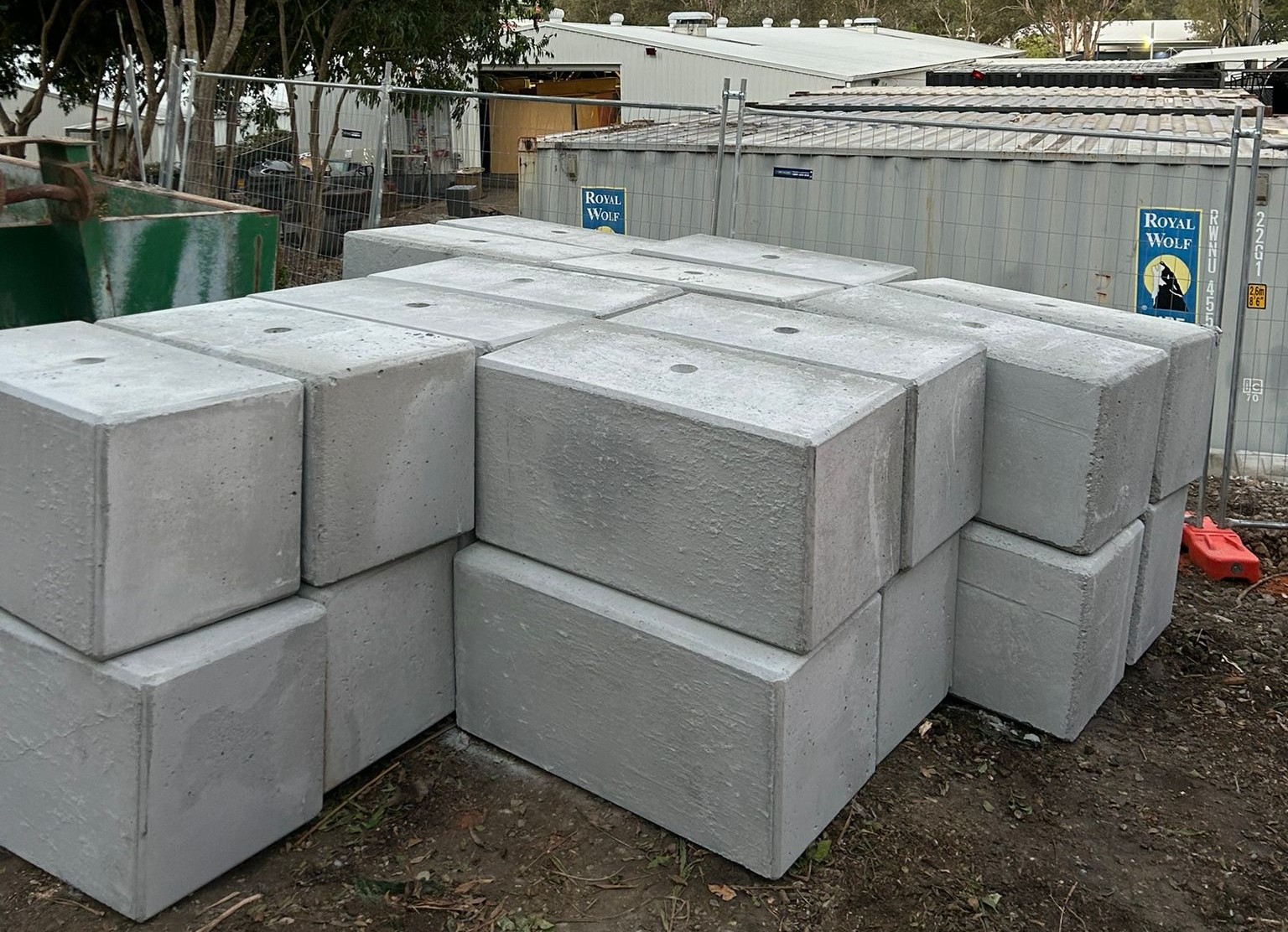
That local capability is backed by a product range built for serious earth-retaining work. Our Large Interlocking Blocks suit high-load commercial and civil applications, while our Curvature Retaining Blocks handle curved and landscaped designs, and the full product range is manufactured to AS4678 standards. Because every product is made on the Gold Coast, planning your order around a winter build means working with a supplier who can hold to the schedule your project depends on.
Order Your Precast Blocks Before Winter
The builders who sail through winter are the ones who treated supply as part of the plan rather than a last-minute scramble. Getting your precast order confirmed early is the single most reliable way to keep a winter build on track, and InfraBlock is the Gold Coast precast manufacturer and supplier to help you plan it.
To lock in your supply for the season ahead, speak to our team about your project schedule and we’ll help you plan an order that lands exactly when you need it. Call us on 0478 102 201 or email info@infrablock.com.au, and we’ll keep your winter build supplied and on track.