Winter on the Gold Coast doesn’t slow construction down — for retaining wall projects, it’s often the season that moves fastest. While southern states battle frost and saturated ground, Queensland’s dry season delivers stable soil, clear skies, and predictable conditions that make building retaining walls in winter genuinely straightforward. The question isn’t whether to build in winter. It’s how to make the most of it.
Why Queensland Winter Is Actually Ideal for Retaining Wall Work
Winter construction on the Gold Coast isn’t the challenge it is in southern states. From June through August, the broader South-East Queensland region typically sees reduced rainfall, lower humidity, and stable ground conditions — the exact environment that supports efficient dry season retaining wall construction. For anyone planning retaining wall installation in winter, these conditions represent a real window, not a compromise.
- Reduced rainfall: Drier ground minimises surface runoff and waterlogging on site, keeping excavations cleaner and more stable from day one
- Consistent soil moisture: Unlike the wet season, where ground conditions shift rapidly, winter soil holds steady — making footing preparation and compaction more predictable
- Better site access: Dry conditions mean equipment moves efficiently, trades can sequence properly, and fewer weather delays eat into project timelines
- Reliable curing conditions: Queensland winters are mild, not cold — concrete cures consistently without frost risk or temperature extremes disrupting the process
For Gold Coast builders and owner-builders alike, dry season construction in Queensland is less about braving the elements and more about capitalising on the best conditions the year offers.
Precast vs Poured Concrete: Why Winter Tips the Scales
On-site curing is where poured concrete becomes a liability in variable conditions. Even in Queensland’s mild winters, overnight temperature dips, unexpected showers, and shifting humidity can affect how poured concrete sets — introducing inconsistency into the structural outcome. If conditions change during the curing window, the wall’s integrity may be compromised before it has fully formed.
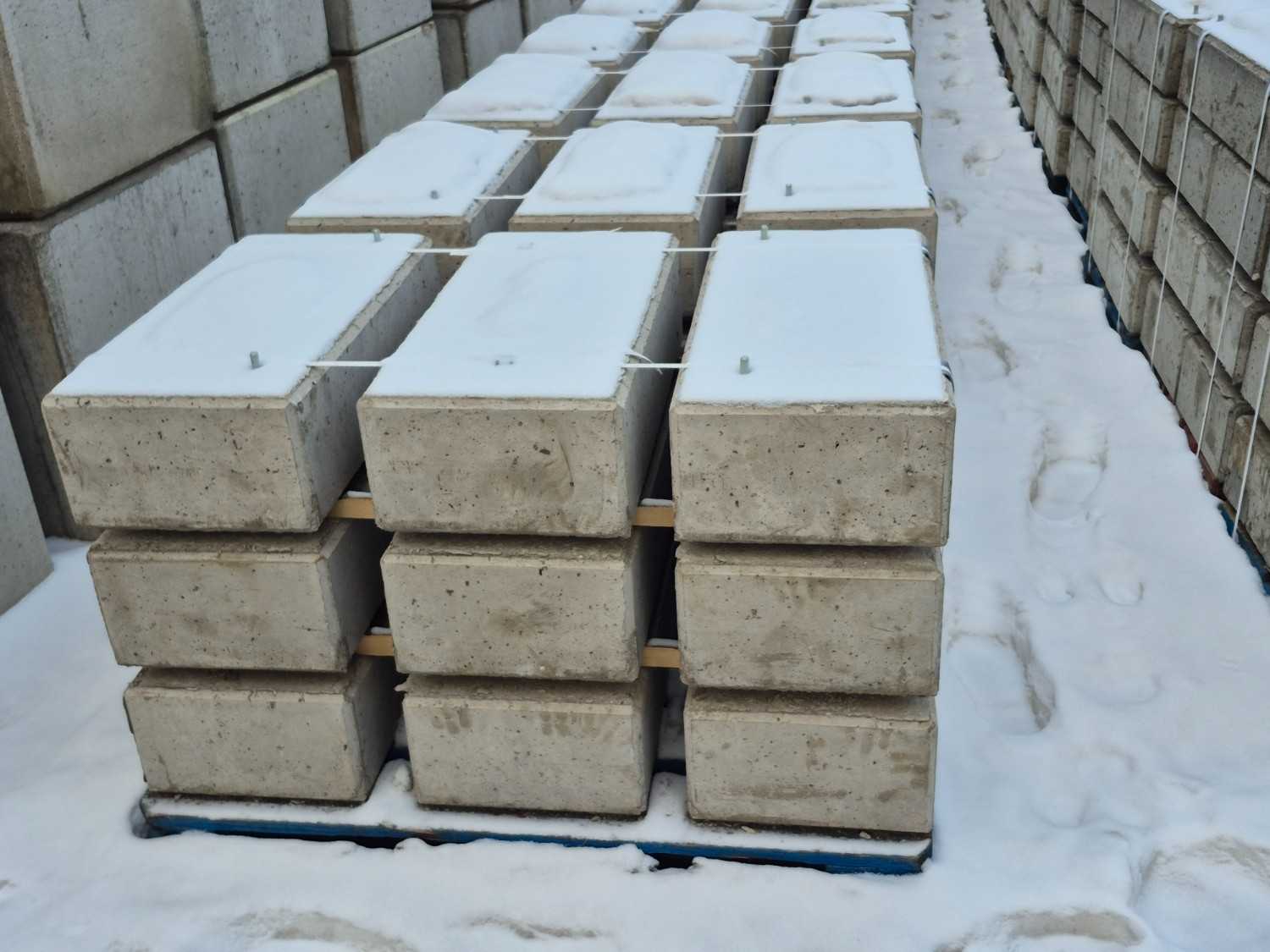
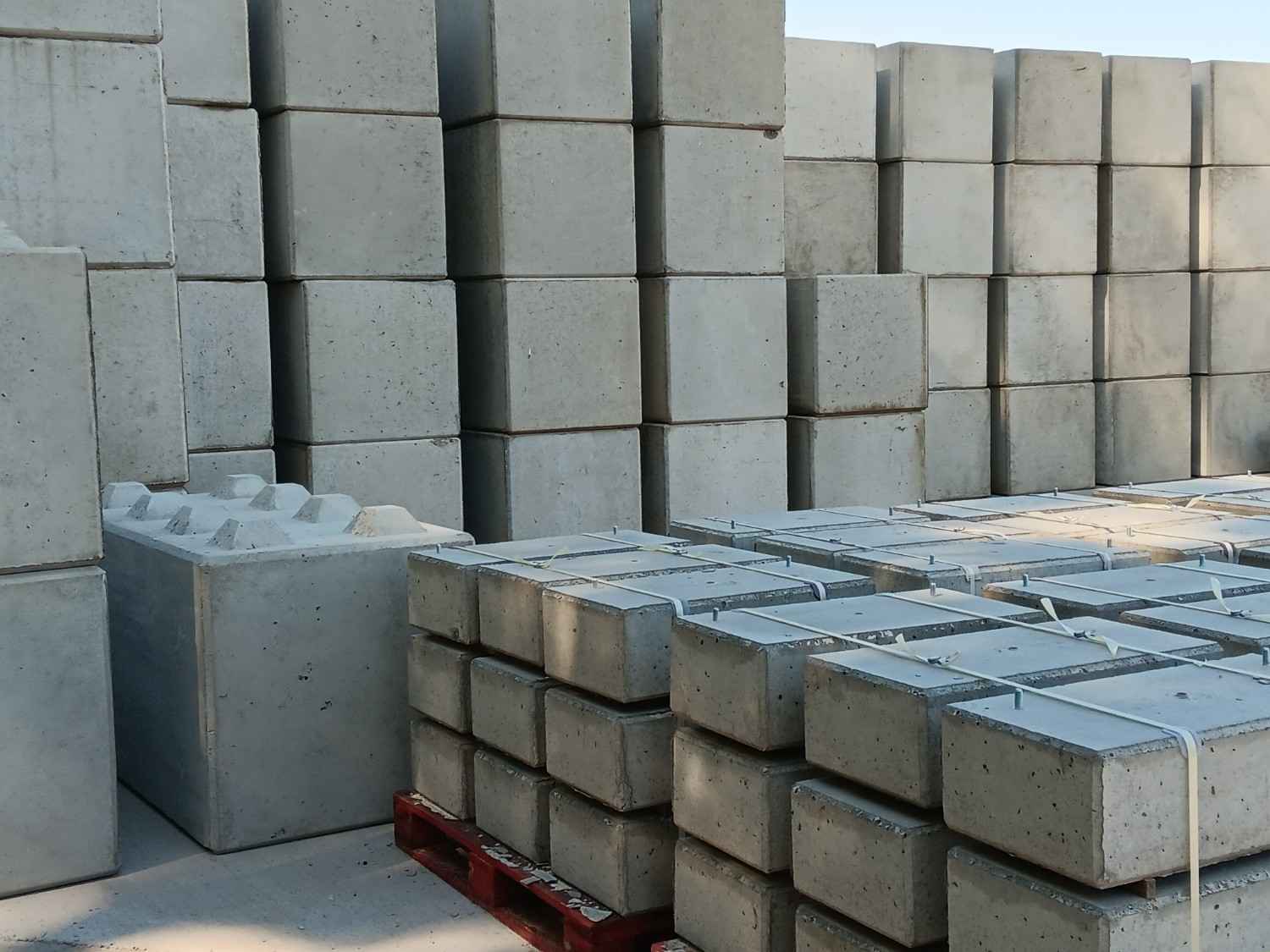
Precast concrete retaining walls in winter sidestep this problem entirely. Every block is manufactured under controlled factory conditions before it ever reaches site — the curing process happens off-site with consistent temperature and moisture throughout. By the time precast blocks arrive on the Gold Coast job site, the structural work is already done. Installation is simply placement, not a race against the weather. Without a curing window to manage, block placement can proceed immediately and continuously.
Which Method Holds Up Better on a Winter Build Site?
The difference between precast and poured concrete becomes clearest when you assess each method against real on-site conditions. This comparison focuses on the factors that matter most during a Queensland winter build:
| Factor | Precast Concrete Blocks | Poured Concrete |
| On-site curing required | No — cured off-site under controlled conditions | Yes — curing happens on-site, subject to conditions |
| Weather dependency | Low — blocks arrive structurally complete | Higher — temperature and moisture affect the cure |
| Installation speed | Fast — placed directly with machinery | Slower — formwork, pour, and cure time required |
| Consistency of finish | Controlled — same result every block | Variable — finish depends on site conditions |
| Cold or wet weather risk | Minimal — no active curing on site | Higher — adverse conditions can compromise the cure |
| Scheduling flexibility | High — no waiting for curing before next phase | Lower — curing dictates the build sequence |
Precast eliminates the variables that make poured concrete unreliable in the field and hands the builder a faster, more predictable build sequence from the first day on site, and that’s exactly what InfraBlock’s precast blocks deliver on Queensland winter builds.
What to Prioritise on Site During a Winter Retaining Wall Build
Good Queensland winter building conditions create a real advantage — but only for teams that prepare thoroughly before work begins.
- Site assessment first: Gold Coast soil profiles vary significantly — clay-heavy hinterland ground behaves differently from coastal sandy substrate. Ground compaction should be tested and documented before footing work starts, not assumed from season alone
- Drainage planned during the build, not after: The drainage system behind a retaining wall needs to be designed and installed during the build phase. Aggregate backfill, geotextile fabric, and agricultural drainage pipe all need to be in place before backfilling begins — winter is the right time to get this right while the site is dry and access is open
- Block placement sequenced carefully: Lay the base course level, compact backfill in stages as the wall rises, and verify drainage integration at each layer
- Scheduling advantage worth using: Off-peak retaining wall construction during Queensland winter typically means better trades access and less site congestion. Plan your supply early to make the most of it
Winter builds that get these fundamentals right from day one are the ones that finish on schedule and hold up when the wet season arrives.
How Long Does a Winter Retaining Wall Project Take on the Gold Coast?
Project duration varies with wall height, site complexity, and access conditions. For most residential and commercial jobs on the Gold Coast, the build moves through a consistent sequence:
- Site assessment and ground preparation: Soil testing, compaction checks, and drainage planning before any excavation begins
- Footing excavation and base preparation: Ground levelled and compacted to spec, ready for the first course
- Base course placement: First block layer set level — the most critical stage for wall alignment
- Progressive block stacking with drainage integration: Blocks placed in lifts, backfill compacted in stages, drainage components installed as the wall rises
- Surface finishing and final backfill: Wall completed, drainage outlets cleared, site dressed
The precast advantage is most visible in the middle stages. Where poured concrete requires a curing hold before backfilling can begin, precast blocks allow the build to move continuously — no weather-dependent hold points. For off-peak retaining wall construction during Queensland’s winter window, that continuity means faster completion and a cleaner build sequence overall.
Builders who confirm block supply early are the ones who move most efficiently through the dry season, and with InfraBlock manufacturing locally on the Gold Coast, supply reliability and lead times stay predictable when the window opens.
Frequently Asked Questions
Is winter a good time to build a retaining wall in Queensland?
Yes — Queensland winter is one of the best times of year for retaining wall installation. The dry season brings stable ground conditions, reduced rainfall, and consistent temperatures that support accurate excavation, reliable footing work, and efficient block placement across the Gold Coast and broader South-East Queensland.
Does cold weather affect concrete curing for retaining walls?
It can be poured concrete, but not for precast. Poured concrete cured on-site is vulnerable to temperature fluctuations and moisture changes during the curing window. Precast blocks are cured off-site under controlled factory conditions, so by the time they arrive on site, the curing process is already complete — regardless of what the weather is doing.
What’s the difference between precast and poured concrete retaining walls in winter?
Precast blocks arrive site-ready with no on-site curing required, which means installation can proceed immediately and continuously. Poured concrete requires formwork, an on-site cure, and a hold period before the next build phase can begin. In winter, where weather variability adds risk to the curing process, precast removes that variable entirely and delivers a faster, more predictable build.
Do I need drainage behind a retaining wall built in winter?
Yes, regardless of season. Drainage behind a retaining wall prevents hydrostatic pressure from building up when wet season rainfall arrives — and the dry season is the ideal time to get it right. Installing aggregate backfill, geotextile fabric, and drainage pipe during the retaining wall system build phase is far easier and more reliable than attempting to retrofit drainage later.

Why Choose InfraBlock for Winter Retaining Wall Projects
InfraBlock is a Gold Coast-based manufacturer and supplier of precast concrete retaining wall products, supplying builders, developers, and project teams across South-East Queensland. Every block is manufactured to AS4678 and produced locally, which means supply reliability and lead times stay predictable — an important consideration when scheduling a build around Queensland’s dry season window.
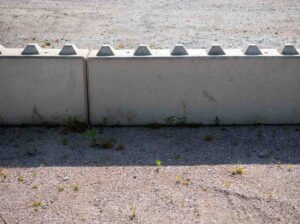
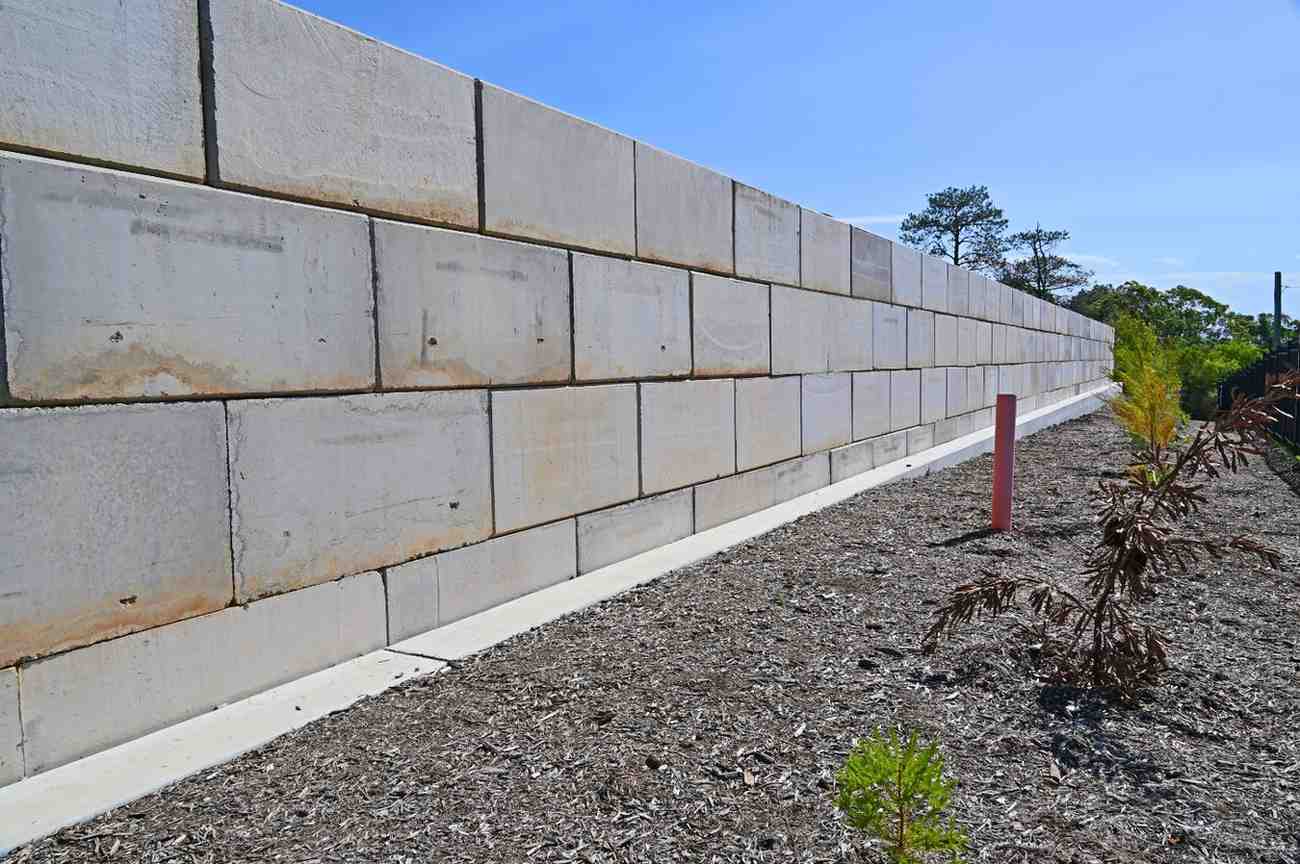
For winter retaining wall installation, InfraBlock’s precast range is built for the conditions. Large Interlocking Blocks stack quickly and integrate cleanly with drainage systems as the wall rises. Curvature Retaining Blocks handle contoured designs across the varied terrain Gold Coast and South-East Queensland sites demand. Both arrive site-ready — no on-site curing, no formwork, no weather-dependent hold points. When the dry season window is open, InfraBlock is the local manufacturer and supplier that keeps the build moving.
Start Your Winter Retaining Wall Project on the Gold Coast
Queensland’s dry season is a genuine build window — stable ground, predictable conditions, and off-peak scheduling that keeps projects moving. For retaining wall projects on the Gold Coast and across South-East Queensland, planning early is what separates builds that finish cleanly from those that run into the wet season. InfraBlock manufactures and supplies the precast solutions that keep winter builds on schedule.
Speak to our team today about your retaining wall project and request a quote before the dry season fills up. Call 0478 102 201, email info@infrablock.com.au, and let’s get your supply confirmed and your project on schedule.