Queensland’s spring and summer storms arrive fast, and the bare, dry ground left behind after winter has very little holding it together when the first heavy downpour hits. Soil erosion control is far cheaper and far more effective as preparation than as a clean-up job. The work you put in now, before the season turns, decides whether your site sheds a storm or washes away with it.
Why Spring and Summer Storms Accelerate Erosion
Winter leaves ground compacted, dry and often stripped of cover. When spring and summer storms bring sudden, high-volume rain, that hardened surface can’t absorb the water fast enough. The runoff sheets across the top instead, lifting loose soil as it goes.
The steeper the ground, the faster that water moves and the more it carries. Exposed batters, freshly cleared lots and unsealed stockpiles are usually the first to show erosion damage after a big Queensland downpour.
Getting ahead of the season is the whole point, and erosion prevention starts well before the clouds build. Planning early is exactly the mindset InfraBlock is built around, supplying the materials that keep sites stable when the weather turns.
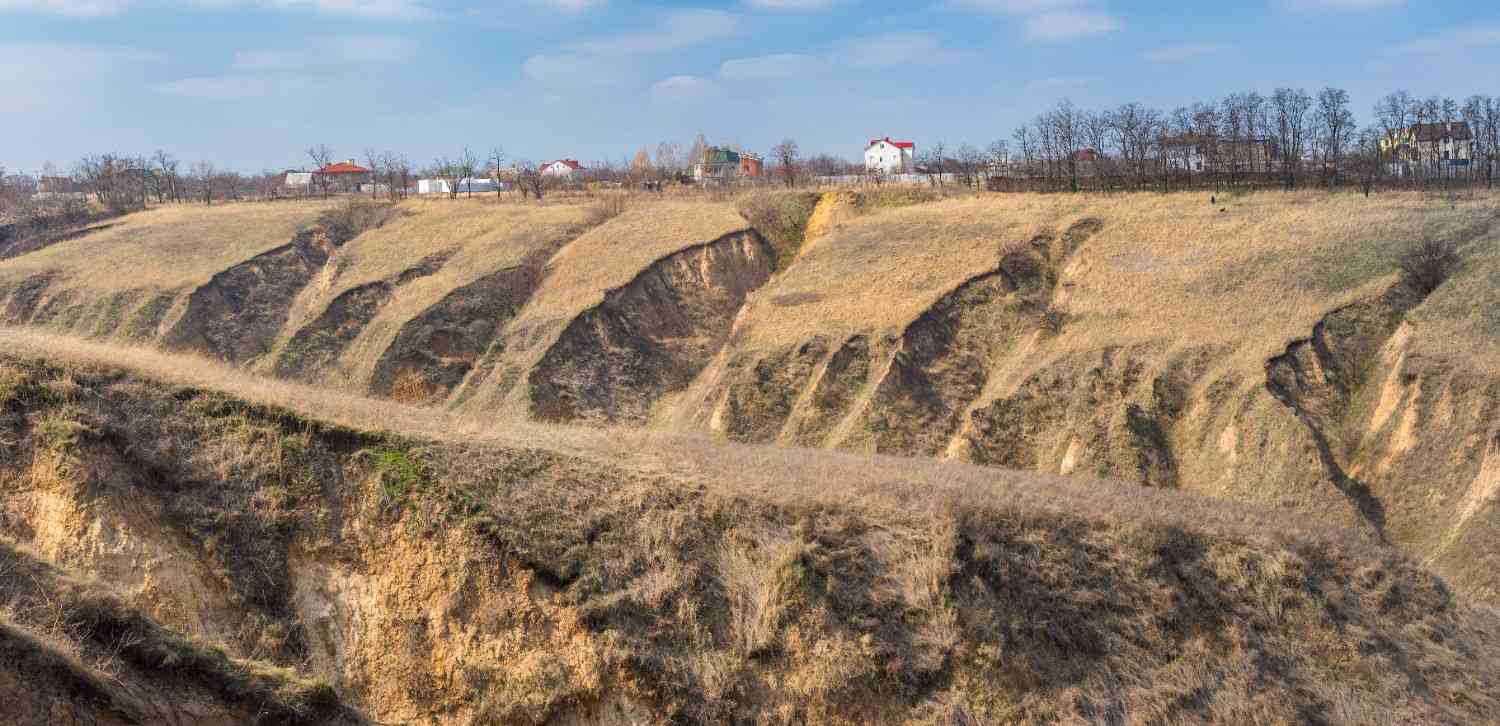
Spot Your Erosion Risk Before the Season Hits
The best defence against erosion starts with knowing exactly where it will begin. Walk the ground before the wet season and mark every point where water will want to run and soil will want to move.
Watch these vulnerable zones in particular:
- Exposed slopes and batters: open faces with no cover shed soil quickly once runoff builds speed
- Freshly cleared or stripped ground: disturbed earth has lost its natural binding and shifts easily under heavy rain
- Stockpiles and loose fill: unsecured material washes straight into drains and waterways
- Drainage lines and low points: concentrated flow cuts channels and undermines whatever sits above it
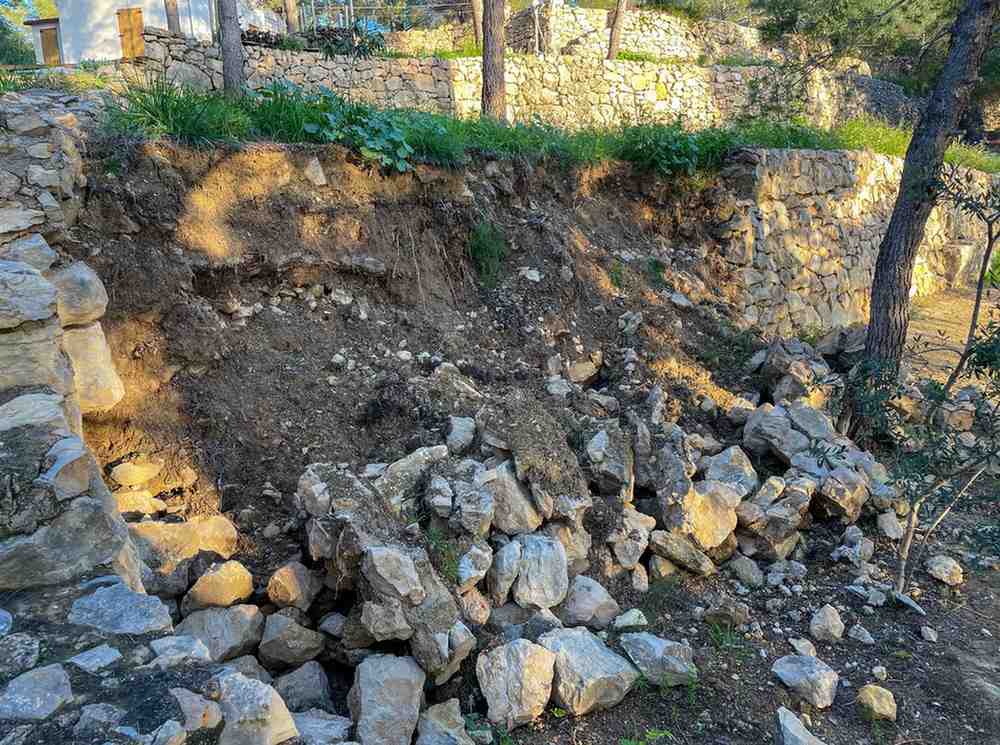
- The base of existing walls: pooling water scours away the soil that supports a wall from beneath
Slope erosion is the risk that escalates fastest, because gradient adds speed to every litre of runoff. If your site sits on a genuine incline, retaining walls built for sloped sites call for a different design approach again.
Which Methods Actually Hold the Ground in a Storm
Effective erosion prevention layers several methods rather than leaning on one. Ground cover slows the raindrops, drainage redirects the flow, and structural retention holds the soil that everything else is trying to protect.
Vegetation and mulch are the first line, binding the surface as roots establish. Soil stabilisation matting and sediment fences add temporary cover while planting takes hold, though both are holding measures rather than permanent answers.
Here’s how the common options compare once a real storm arrives:
| Method | How it holds up in a storm |
| Vegetation and mulch | Useful long-term cover, but needs weeks to establish and does little in the first big downpour |
| Sediment fences | A temporary site control, quickly overwhelmed once heavy flow builds |
| Timber retaining | A short-term fix that degrades in Queensland humidity and has a limited service life |
| Precast concrete retaining | Permanent structural retention, storm-ready from the day it’s placed |
For anything holding a real load or a real gradient, controlling erosion comes down to structure. Surface methods buy time, but they won’t stop a slope from moving once the soil is saturated.
Precast retaining walls give you permanent retention that’s ready the day it’s placed. Choosing durable options built for the coastal climate matters as much as the method, since anything you replace every few seasons was never really doing the job.
How Retaining Walls Keep Soil in Place
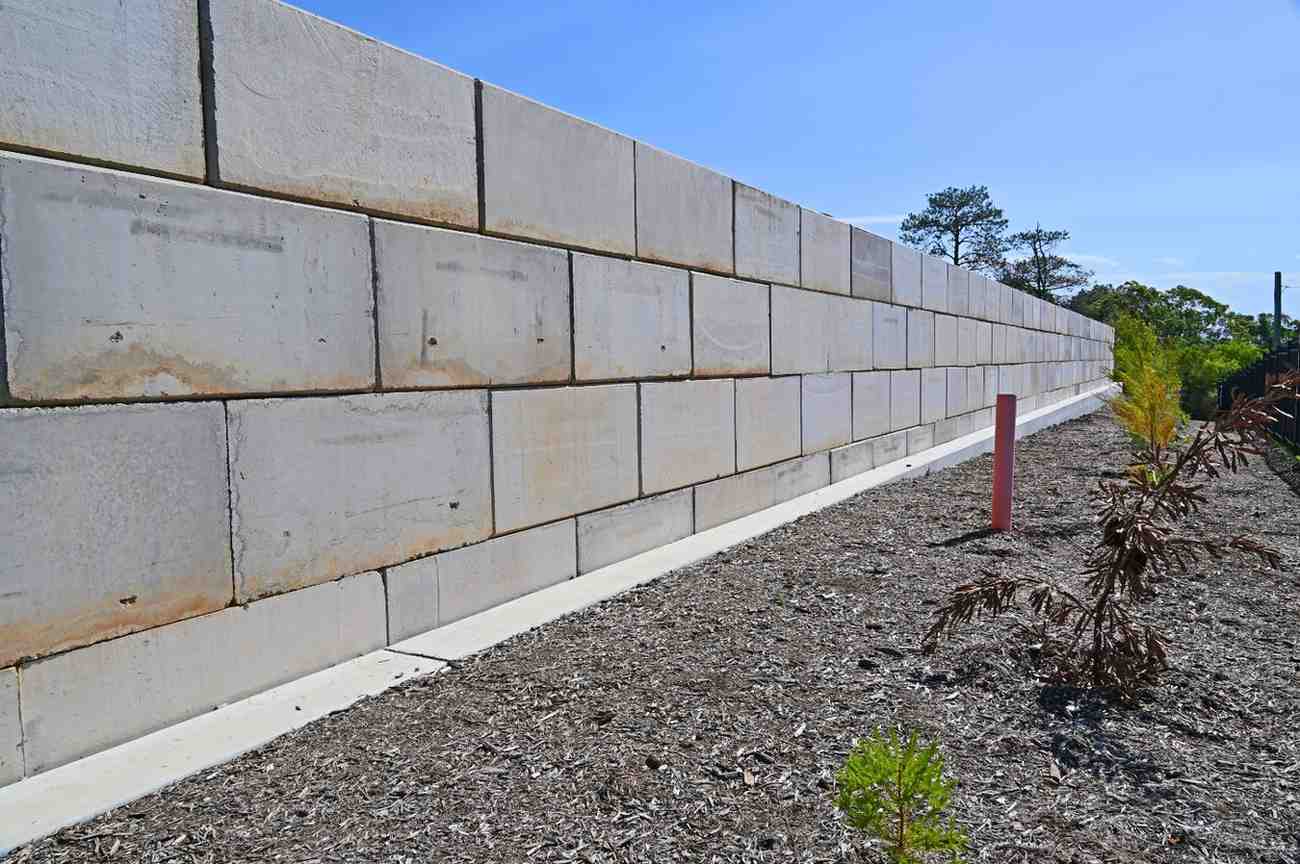
When ground needs to stay put through a storm season, retaining wall solutions do the heavy lifting that surface methods can’t. A well-designed wall holds the soil behind it, turning an unstable slope into a stable, usable terrace.
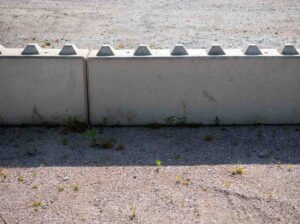
Precast retaining walls are especially suited to storm preparation, because the advantages that matter most in a downpour are built into the product before it reaches the site:
- Structural mass: the weight to hold saturated, heavy ground that lighter materials can’t
- Off-site manufacture: cast and cured to AS4678 for consistent, certified quality every time
- Ready to place: no wet pour to set, so the ground is protected sooner
Positioned where water and gravity concentrate, a wall protects the soil that surface cover can’t hold on its own. To prevent soil erosion at that critical line, InfraBlock’s precast concrete blocks give you the structural backbone the rest of your plan relies on.
Managing Drainage and Runoff Around Your Walls
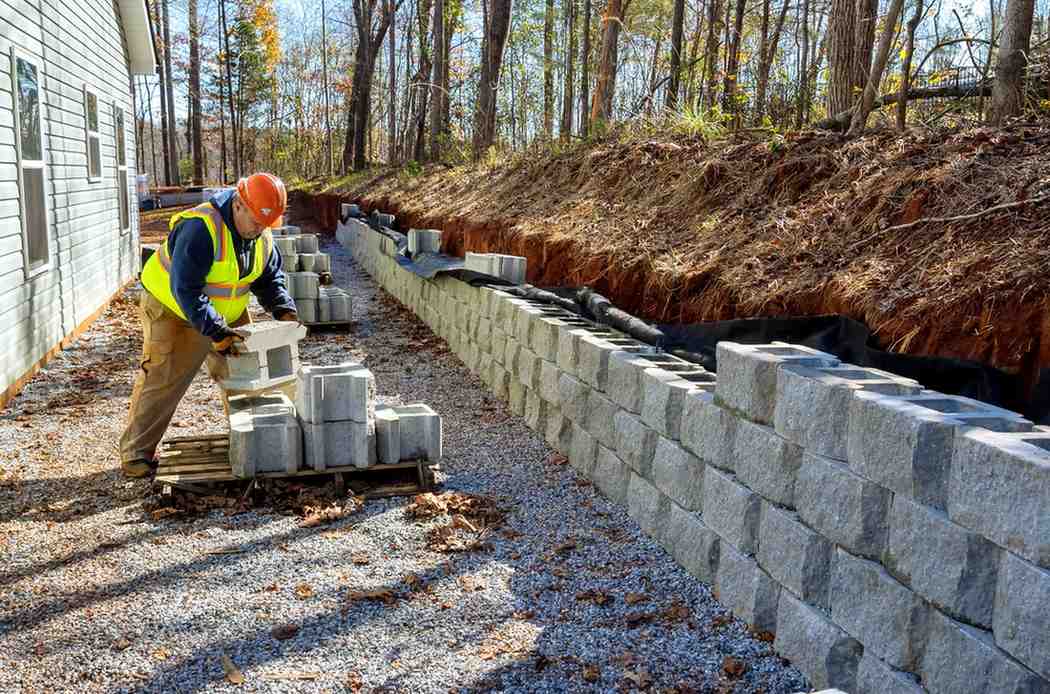
A retaining structure is only as good as the water management around it. Stormwater runoff with nowhere to go builds pressure behind a wall and scours the soil in front of it, so directing that flow is half the erosion battle.
- Weep holes and gravel backfill: relieve the water pressure that builds up behind a wall
- Clear runoff paths: move flow away from exposed ground before it can cut in
- Permeable surfaces and planted swales: spread water out instead of letting it concentrate
Good retaining wall solutions plan for all of this from the start, not as an afterthought once the wall is up. The drainage rules that apply to walls near water are worth understanding before you finalise any design, because the aim is always the same: slow the water down and give it somewhere safe to go.
Your Pre-Storm Erosion Checklist
Pulling it together, here’s the order to work through before the first big storm of the season.
- Assess the ground: walk the site and mark every exposed slope, stockpile and drainage line
- Cover what you can: establish vegetation or lay matting early so surface cover has time to take hold
- Sort the drainage: set up runoff paths, weep holes and backfill before you need them
- Retain the slopes: place walls where gradient and load call for permanent retention
- Review before every storm: re-check the site after each event and address small problems before they grow
None of it is complicated on a dry day, and all of it is far harder once the rain has started. The sites that ride out the season are simply the ones that worked the list early.
Frequently Asked Questions
When should I start preparing a site for storm season?
Start before the season turns, ideally in late winter or early spring. Ground cover needs weeks to establish, and drainage and walls are far easier to organise on dry ground than in the middle of a downpour.
Can landscaping alone stop the ground washing away?
Not on its own once slopes and heavy runoff are involved. Vegetation binds the surface, but steep or high-load ground needs structural retention to stay put through a real storm.
Do precast walls suit a sloped site?
Yes, they’re well suited to gradients where soil movement is a genuine risk. The interlocking mass holds saturated ground that lighter materials struggle with.
How does drainage tie into holding soil in place?
Drainage removes the water pressure that pushes soil and structures out of position. Without it, even a strong wall can be undermined from behind.
Why Choose InfraBlock for Storm-Ready Erosion Protection
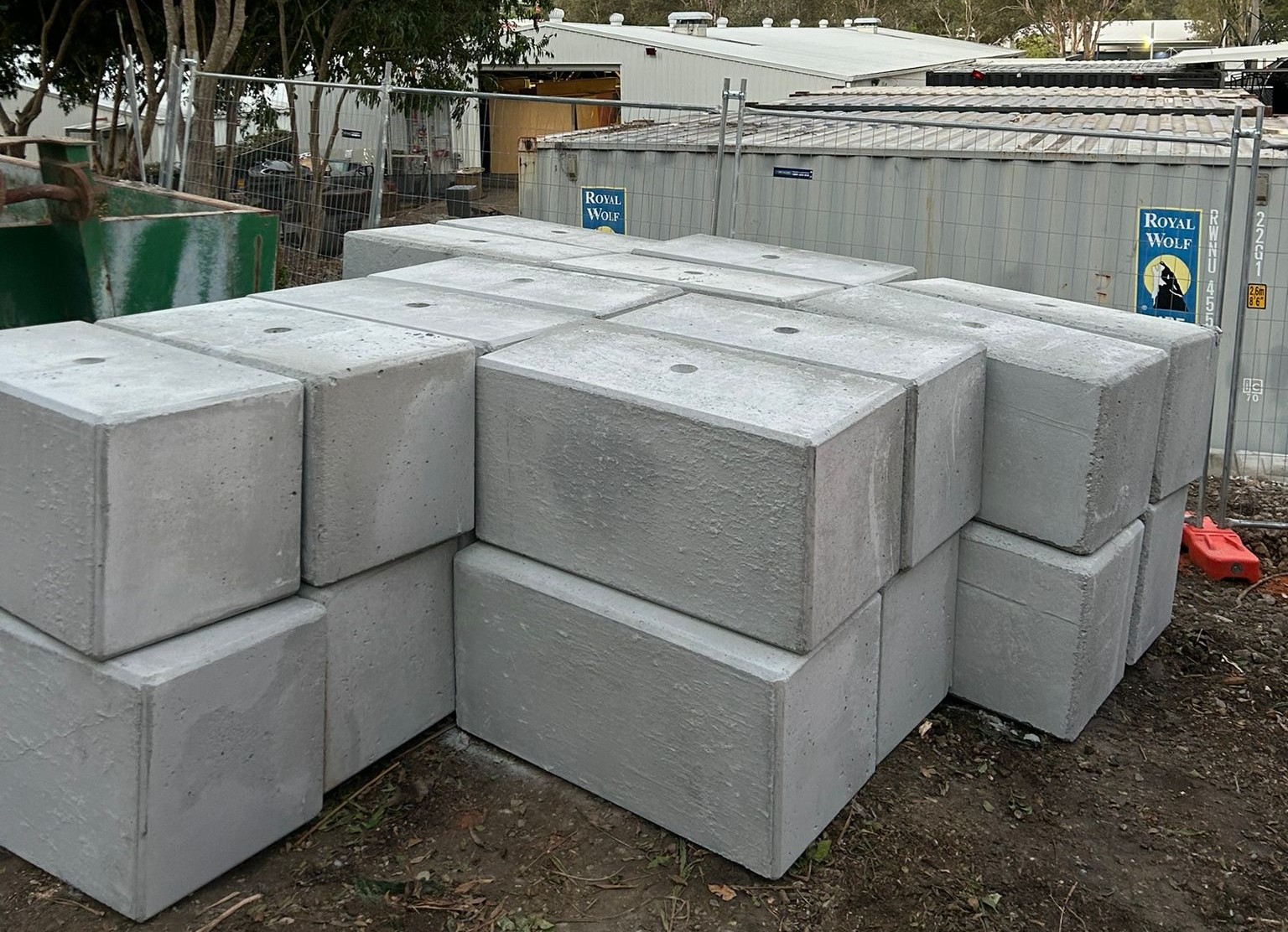
InfraBlock supplies precast concrete blocks engineered for exactly the conditions Queensland’s storm season throws at a site. We manufacture every block to AS4678, so builders, developers and homeowners across the Gold Coast get certified, consistent products matched to what their ground actually needs.
Our Large Interlocking Blocks deliver the structural mass that steep and high-load sites rely on, while our Smooth Large Interlocking Blocks add a clean finished face for walls on show. Both are built for fast placement and decades of service, which is why Gold Coast projects make us their precast partner when the weather won’t wait.
Get Ahead of Storm Season While There’s Still Time
Storm season doesn’t wait for a convenient moment, and the sites that come through it best are the ones prepared long before the first cloud builds. InfraBlock is the Gold Coast and South-East Queensland precast supplier keeping storm-ready blocks available for exactly that kind of forward planning.
Request a quote or talk your site through with our team on 0478 102 201 or info@infrablock.com.au, and we’ll match the right precast solution to your ground before the season turns.