By the time spring construction ramps up on the Gold Coast, the projects that move fastest are the ones whose groundwork was sorted months earlier. Ground stabilisation is the quiet first step that decides whether a site is ready to carry a build, and it is far easier to get right while the ground is still dry than in the rush once the season turns. Leave it too late and good projects lose weeks before a single block is laid.
Why the Spring Rush Rewards Getting in Early
Spring is when Gold Coast build schedules get crowded. Contractors, engineers and suppliers all come under pressure at once, and the sites that hold their timeline are the ones whose ground conditions were assessed and corrected before that pressure arrived.
A site that looks fine on the surface can still hide soft or reactive ground underneath. If that only surfaces once excavation starts, the fix competes with everyone else’s spring workload, and a stable base becomes something you chase rather than something you built on.
Getting ahead of it also frees you to line up the rest of the job. The broader project preparation checklist, from approvals through to material orders, runs far more smoothly once the ground underneath is sorted first.
What Unstable Ground Does to a Build
Before a site can carry a wall or a footing, the ground under it has to behave predictably under load. Getting it there is one of the first jobs in proper site preparation. Soil stabilisation improves weak or moisture-prone ground so it holds firm rather than shifting once weight goes on it.
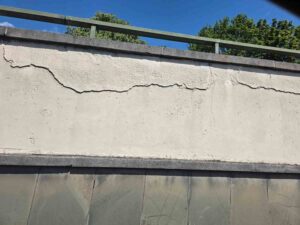
Much of the Gold Coast sits on reactive clay that swells when wet and shrinks as it dries. Ground like that moves with the seasons, and a wall built on it before it is corrected will crack, lean or settle unevenly within a few years.
Water is usually the culprit. Saturated ground loses bearing strength, which is a different problem from surface washout, though the two often show up together after heavy rain. If loose topsoil and runoff are the bigger worry on your block, controlling erosion before the storm season is the companion job to tackle alongside stabilising the ground.
How a Site Gets Stabilised Before the Build
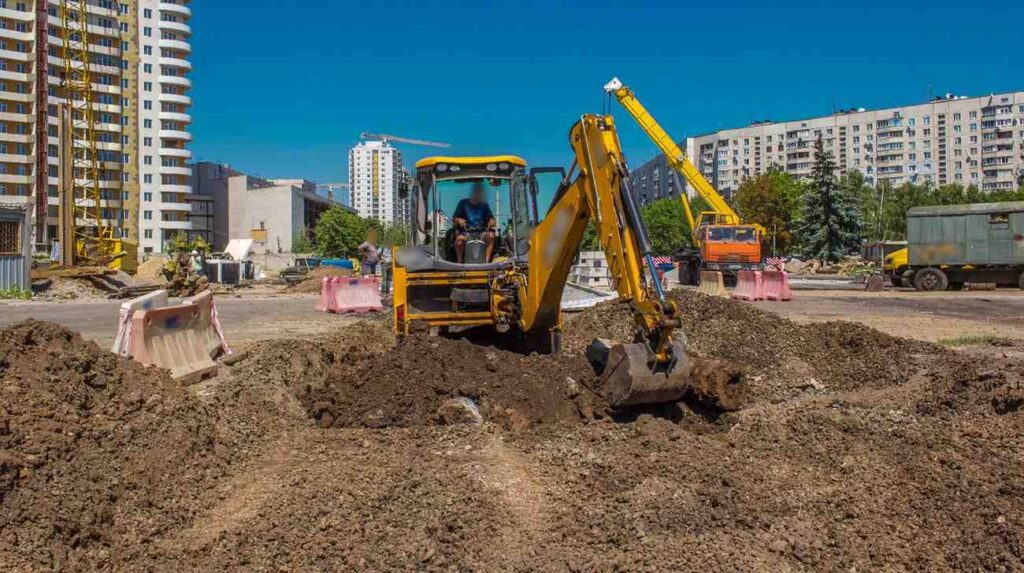
The right site preparation approach depends on what the ground assessment turns up, but most sites draw on a familiar set of techniques. Compaction and subgrade improvement do the heavy lifting, with other measures layered in where the soil needs them.
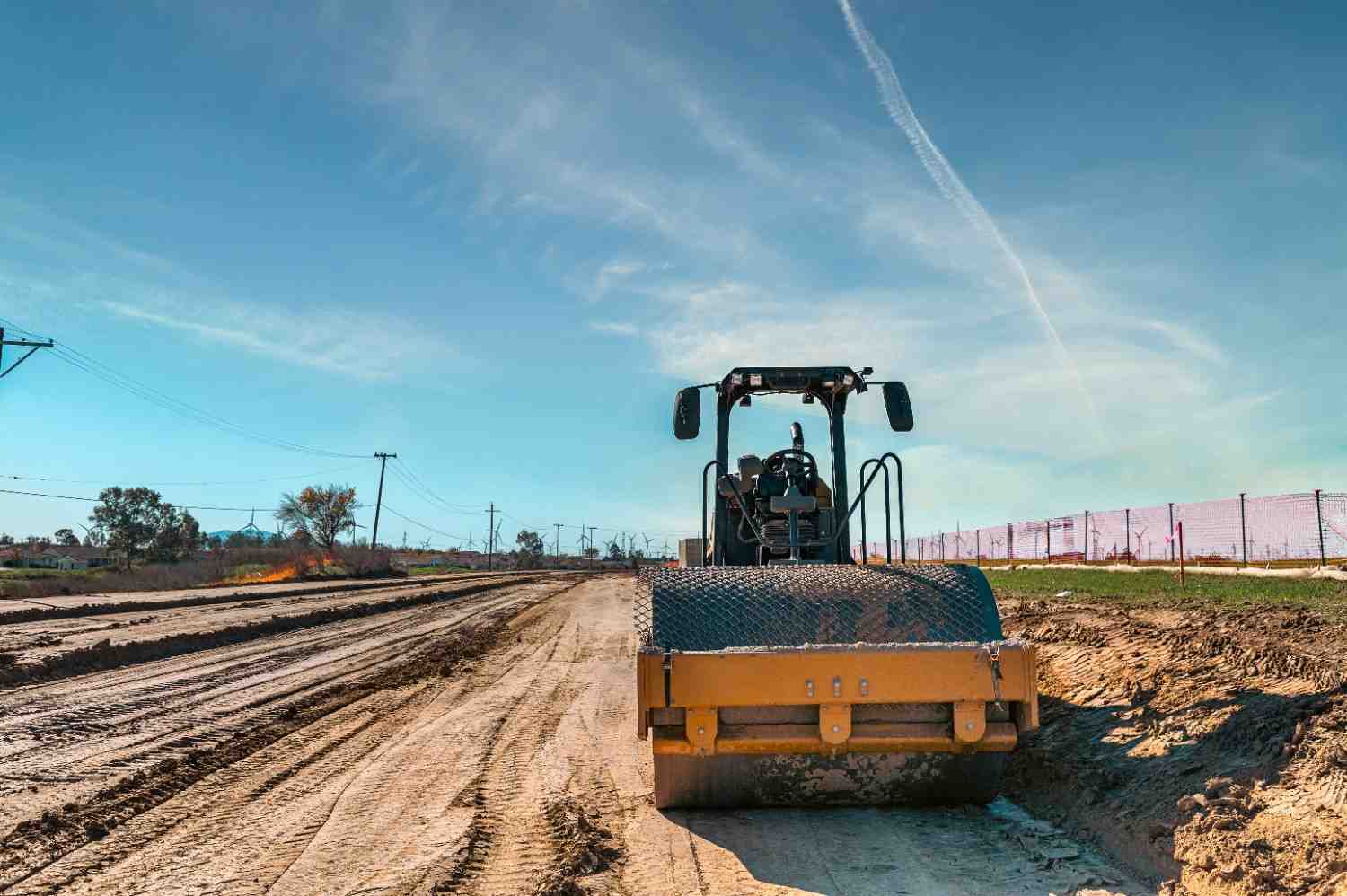
- Compaction: rolling or tamping the ground in layers so it carries load evenly and resists later settlement
- Granular fill: replacing weak material with imported gravel or crushed rock to build a firmer working platform
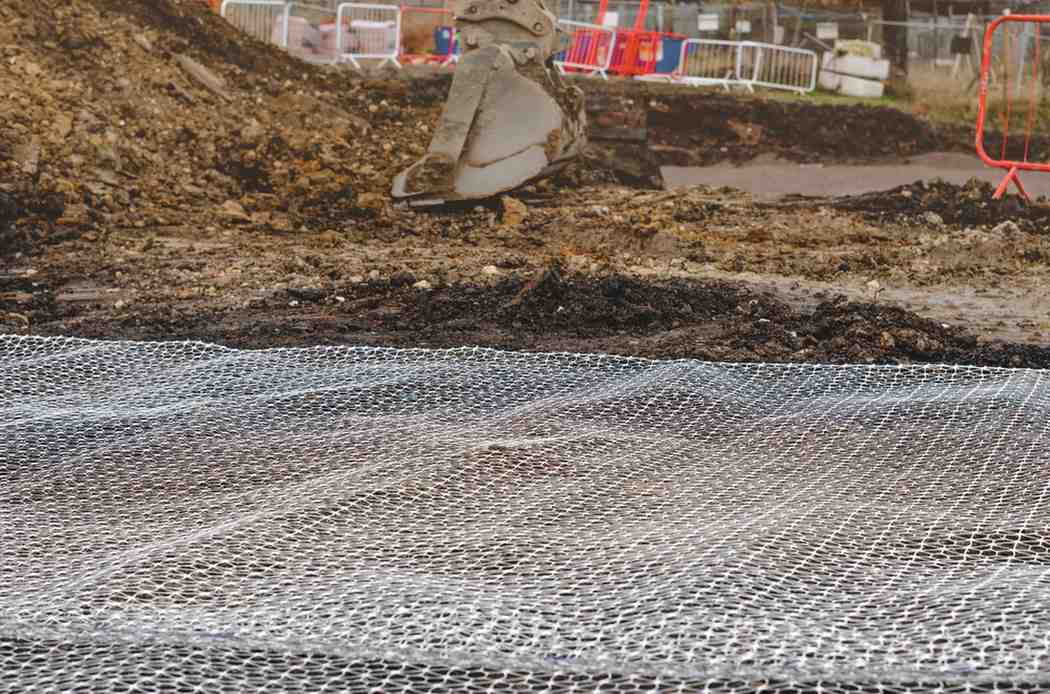
- Geotextile separation: laying fabric between soft soil and fill so the two do not mix and the base stays stable over time
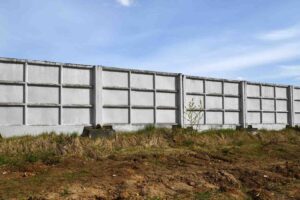
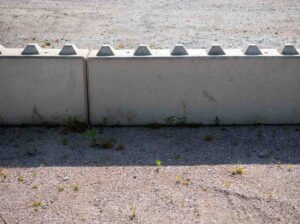
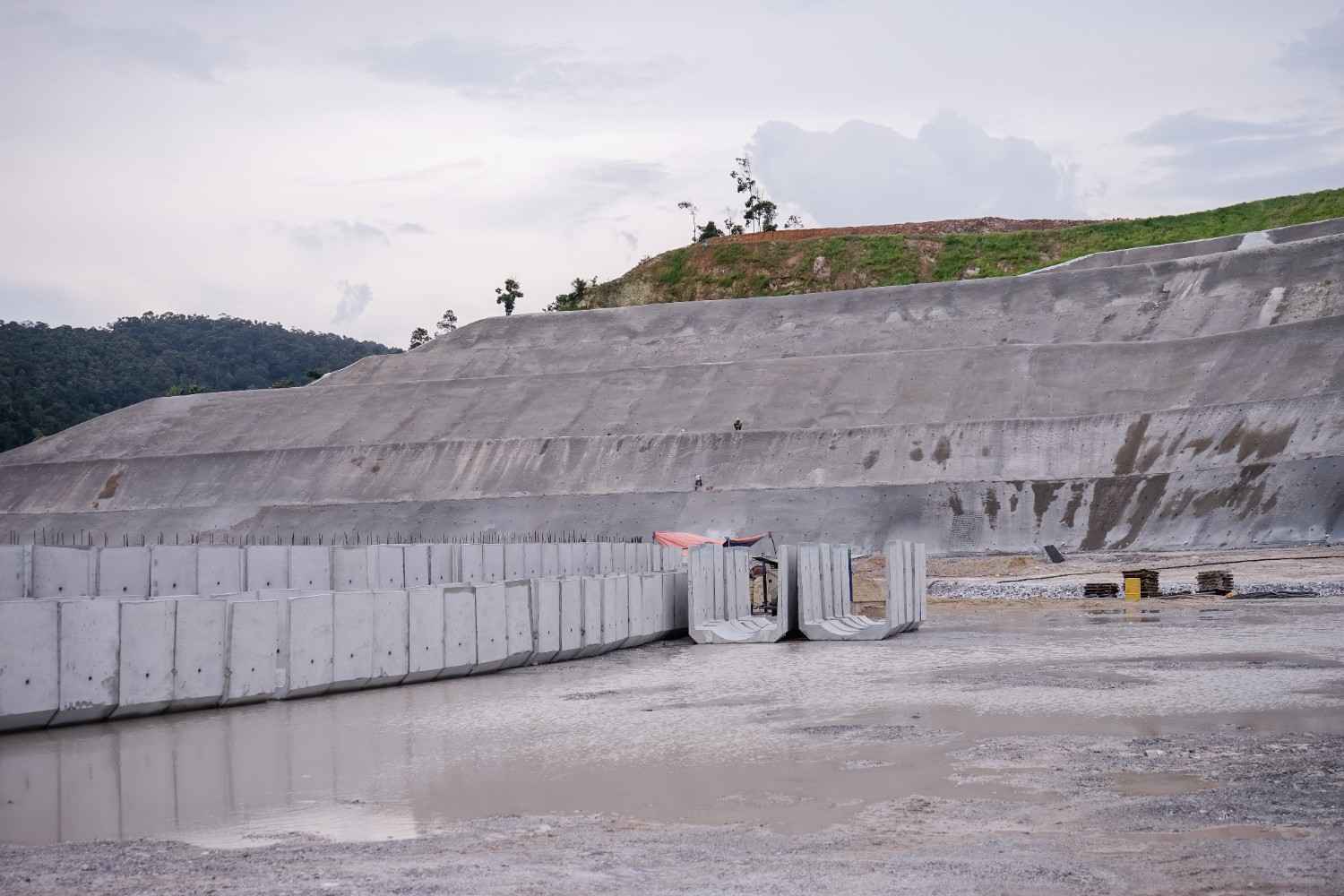
- Engineered retaining structures: holding worked ground in place with a precast block wall where levels change or loads concentrate
Done in the right order, that work leaves you with a level, load-ready platform before the build begins. Stabilising the ground first also means the wall design can be finalised with confidence, because the engineer is working from known conditions rather than guesses.
Where Precast Retaining Walls Earn Their Place
Once the ground is worked and holding, the retaining structure keeps those levels in place for the long term. This is where precast concrete blocks come in: they arrive cured and ready to place, with no formwork to build or pour to cure on site. A poured in situ wall ties up the site through that curing window, and timber has a shorter service life in the wet, reactive ground common across South-East Queensland.
Precast retaining walls sidestep both by curing back at the factory, not on your critical path. For builders lining up a spring programme on the Gold Coast, InfraBlock manufactures and supplies its full precast range locally, so supply stays close and predictable when the season tightens.
The Cost of Leaving Groundwork Too Late
The projects that slip are rarely the ones with a hard build problem. They are the ones where soft ground surfaced late, after excavation had started, when reworking it meant stopping a crew that was already on the clock. Sorting the ground now turns that unknown into a fixed quantity while the schedule is still yours to control.
It also means your materials can be locked in against confirmed levels rather than a moving target. InfraBlock’s precast concrete blocks are made to order and manufactured locally, so scheduling them early keeps supply from stalling the build once the season lifts.
Frequently Asked Questions
Why does the ground need work before construction starts?
Because most sites will not carry a build safely in their natural state. Loose, soft or moisture-heavy ground shifts under load, so it has to be firmed up and levelled first. Skipping that step is one of the most common reasons a wall or footing fails within a few years.
How do you deal with reactive clay before a build?
Reactive clay is managed by controlling moisture and building a firm working layer over it. That typically means compaction, a granular fill platform, and drainage that keeps water away from the clay so it is not constantly swelling and shrinking. An engineer will usually specify the exact approach based on a soil test.
Can this work be done in early spring, or is it too late?
Early spring can still work, but the earlier the better. Dry, settled ground is quicker and cheaper to work than saturated ground, so the same job takes less effort now than it will once the wet sets in. Getting in before the build calendar fills also makes the trades you need easier to line up.
Does a flat, level block still need ground work?
Often, yes. A site can look level and still have soft, moisture-prone or poorly compacted soil underneath that will not carry a build reliably. Flatness is about the surface, while stability is about what the ground does under load.
Why Gold Coast Builders Choose InfraBlock for Spring-Ready Ground Works
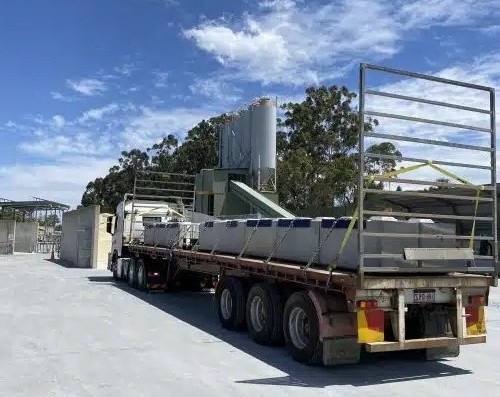
InfraBlock is the Gold Coast’s local manufacturer and supplier of precast concrete blocks for builders getting their sites ready ahead of spring. We produce our full range here in South-East Queensland, which means short lead times, certified product, and supply you can plan around when the season starts to move. Our focus is simple: have the right blocks ready the moment your ground is.
For structural and civil work, our Large Interlocking Blocks deliver the mass and load capacity that heavier retaining jobs demand, while our Smooth Large Interlocking Blocks offer the same performance with a cleaner finished face where appearance matters. Every block leaves us certified to AS 4678, with documentation ready for your engineer and council submission. We would rather be the supplier who helped you start the season ahead than the one you called once it had already slipped.
Get Your Site Ready Before the Spring Rush
The window to sort your groundwork on your own terms is open now and closes as the season fills up. Every job that gets its ground right early is one less job fighting for a contractor in October. InfraBlock is your local precast concrete supplier on the Gold Coast, ready to back that groundwork with reliable block supply from planning through to delivery.
Request a quote or talk through your site with our team today. Call 0478 102 201 or email info@infrablock.com.au, and we will help you get your blocks locked in before the spring build season arrives.