One compliance oversight on a commercial retaining wall project can unravel an entire build schedule. For builders and developers across Queensland, understanding the regulatory requirements before breaking ground is the difference between a smooth approval and a costly delay. Whether you’re planning a subdivision, a civil infrastructure scope, or a large commercial development on the Gold Coast, retaining wall compliance in QLD carries specific thresholds, engineering obligations, and council requirements that every project must meet in 2026.
Why Compliance Matters More for Commercial Retaining Walls
Residential and commercial retaining walls are not treated the same way under Queensland regulations. Commercial projects typically involve greater wall heights, higher surcharge loads from vehicles or machinery, proximity to structures, and more complex drainage requirements, all of which trigger stricter compliance obligations.
Getting compliance wrong on a commercial project isn’t just a paperwork problem. Non-compliant walls can fail inspections, stall DA approvals, require costly rebuilding, and expose builders to liability after handover. For Queensland commercial construction in 2026, early compliance planning isn’t optional — it’s a core part of project delivery.
The Regulatory Framework: What Applies in Queensland
Commercial retaining wall construction in QLD is governed by a combination of Australian Standards, state legislation, and local council requirements. The key frameworks builders need to understand are:
- AS 4678 — Earth Retaining Structures: The primary Australian Standard covering design, materials, and structural performance for retaining walls. All commercial retaining wall projects in Queensland are expected to meet AS 4678, and InfraBlock’s precast concrete blocks are manufactured to this standard with documented certification ready for submission
- Queensland Development Code (QDC): Sets out building work requirements across Queensland, including provisions relevant to retaining structures and site drainage
- Building Act 1975 (Qld): Governs building approvals and certifier sign-off for retaining walls that meet certain height thresholds
- Gold Coast City Council requirements: For projects on the Gold Coast, council-specific provisions apply on top of state requirements, including hydraulic assessments for walls in flood-affected or drainage-sensitive areas
- QBCC licensing: All retaining wall construction work in Queensland must be carried out by a licensed builder under the QBCC framework
Understanding which of these applies to your project scope is the starting point for any compliant commercial retaining wall build in Queensland.
Height Thresholds and When Approval Is Required
Wall height is the primary compliance trigger for retaining wall projects across Queensland. The general thresholds builders need to know are:
- Under 1 metre: Retaining walls under one metre in height typically fall outside building approval requirements in Queensland, though drainage obligations and boundary setback rules still apply
- 1 metre and over: Walls at or above one metre generally require a building approval and, for commercial projects, engineering input from a qualified structural engineer
- Over 1.5 metres: At this height, the complexity of structural and drainage design increases significantly, and engineering certification becomes a firm requirement for commercial retaining wall construction in Queensland
- Walls near boundaries or structures: Proximity to property boundaries, existing buildings, easements, or underground services can trigger approval requirements regardless of height
For commercial projects on the Gold Coast, checking height and location against both council and state requirements before lodging any approval is essential.
Engineering Requirements for Commercial Projects
Structural engineering is a non-negotiable part of compliant commercial retaining wall construction above the relevant height thresholds. A qualified structural engineer is required to:
- Design the wall to handle the specific surcharge loads of a commercial site, including machinery, vehicle traffic, and stored materials
- Specify appropriate footing depth and type for site soil conditions
- Confirm drainage design meets hydraulic requirements and won’t redirect water onto neighbouring properties
- Certify the completed structure meets AS 4678 and any project-specific design parameters
- Provide documentation for council approval and QBCC compliance
Engaging your structural engineer early in the project planning phase, ideally during the autumn planning window before winter builds begin, keeps council approval for retaining walls on the Gold Coast on track and prevents costly delays. Pre-engineered precast concrete blocks reduce the engineering burden considerably, as structural performance is already certified at the manufacturing stage, streamlining the sign-off process.
Drainage Compliance: A Critical Commercial Obligation
Drainage is where many commercial retaining wall projects in Queensland run into compliance issues. Queensland’s wet season delivers sustained, intense rainfall, and any commercial retaining wall that redirects stormwater onto an adjoining property or public land creates both a regulatory and a legal problem.
Commercial retaining wall drainage requirements in QLD include:
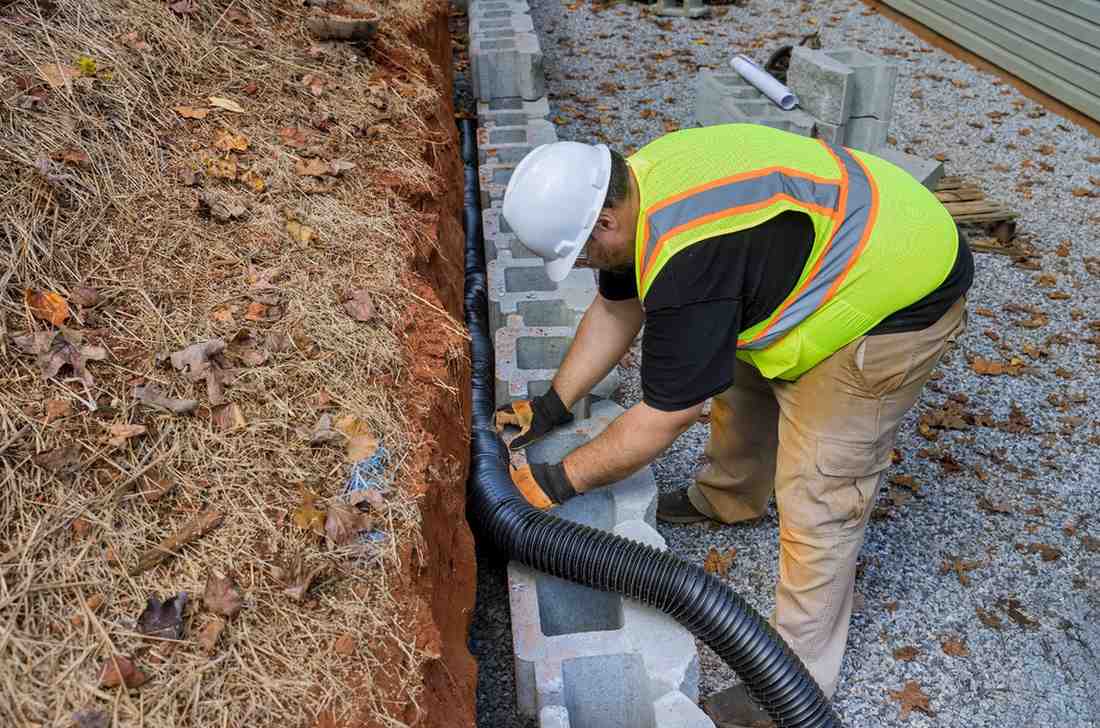
- Gravel or free-draining backfill directly behind the wall to manage hydrostatic pressure
- Weep holes or perforated drainage pipes at the base of the wall to redirect groundwater away from the structure
- Geotextile fabric to prevent soil migration into drainage components
- Surface drainage channels to intercept and manage runoff at the top of wall
- Hydraulic assessment for walls in Gold Coast council flood mapping areas or sites with significant slope or catchment
For commercial projects heading into winter construction on the Gold Coast, drainage systems should be installed and tested before the wet season returns. Walls built without adequate drainage are among the most common causes of retaining wall failure, and in a commercial context, that failure carries significant liability.
The Winter Planning Advantage for Commercial Compliance
Autumn and winter are when Queensland’s most compliant commercial retaining wall projects get done, and there are practical reasons for that beyond just weather.
For builders managing retaining wall compliance in Queensland, the dry season delivers:
- Stable ground conditions for accurate excavation, footing placement, and drainage installation
- Easier engineering assessments with dry, accessible sites that allow soil testing and survey work to proceed without delay
- Council approval lead times that are easier to manage when projects aren’t competing with post-wet-season backlogs
- Reliable material supply from a trusted local manufacturer like InfraBlock before peak construction demand returns in spring
- Contractor availability during the quieter construction months, keeping project schedules intact
Projects that plan retaining wall compliance and engineering in autumn are consistently the ones that break ground and complete on schedule in winter. Building approval lead times, engineering sign-off, and certifier engagement all have fixed timeframes, and getting ahead of those during autumn and winter retaining wall construction keeps your commercial build on schedule.
Precast Concrete and Compliance Confidence
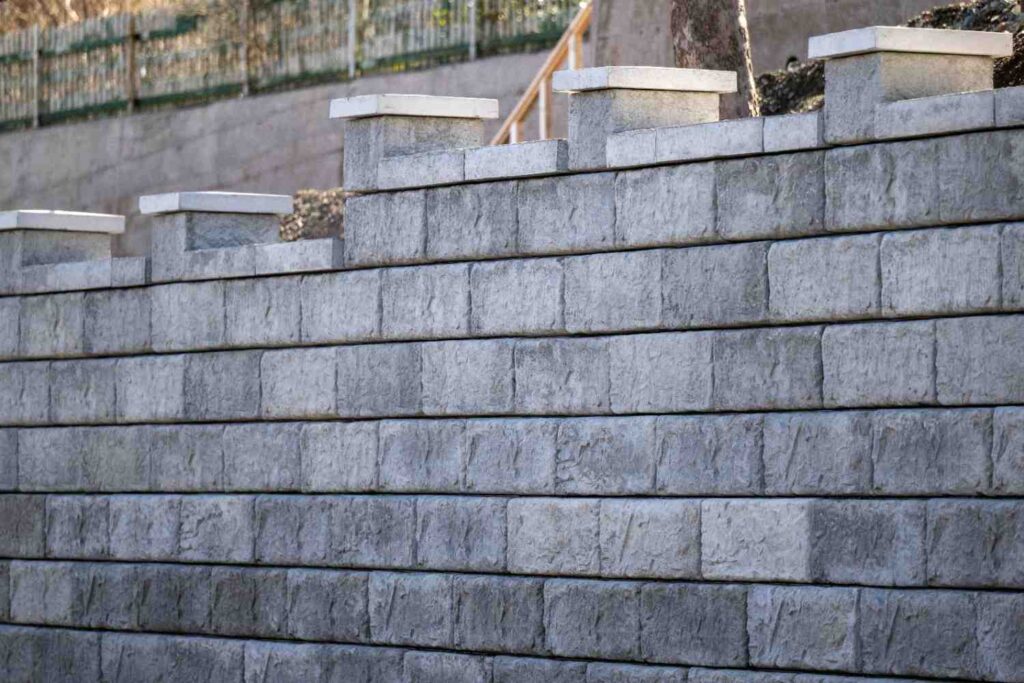
Material choice has a direct impact on your retaining wall compliance process. For commercial projects in Queensland, precast concrete retaining wall blocks offer a significant compliance advantage over poured-in-place alternatives.
Pre-engineered precast blocks arrive with:
- Documented AS 4678 structural certification
- Consistent compressive strength that meets or exceeds commercial load requirements
- Integrated drainage compatibility, including weep hole positioning and geotextile interface design
- Engineering specifications ready for submission to council and certifiers
That documentation package reduces the time and cost of getting Gold Coast retaining wall compliance approvals across the line. For projects where council requirements add hydraulic and drainage compliance on top of state obligations, having pre-certified materials from the start is a tangible advantage. Factory-controlled production removes the curing variables that can compromise structural compliance when poured concrete is used in Queensland’s unpredictable seasons.
Frequently Asked Questions
Do I need a permit for a commercial retaining wall in Queensland?
Yes, in most cases. Commercial retaining walls at or above one metre in height require a building approval in Queensland, along with engineering certification from a qualified structural engineer. Walls below one metre may not require a building approval but are still subject to drainage obligations and boundary setback requirements. Gold Coast City Council requirements also apply in addition to state regulations. Engaging a licensed building certifier early is the most reliable way to confirm what approval pathway applies to your scope.
What height retaining wall requires an engineer in Queensland?
For commercial projects, structural engineering input is required for retaining walls at or above one metre in height, and becomes a firm requirement above 1.5 metres. The engineer must design the wall to handle site-specific surcharge loads, confirm appropriate footing design, and certify drainage compliance. Pre-engineered precast concrete blocks can reduce the engineering documentation burden, as structural performance certification is already completed at the manufacturing stage.
What are the drainage requirements for commercial retaining walls in Queensland?
Commercial retaining walls in Queensland must be designed to manage hydrostatic pressure and prevent stormwater from being redirected onto neighbouring properties or public land. This typically requires free-draining gravel backfill, weep holes or perforated drainage pipes at the wall base, geotextile fabric behind the wall face, and surface drainage channels to intercept runoff. Gold Coast projects in flood-mapped areas or with significant drainage impact may also require a hydraulic assessment as part of the building approval process.
Does a commercial retaining wall need to be certified in Queensland?
Yes. Commercial retaining walls above the relevant height thresholds require certification from both a structural engineer and a licensed building certifier. Engineering certification confirms the wall design meets AS 4678 and handles the specific load conditions of a commercial site. Building certification confirms the completed structure was built in accordance with approved plans and meets all Queensland building code and council requirements before handover.
Can precast concrete retaining walls meet Queensland compliance requirements?
Yes, and they are among the most straightforward materials to get through the compliance process. Pre-engineered precast concrete retaining wall blocks are manufactured to AS 4678 and arrive with documented structural certifications that simplify both engineering sign-off and council approval. Their consistent compressive strength and factory-controlled production make them well suited to commercial retaining wall compliance requirements across Queensland and the Gold Coast.
What happens if a commercial retaining wall is not compliant in Queensland?
Non-compliant commercial retaining walls in Queensland can result in stop work orders, demolition requirements, and significant fines from council. Builders can also face legal liability for property damage or safety incidents if a non-compliant wall fails after handover. Engaging a licensed engineer and certifier from the outset is the most reliable way to avoid these outcomes on any commercial retaining wall project in Queensland.
Why Choose InfraBlock for Commercial Retaining Wall Supply
InfraBlock is the Gold Coast’s leading manufacturer and supplier of precast concrete retaining wall blocks, trusted by builders, developers, and civil contractors managing commercial retaining wall construction across South-East Queensland. Every product in our range is manufactured to AS 4678 standards, with documented engineering specifications that streamline council approvals and reduce compliance risk on commercial projects of any scale.
Our Large Interlocking Blocks and Smooth Large Interlocking Blocks are purpose-built for heavy-duty commercial and civil scopes, delivering the structural mass and certified performance that Queensland’s regulatory requirements demand. With large-scale local manufacturing and consistent supply across South-East Queensland, InfraBlock’s precast concrete products ensure your commercial project has compliant retaining wall materials ready when your build schedule requires them, without the lead time uncertainty of sourcing from interstate suppliers.
Get Your Commercial Retaining Wall Project Compliance-Ready
Commercial retaining wall requirements aren’t something to work out mid-build. The approval process, engineering certification, and drainage design all need to be in place before construction begins, and autumn is the right time to get that groundwork done. InfraBlock supplies precast retaining wall blocks built to meet Queensland’s commercial retaining wall construction standards, with the documentation and local expertise to back every project up.
Request a quote today and lock in your precast retaining wall supply ahead of the winter build season. Call 0478 102 201 or email info@infrablock.com.au to get started.