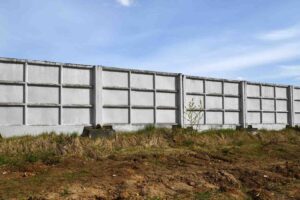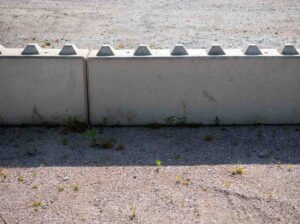
When heavy rain hits the Gold Coast, weak retaining structures don’t get a second chance. Flood-prone sites demand materials built for the worst Queensland can deliver, and large interlocking blocks for flood-prone areas are fast becoming the go-to solution for homeowners, builders, and civil contractors who can’t afford failure. Here’s what sets them apart for flood-zone projects, and why more Gold Coast builders are specifying them before the wet season hits.
Why Flood-Prone Sites Need More Than Standard Retaining Solutions
The Gold Coast’s wet season runs from December through March, regularly dumping hundreds of millimetres of rain within days. Saturated soils shift, hydrostatic pressure builds behind walls, and poorly specified materials crack, slide, or collapse entirely. Standard retaining blocks simply aren’t engineered for these conditions.
Flood-prone sites require flood-resistant building blocks that can absorb pressure, maintain alignment, and hold structure when surrounding ground is waterlogged. That’s where large interlocking concrete blocks offer a clear advantage over smaller, lighter alternatives, and why InfraBlock’s range is purpose-built for flood-prone sites.
What Makes Large Interlocking Blocks Effective for Flood Conditions
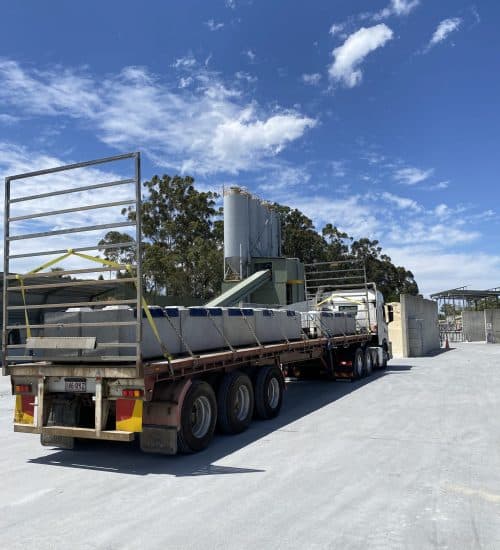
Every design feature of large modular blocks for infrastructure addresses a specific flood condition. Here’s why they perform where other systems fail:
- Mass and stability: The sheer weight of large retaining wall blocks for flood areas resists hydrostatic pressure and lateral soil movement, even under sustained saturation.
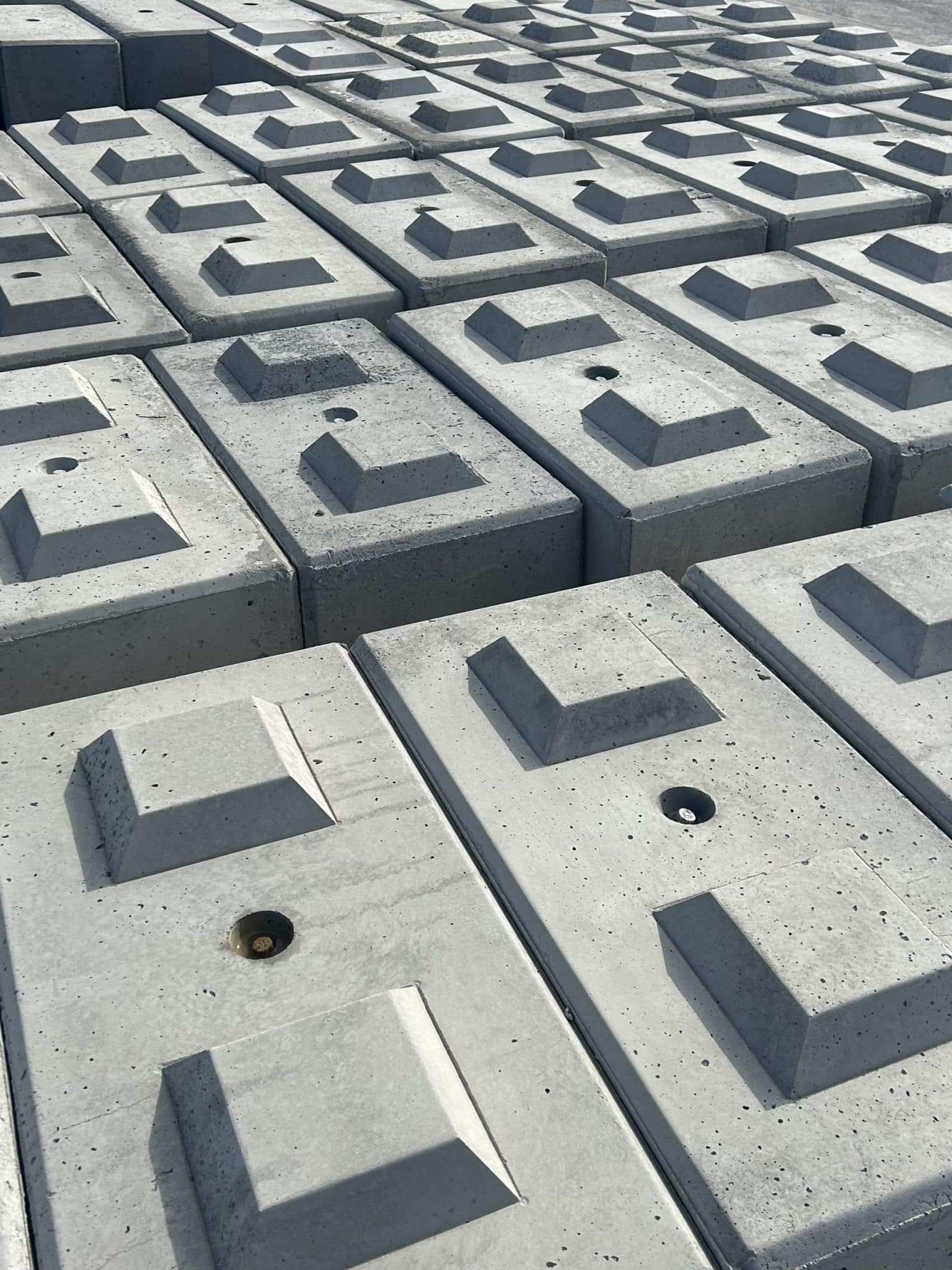
- Interlocking geometry: Each block locks into adjacent units, distributing load across the entire structure rather than concentrating stress on individual joints.
- No mortar required: Dry-stack installation means water moves through the system rather than undermining it, critical for interlocking concrete blocks for drainage on saturated sites.
- Rapid deployment: Precast blocks arrive on site ready to install, reducing exposure to wet-weather construction delays.
- Reusable and repositionable: Modular block systems for flood zones can be reconfigured as site conditions change, without demolition.
These characteristics make interlocking retaining blocks the right choice for residential and civil projects alike, exactly what InfraBlock’s range is built for.
Applications on Flood-Prone Gold Coast Sites
Large interlocking blocks for flood-prone areas perform across a wide range of project types. Common applications include:
- Retaining walls on sloped or waterlogged sites: where soil pressure intensifies during heavy rain and standard materials quickly deteriorate
- Erosion control along drainage channels: erosion control blocks for heavy rain stabilise embankments and prevent collapse during peak water flow
- Temporary and permanent flood barriers: flood-resistant retaining wall blocks can be staged quickly before storm events and made permanent where ongoing protection is needed
- Site subdivisions and batter stabilisation: large modular blocks define and protect cut-and-fill zones on challenging terrain
- Civil and infrastructure works: retaining wall blocks for heavy rain are widely specified for road corridors, stormwater channels, and utility compounds across Queensland flood zones, where InfraBlock’s large-scale manufacturing ensures reliable supply
Whether the project calls for modular concrete blocks on a residential boundary or large retaining systems on a civil drainage embankment, construction solutions for flood-prone sites need to meet the same core requirement: hold strong when the ground is working against you.
Drainage Integration: The Detail That Separates Good Systems from Failed Ones
A flood-resistant wall is only as good as its drainage design. Even the heaviest flood-proof construction materials will fail if water has nowhere to go.
For sites on the Gold Coast, that typically means:
- Gravel backfill immediately behind the wall to reduce hydrostatic pressure
- Weep holes or perforated drainage pipes to redirect groundwater away from the wall base
- Geotextile fabric to filter soil particles without restricting water flow
- Surface drainage channels to intercept runoff before it reaches the wall
Large interlocking blocks on the Gold Coast are compatible with all of these systems, and their modular profile makes integrating drainage components straightforward when proper drainage behind retaining walls is planned from the outset.
Meeting Queensland Council Requirements for Flood Zones
Infrastructure solutions in Queensland flood zones must satisfy strict regulatory requirements, and the Gold Coast is no exception. Gold Coast City Council enforces compliance with Australian Standard AS4678 for earth-retaining structures, along with hydraulic assessment requirements for flood-affected sites.
Precast interlocking blocks for flood-prone areas simplify this process, arriving with documented engineering specifications that remove uncertainty from approval. Key compliance considerations include:
- Engineering certification: walls over 1 metre typically require sign-off from a qualified structural engineer
- Hydraulic assessment: demonstrating the system handles expected water volumes without redirecting flow onto neighbouring properties
- AS4678 compliance: structural performance requirements for earth-retaining structures under saturated load conditions
Choosing pre-engineered flood control solutions on the Gold Coast from the outset reduces the risk of costly redesigns or delayed approvals, and getting your retaining wall build locked in before the March rain arrives makes all the difference.
Why Choose InfraBlock for Flood-Prone Sites
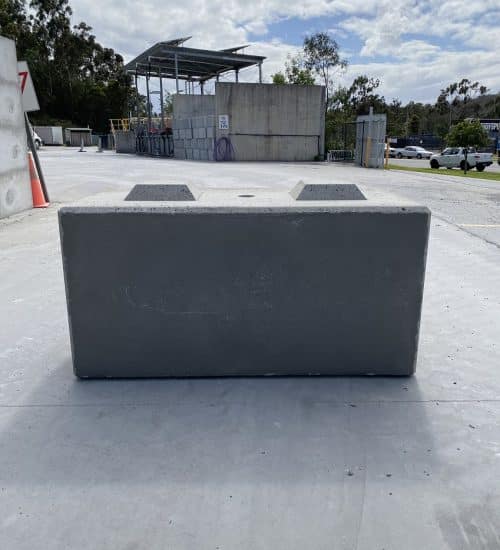
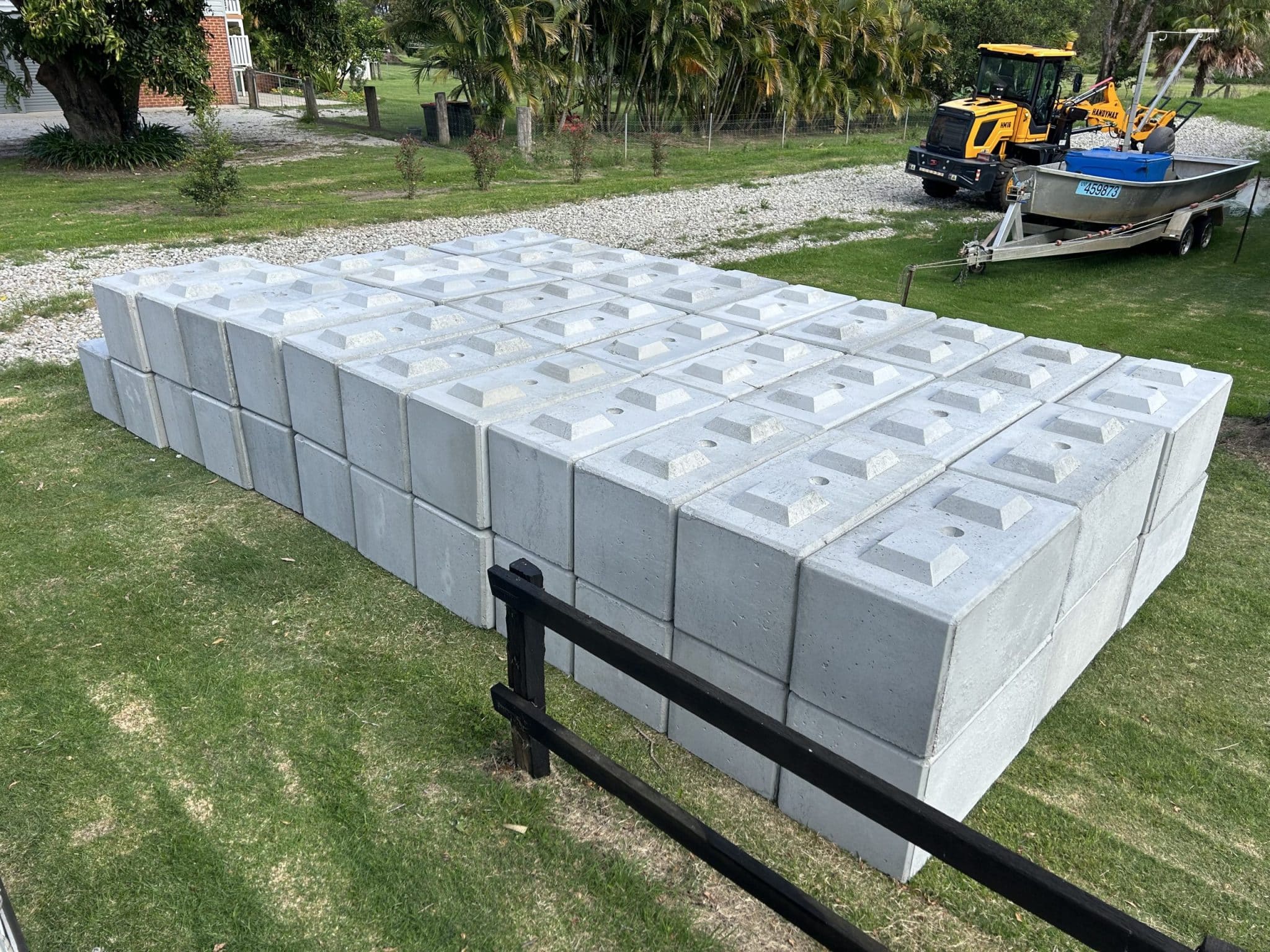
InfraBlock is the Gold Coast’s leading manufacturer and supplier of precast concrete blocks engineered for flood-prone sites and heavy rain conditions. Our Large Interlocking Blocks and Smooth Large Interlocking Blocks weigh approximately 1,500kg each, delivering the mass and structural stability that flood-zone projects demand. Both are built to Australian Standards (AS4678) with documented engineering specifications that simplify council approvals.
Every product is manufactured locally at scale, ensuring consistent supply across South-East Queensland even during peak wet season demand. Our sustainable production process uses low-carbon and recycled concrete mixes, reducing environmental impact without compromising structural performance. From specification through to installation, InfraBlock’s team provides expert guidance including support navigating Gold Coast council requirements for flood-prone zones.
Don’t Wait for the Next Flood Event
Flood-proof construction materials need to be in place before the wet season arrives, not after the damage is done. Large interlocking blocks for flood-prone areas deliver the mass, drainage integration, and structural reliability that Gold Coast sites demand when March rains test every retaining system on the property. InfraBlock’s precast block range is built specifically for these conditions.
Get your flood-zone project sorted before the next storm season hits. Call 0478 102 201 or email info@infrablock.com.au to request a quote and get your site protected before the wet season arrives.