More Queensland homeowners, builders, and commercial developers are turning to precast concrete construction as a smarter alternative to traditional building methods, and it is easy to see why. Precast concrete homes in Queensland offer structural durability, faster build times, and long-term cost advantages well suited to the state’s demanding climate and growing commercial sector. Whether you are planning a residential build on the Gold Coast or scoping a development across South-East Queensland, here is what precast concrete housing actually delivers.
What Is Precast Concrete Construction?
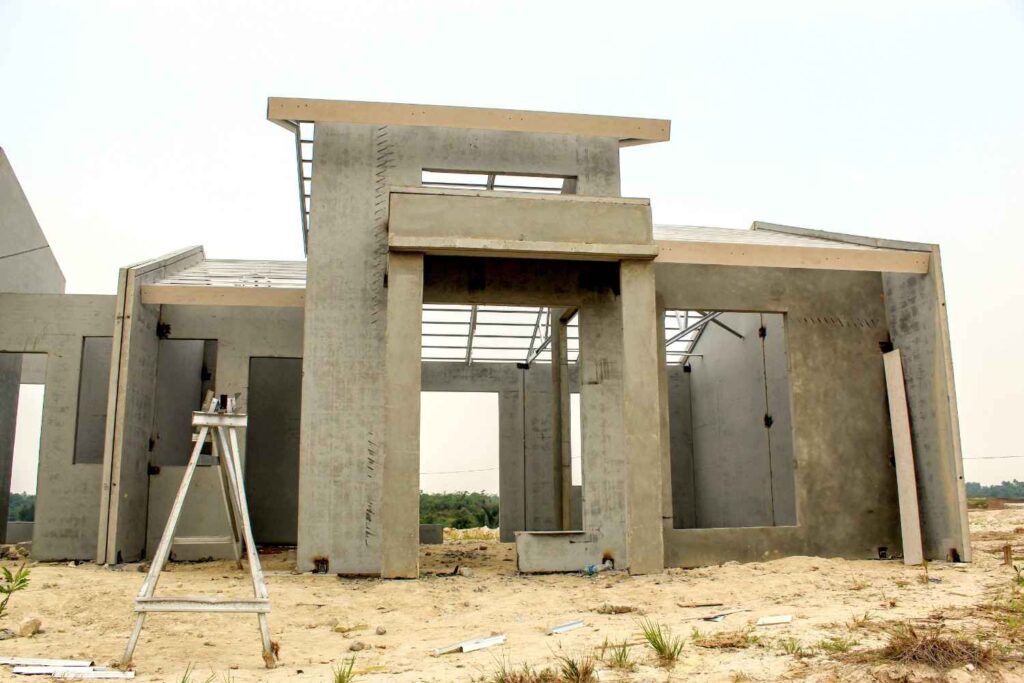
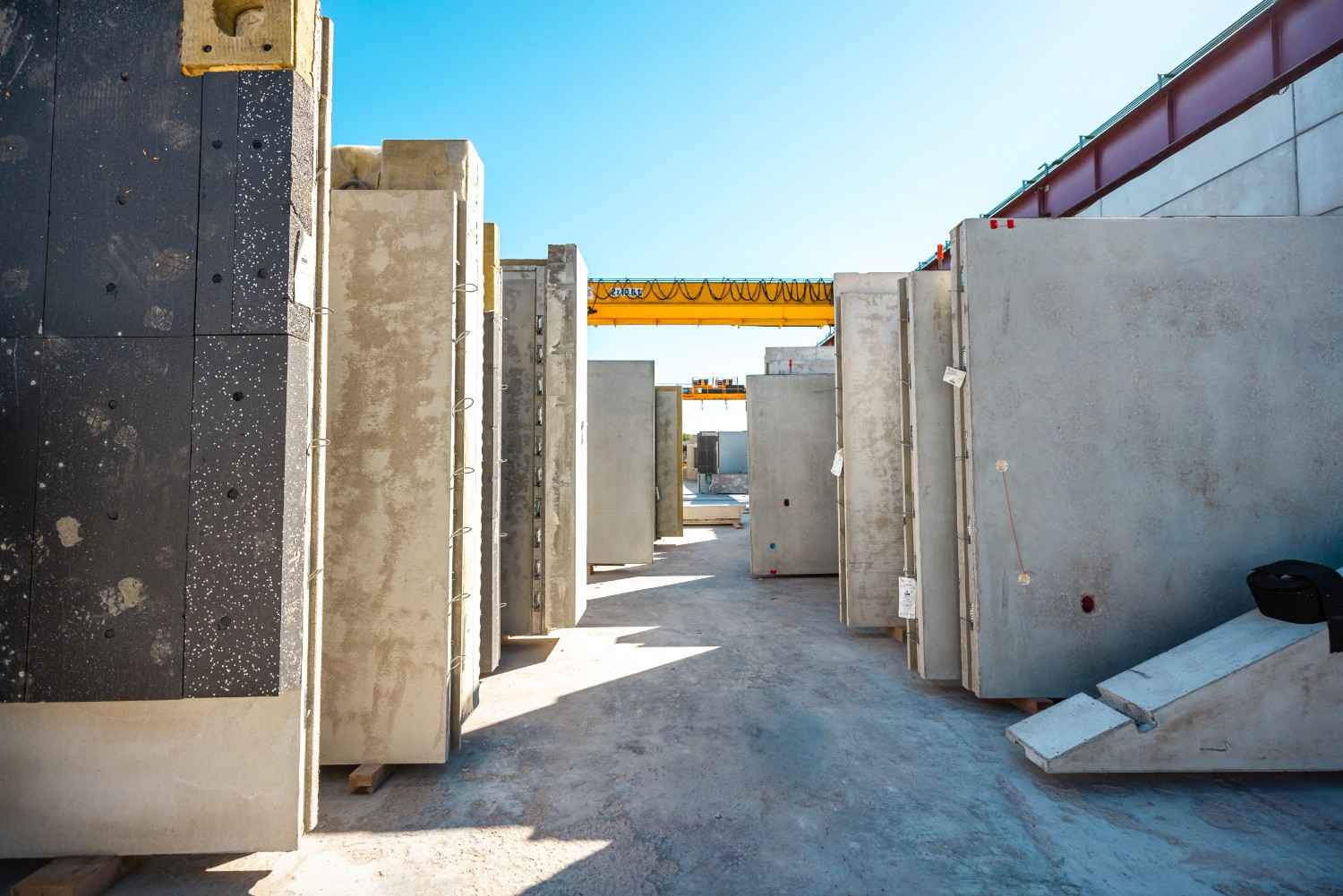
Precast construction involves manufacturing concrete panels off-site in a controlled environment, then transporting them to site ready for installation. Unlike poured concrete, which is mixed and cast on location, precast panels are cured under precise conditions before they arrive on site. That distinction matters more in Queensland than almost anywhere else in Australia, where the wet season, coastal humidity, and high temperatures make on-site concrete work unpredictable.
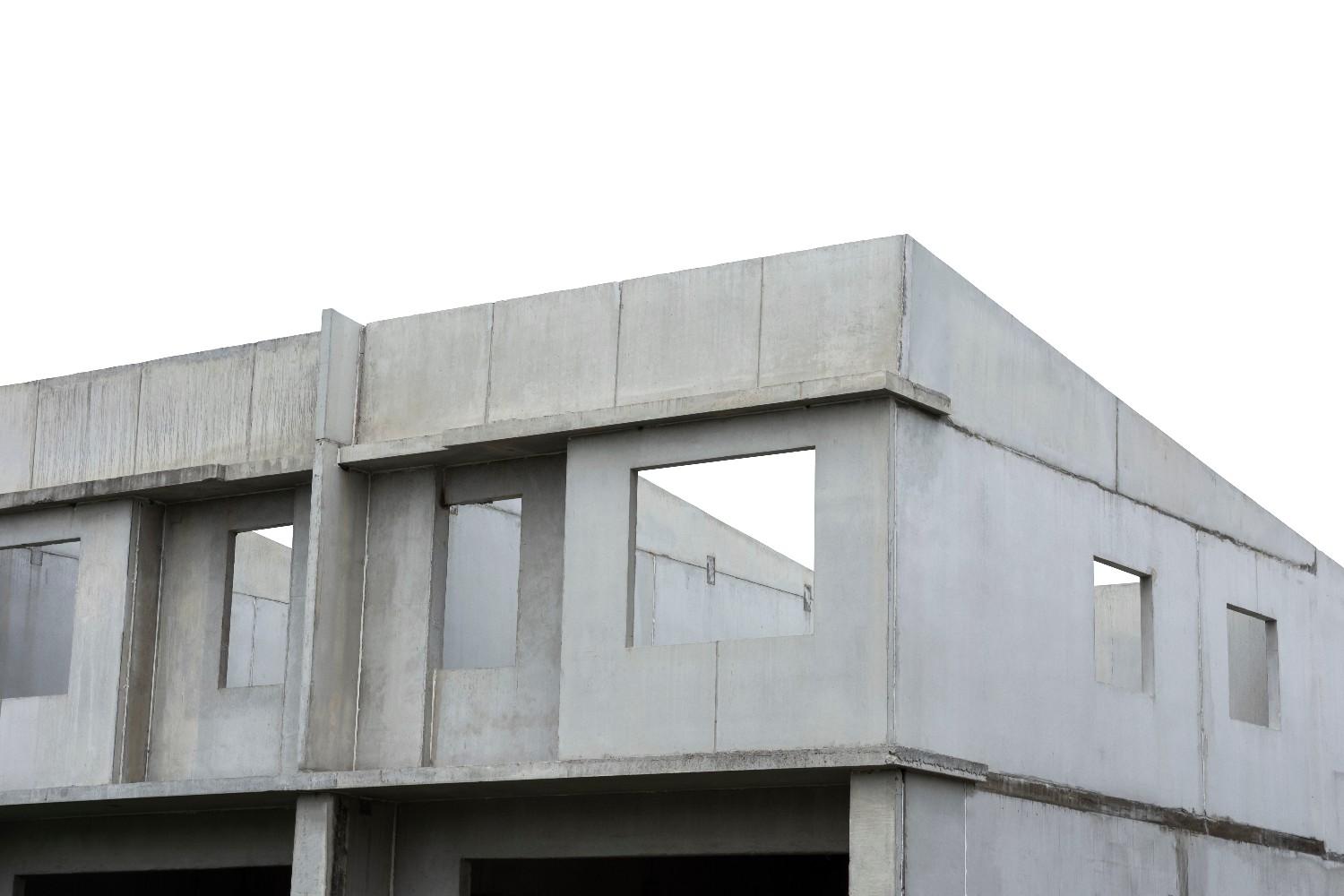
Precast concrete housing removes most of that variability from the equation. Panels arrive already cured, structurally certified, and ready to place, meaning faster lock-up and fewer weather-related delays for residential builds. For commercial precast construction in Queensland, the advantage compounds across multi-stage projects where schedule slippage carries real financial cost.
How Precast Concrete Performs in Queensland’s Climate
Queensland’s warm, humid summers, mild winters, storm events, and coastal salt exposure make it one of the strongest arguments for precast concrete builds on the Gold Coast and across South-East Queensland.
Precast concrete handles all of these conditions well:
- Thermal mass: Concrete absorbs and stores heat during the day and releases it gradually, moderating internal temperatures without heavy reliance on air conditioning. In Queensland’s mild winters, this keeps homes comfortable with minimal heating
- Moisture resistance: Unlike timber framing, precast concrete panels don’t swell, rot, or harbour mould in high-humidity conditions
- Termite resistance: Queensland’s termite pressure is significant, particularly in coastal and hinterland areas. Concrete offers no food source and no entry point for subterranean termites
- Storm and cyclone resilience: Precast panels are dense, reinforced, and engineered to handle lateral wind loads, making precast concrete for coastal homes one of the most resilient building choices available in South-East Queensland
- Acoustic performance: The density of precast concrete significantly reduces noise transfer, an increasingly valued feature in Gold Coast residential and mixed-use developments
Precast construction is not a new concept in Queensland’s commercial sector — it has been the default for large-scale civil and industrial builds for decades. What’s shifted is the growing recognition among residential builders, developers, and commercial contractors that the same performance long relied on in Queensland’s commercial sector is now equally achievable across projects of every scale.
Precast Concrete vs Traditional Construction: How Do They Compare?
One of the most common questions from Queensland homeowners is how precast concrete stacks up against brick veneer or timber frame. As how precast concrete compares to traditional methods shows, precast wins on most performance metrics with upfront cost being the main trade-off to weigh.
| Factor | Precast Concrete | Traditional Construction |
| Construction speed | Fast, panels installed in days not weeks | Slower, trades work sequentially on-site |
| Weather dependency | Low, cured off-site and unaffected by rain | High, delays common during Queensland’s wet season |
| Durability | 50-100+ years with minimal maintenance | Variable, timber degrades faster in humid climates |
| Thermal performance | High thermal mass, naturally regulates temperature | Lower, requires additional insulation layers |
| Termite resistance | Excellent, concrete offers no food source | Timber frames are highly vulnerable |
| Noise reduction | Superior acoustic performance | Moderate, depends heavily on insulation |
| Upfront cost | Higher panel cost, offset by faster build | Lower upfront but more on-site labour cost |
| Long-term maintenance | Very low | Higher, painting, pest treatment, and repairs |
For Queensland builds specifically, the climate performance gap between precast and traditional construction is wider than the national average. Timber frames and brick veneer deal poorly with sustained humidity, coastal salt exposure, and the thermal cycling that comes with South-East Queensland’s seasons. Concrete panel homes are simply better suited to where they are being built.
What Do Precast Concrete Builds Cost in Queensland?
Precast concrete housing in Queensland costs more upfront than a standard timber-frame build, and any honest assessment of whether precast builds are worth it in Australia needs to acknowledge that directly.
The factors that influence precast home costs include site access (crane equipment is required for panel placement), design complexity, panel finishes, and transport distance. For Gold Coast builds, proximity to a local precast supplier reduces one of the bigger cost variables.
Where the value calculation shifts is over the life of the home:
- Faster construction: fewer months paying rent or carrying dual costs during a build
- Lower maintenance: no repainting cycles, no termite treatments, no rotting fascia boards
- Energy efficiency: reduced heating and cooling loads translate to lower ongoing power bills
- Durability: a well-built precast concrete build on the Gold Coast will outlast most traditional alternatives with minimal intervention
- Insurance: concrete homes typically attract lower premiums due to their fire resistance and structural integrity
For commercial precast construction in Queensland, the cost equation tips more decisively. Speed of construction reduces holding costs, factory-certified panels streamline council approvals, and the scalability of precast systems makes them the preferred choice for multi-unit residential, mixed-use, and civil developments across Queensland, and working with a local supplier like InfraBlock helps keep product availability consistent and lead times short.
Why Autumn and Winter Are the Right Time to Plan a Precast Build
Queensland’s cooler, drier months between April and August create the best conditions for both planning and executing a precast concrete build. Ground conditions are more stable, site access is easier, and supplier lead times tend to be shorter before the summer construction rush.
For anyone considering precast housing in Queensland, winter planning delivers a compounding advantage:
- Engineering and approvals: can be processed without wet season delays
- Material orders: can be locked in before peak demand lifts lead times
- Site preparation: excavation, footings, and drainage is more accurate on dry, stable ground
- Construction timelines: are easier to hold when weather isn’t working against every trade on site
Builders and developers working across South-East Queensland know that the projects which run smoothly in spring are the ones that started planning in winter. For precast concrete housing, factory scheduling and transport logistics add lead time, so getting your order confirmed in the cooler months is the smartest move you can make. Exploring InfraBlock’s precast concrete range early gives builders and developers a clear picture of available block and product options before the build season begins.
Precast Concrete for Commercial Developments in Queensland
The commercial case for precast construction in Queensland is well established. Developers across the Gold Coast and broader South-East Queensland have been specifying precast for multi-unit residential, mixed-use precincts, aged care facilities, education buildings, and civil infrastructure for decades, and for good reason.
Commercial precast construction delivers:
- Consistent quality at scale: Factory production means every panel meets the same structural specification, regardless of site conditions or weather
- Faster project timelines: Simultaneous off-site manufacturing and on-site preparation compress overall build schedules significantly
- Compliance confidence: Pre-certified panels simplify engineering sign-off and reduce the documentation burden during council approvals
- Design flexibility: Precast concrete panels can be produced in a wide range of finishes, profiles, and sizes to meet architectural specifications
- Scalability: Large-format precast systems allow commercial projects to move quickly once panels are on site, reducing crane time and labour costs
For Gold Coast developers managing multi-stage projects, precast concrete structures allow downstream trades to follow closely behind installation, with no curing delays holding the next stage back.
Why Choose InfraBlock for Your Precast Concrete Supply
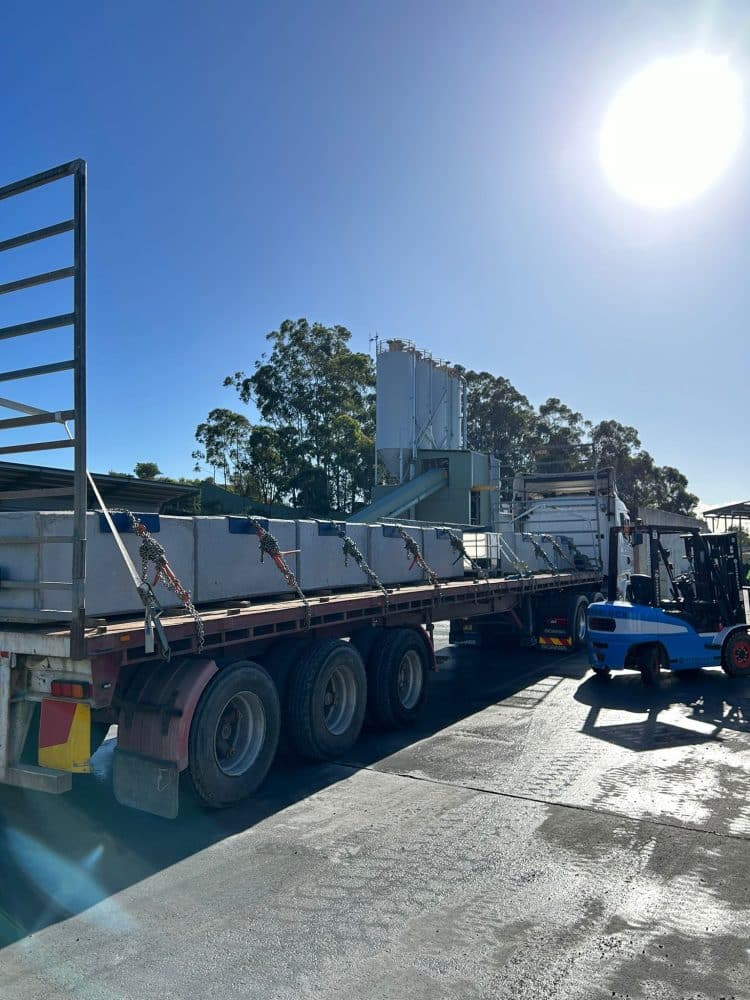
InfraBlock is the Gold Coast’s leading manufacturer and supplier of precast concrete products, trusted by builders, developers, and civil contractors across South-East Queensland to keep projects stocked with quality precast supply. We manufacture our full product range locally, which means consistent product availability, shorter lead times, and hands-on support at every stage from the moment your order is confirmed through to delivery on site.
From Large Interlocking Blocks for civil and commercial applications to Curvature Retaining Blocks for residential and landscape projects, every product is built to AS4678 standards using sustainable mixes that incorporate recycled aggregates. Each product leaves our facility certified, documented, and ready to perform in Queensland’s conditions, giving builders and developers the supply confidence they need to keep projects moving on schedule.
Frequently Asked Questions
Are precast concrete homes good for winter in Queensland?
Yes, and Queensland’s mild winters are a big part of why. Concrete’s thermal mass retains warmth during cooler nights and moderates daytime temperatures without heavy reliance on heating. Off-site manufacturing also means winter rainfall doesn’t delay panel production — they arrive on site cured and ready to install regardless of what the weather is doing.
Are precast homes more expensive than brick or traditional builds in Australia?
Generally, yes — upfront. However, the total cost picture is more balanced than the initial price suggests. Faster build times reduce holding costs, and precast homes require significantly less maintenance over their lifespan. For Queensland’s climate, the long-term savings on energy efficiency and upkeep often offset the higher entry cost within the first decade of ownership.
How long do precast concrete builds last in coastal areas like the Gold Coast?
Well over 50 years, with many engineered for a 100-year design life. Concrete resists the salt air, humidity, and UV exposure that accelerates deterioration in timber and steel. For Gold Coast homes close to the coast, that durability advantage over traditional building materials is one of the strongest arguments for precast construction.
Is precast concrete suitable for commercial developments on the Gold Coast?
Absolutely. Its speed of installation, factory-certified quality, and design flexibility make it the preferred choice for multi-unit residential, mixed-use, civil, and infrastructure projects across the Gold Coast and South-East Queensland. Pre-engineered panels simplify council approvals and allow commercial builders to move quickly from site preparation through to lock-up.
How does precast concrete perform in Queensland’s climate year-round?
Consistently well across every season. Its thermal mass moderates internal temperatures in both summer and winter, reducing reliance on air conditioning and heating. Its density resists moisture penetration during the wet season, and its non-organic composition means no termite pressure or mould growth — conditions Queensland’s humidity regularly creates for timber-framed homes. Coastal builds on the Gold Coast also benefit from concrete’s resistance to salt air and UV degradation year-round.
Ready to Discuss Your Precast Concrete Project?
Precast housing in Queensland delivers real value, structurally, financially, and over the long term. Whether you are a homeowner planning a coastal build on the Gold Coast or a developer scoping a commercial project across South-East Queensland, getting your precast concrete supply confirmed early is the smartest move you can make before your build season starts. For consistent local supply, certified products, and hands-on support at every stage, InfraBlock is the Gold Coast’s trusted precast concrete manufacturer and supplier.
Request a quote today and let our team help you plan your next precast construction project before the season fills up. Call 0478 102 201 or email info@infrablock.com.au and we’ll get your precast supply confirmed and ready for your build.