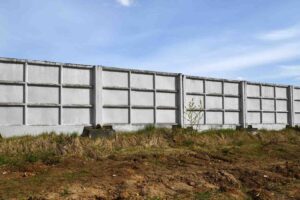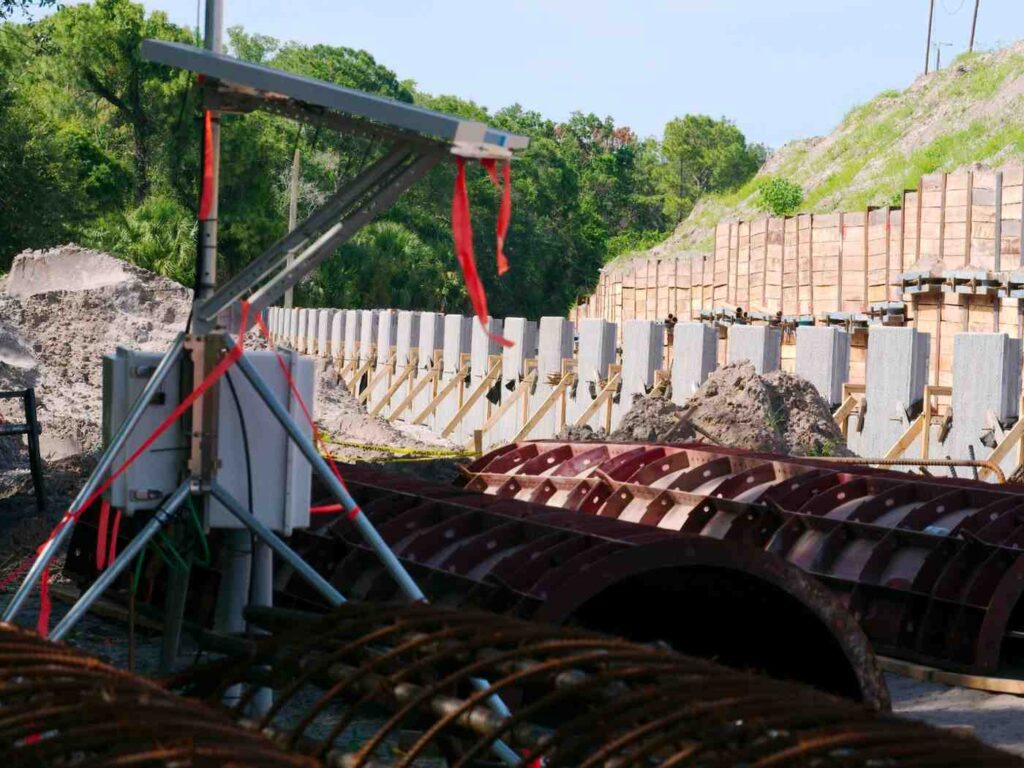
On a live civil site, the ground plan changes faster than the earthworks. Temporary retaining walls exist for exactly that reason, holding a batter, a stockpile or an access route in place for one phase of work and then moving on when the site does. Getting them specified well is the difference between a programme that flexes and one that stalls.
Where These Walls Fit on Active Civil Sites
Permanent walls get designed once and stay put. The temporary variety earns its place on projects where the site itself is still moving, which is most of civil construction at some stage of the build.
The common scenarios are all about holding ground through a phase rather than forever:
- Batter support during excavation: holding a cut face stable while deeper works go in below
- Staged cut and fill: retaining one level while earthworks progress across the rest of the site
- Haul roads and site access: supporting temporary access routes that shift as the project moves
- Laydown and hardstand: creating level, retained platforms for plant, materials or site offices
- Stockpile containment: walling off material on active road, rail, water and utilities jobs
Even a wall that only stands for a season has to satisfy the same engineering and council expectations as a permanent one, so it pays to know what Queensland asks of commercial retaining walls before the first block lands on site.
What Modular Systems Bring to Short-Term Works
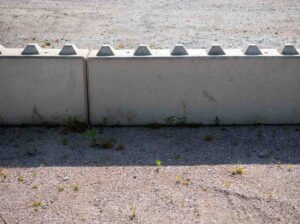
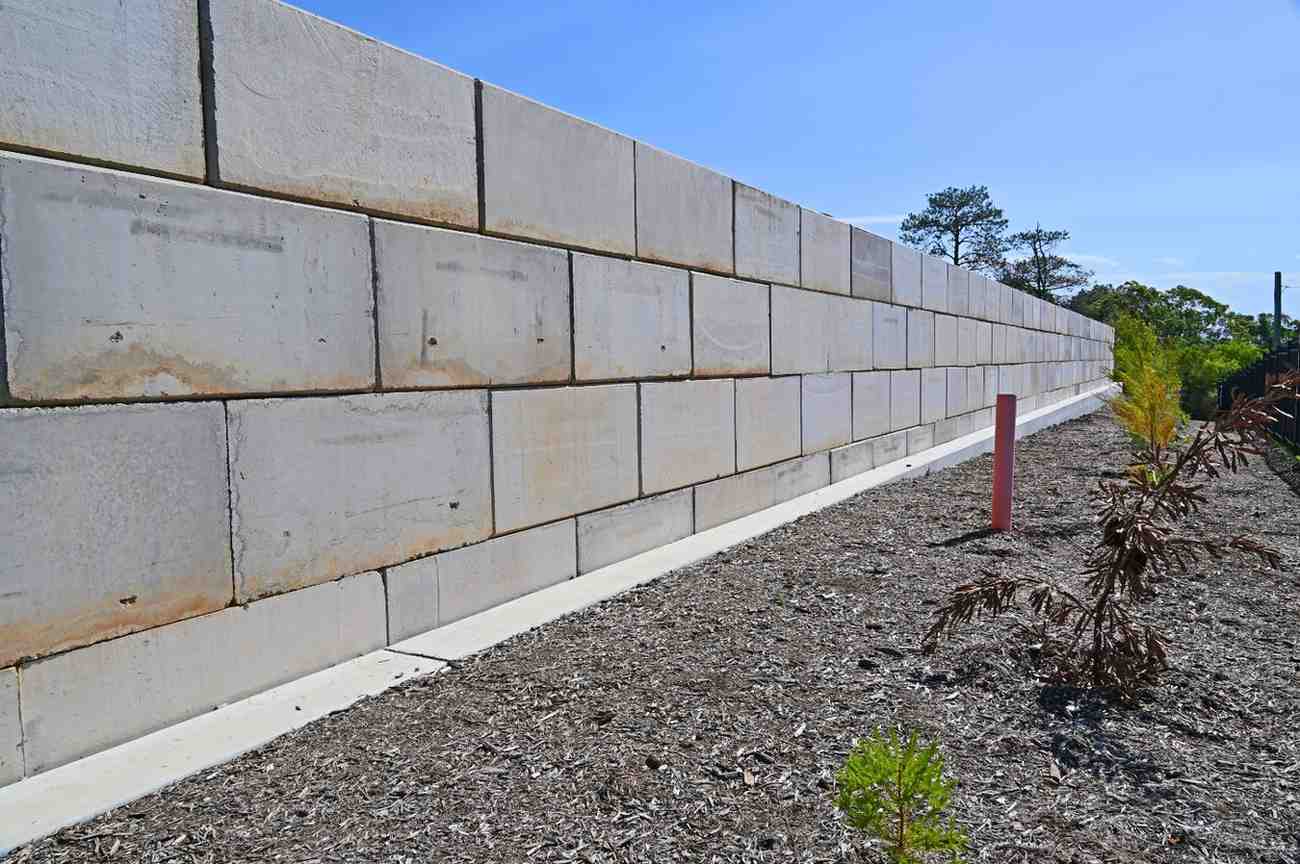
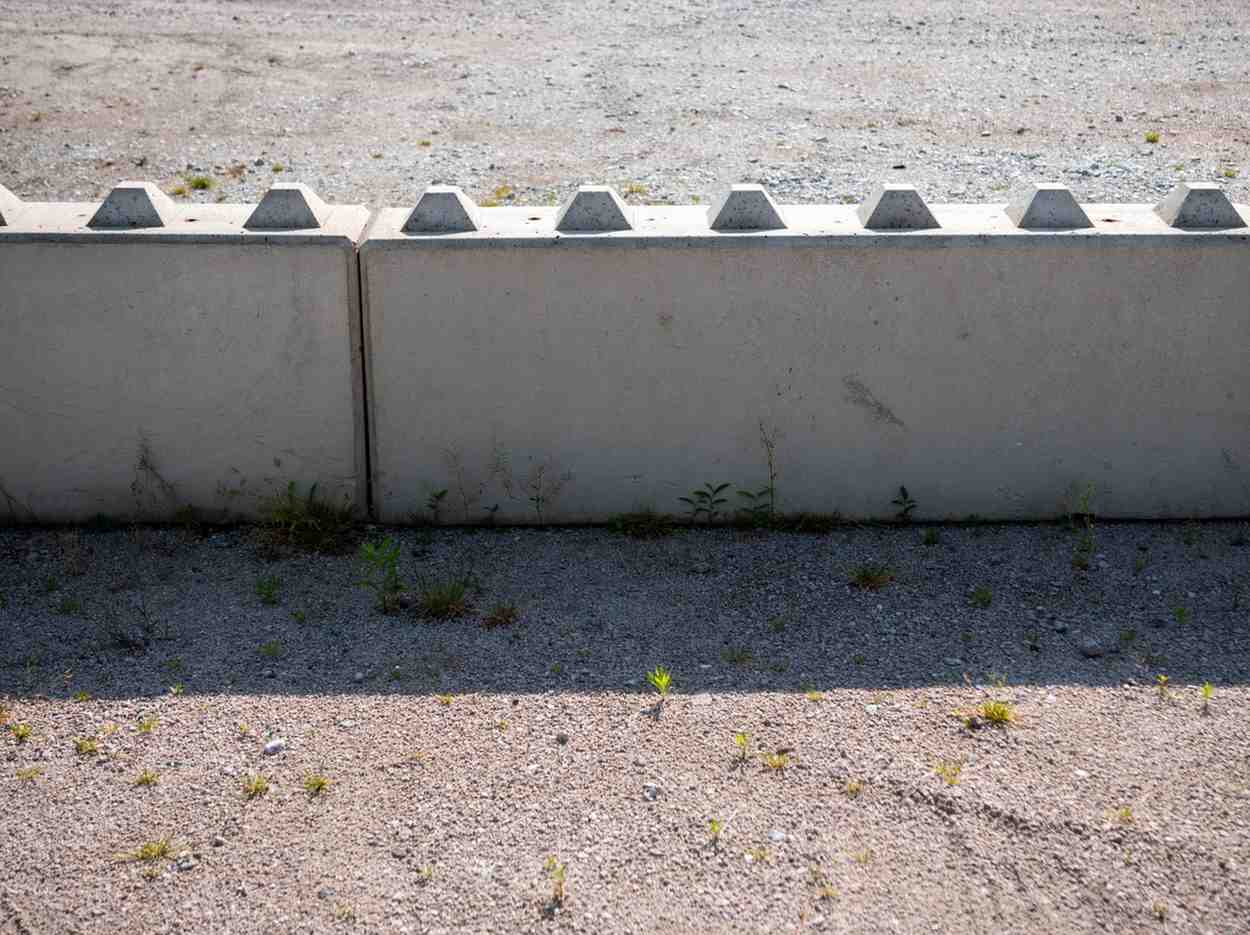
The reason short-term builds lean on precast is speed without commitment. Modular retaining systems arrive cured and ready to place, so there is no formwork to strip and no pour to wait on. Interlocking precast blocks stack into a stable wall that can be unstacked just as cleanly when the phase ends.
That flexibility is the real draw. The same core range spans both ends of that spectrum, and the way modular retaining wall blocks shift between temporary and permanent duty comes down to how they are configured rather than what they are made of.
The Lifecycle: Deploy, Hold, Dismantle, Redeploy
What makes this approach work for civil programmes is that the wall has a whole life cycle, not just an installation. Planning for all four stages up front keeps a temporary structure from becoming a permanent problem.
- Deploy: blocks are placed with standard plant and interlock into a freestanding wall, with no curing delay before the next trade moves in
- Hold: the wall carries its load through the work phase it was specified for, whether that is weeks of excavation or a full staged season
- Dismantle: at the end of the phase the wall comes apart by lifting blocks out, with no demolition, breaking or spoil to cart away
- Redeploy: the same units move to the next job, which is where relocatable retaining walls earn back their cost across a programme
Across a run of temporary works, reuse is where precast pulls ahead of hired or single-use alternatives. Reusable precast blocks that move from one phase to the next spread their value across a whole programme rather than a single wall. As a precast concrete manufacturer and supplier, InfraBlock makes blocks built to take that repeated handling without losing capacity.
How They Compare With Other Temporary Methods
Precast is not the only way to hold ground temporarily, but it is the option that does the most jobs well. Set against the usual alternatives for temporary earth retention, the trade-offs line up clearly.
| Method | Fit for temporary retaining | Speed on and off site | Reuse across jobs | Removal |
| Interlocking precast blocks | Broad, from batters to stockpiles | Fast both ways with standard plant | High, lifted out and re-set | Clean, with no spoil |
| Hired barrier blocks | Delineation and low walls, limited retained height | Fast, but low height only | Hired, so returned rather than kept | Clean, though capability is capped |
| Timber shoring | Trench and short-term support | Slower, built by hand | Low, timber degrades in the ground | Stripped and usually dumped |
| Sheet piling | Deep excavation and water retention | Specialist plant and crew | Extractable, but often left in place | Slow and disruptive to pull |
The pattern that separates precast from the rest is that it keeps a programme moving without locking a site into a single use, the same logic that makes it the default for fast-track commercial retaining work on Queensland sites. For temporary duty, that reusability is the same advantage pointed at a shorter timeline.
Specifying for a Civil Programme
Specifying for a temporary application is a different exercise from a permanent wall. Across a civil programme, the same block range should serve several rounds of temporary works, so specify for the hardest phase it will face rather than the average one.
The questions that matter most sit at the start and end of the wall’s life:
- Relocatability: confirm the blocks can be lifted and re-set cleanly, since reuse is the entire reason for choosing modular retaining systems here
- Load through the hold phase: match the block specification to what the wall actually retains during its working life, not a nominal figure
- Lead time to site: a locally supplied block avoids the interstate transport risk that can strand a phase waiting on materials
- Plant for placement: check site access suits the excavator or hiab needed to place and later lift out the blocks
Get those four right and a single order covers multiple phases instead of repeat purchases. InfraBlock’s precast concrete blocks are manufactured locally to consistent specifications, which is what makes that kind of reuse dependable across a programme rather than a gamble.
Frequently Asked Questions
Does a temporary retaining structure need engineering certification if it’s only in place for a work phase?
Often, yes. In Queensland, certification generally turns on the wall’s height and the load it retains rather than how long it stands, so a temporary wall above the height at which certification applies can still need an engineered design. Confirm the requirement with your certifying engineer and local council early, because a short service life does not automatically exempt a wall from approval.
How fast can a temporary wall go up and come down on site?
Quickly, in both directions. Because the blocks arrive cured and simply stack into place, a wall can be stood up as soon as plant and blocks are on site, with no formwork or curing delay. Taking it down is just as direct, since the blocks are lifted out rather than broken up, which is what suits the method to tight phase changes.
What happens to the blocks once the project wraps up?
They move on to the next job. Precast blocks used for a temporary wall are designed to be lifted out intact and reused elsewhere rather than written off when the phase ends. That reuse is the main reason temporary precast walls compare well on cost over a full programme.
Are temporary walls strong enough for heavy civil loads?
Yes, when the right block is specified. Precast systems manufactured to AS4678 carry the structural loads civil and site works demand, from retained batters to stockpile pressures. The key is matching the block specification to the load the wall actually holds during its working phase.
Why Civil and Infrastructure Teams Choose InfraBlock
InfraBlock manufactures and supplies precast concrete blocks to builders, developers and civil contractors managing works across the Gold Coast and South-East Queensland. We produce every block locally to consistent specifications, so the wall standing on one phase performs the same way when those blocks are reused on the next.
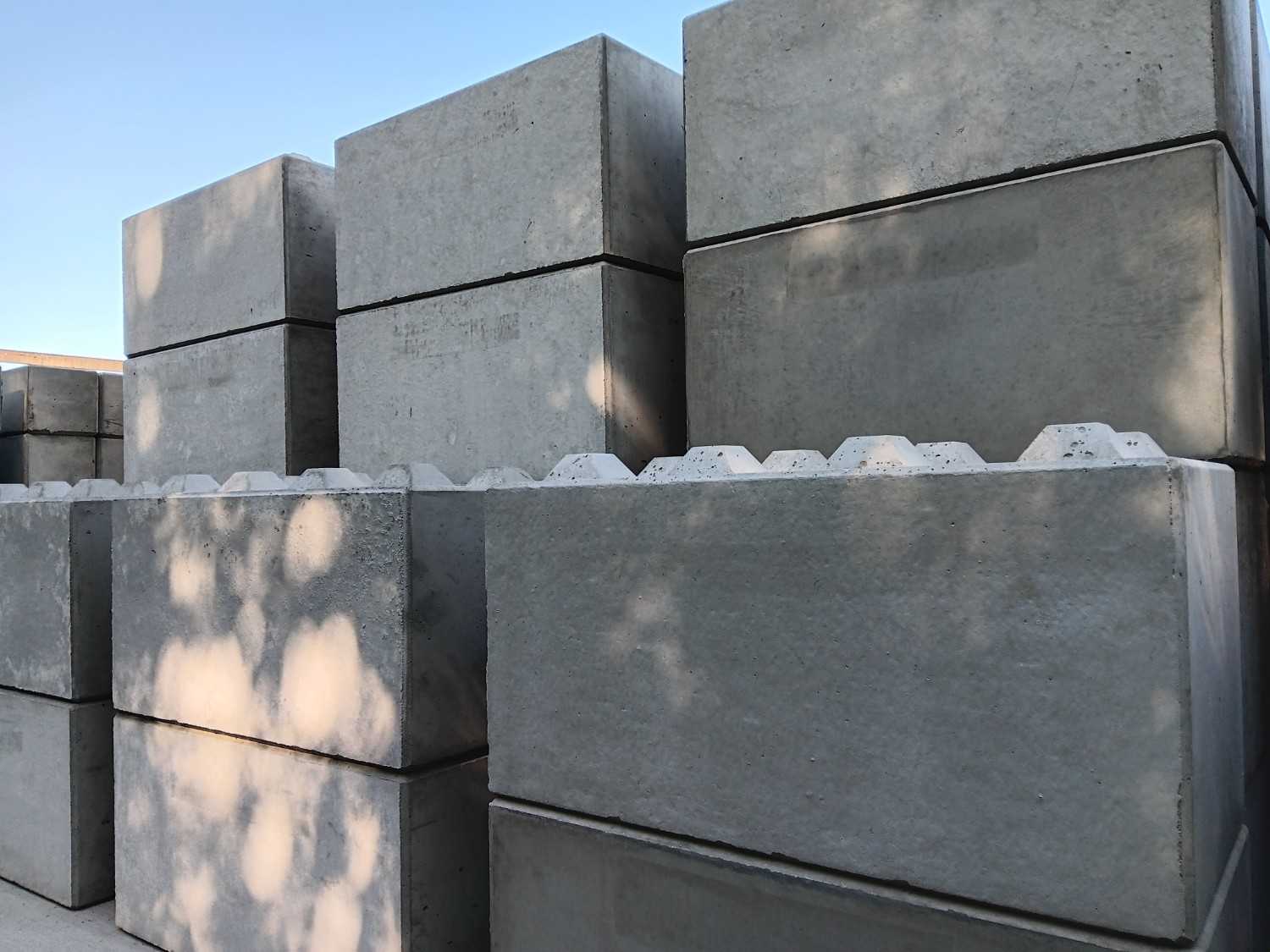
Our Large Interlocking Blocks carry the structural mass of high-load civil and retaining work needs, while our Smooth Large Interlocking Blocks add a cleaner finished face without losing strength. Both are certified to AS4678, giving your team one certified range and one local supplier from the first temporary stage to the permanent structure.
Get Your Site Retaining Sorted Before the Next Stage
The projects that stay on programme are the ones that plan their temporary stages as deliberately as their permanent structures. InfraBlock supplies the precast blocks that let a civil site hold ground through every phase and reuse the same materials as the plan changes around them.
Request a quote or talk through your programme with our team today. Call 0478 102 201 or email info@infrablock.com.au, and we will help match the right block to each phase before your next stage begins.