Every civil programme has a handful of items sitting squarely on the critical path, and the retaining structure holding back the earthworks is often one of them. When the blocks for that wall are slow to arrive, the delay does not stay contained: it pushes back every trade queued up behind it. On a Gold Coast build racing the storm-season calendar, where those blocks are made turns out to matter as much as when they are ordered.
Why Material Sourcing Sits on the Critical Path
Local precast manufacturing rarely makes it onto a project risk register, yet it quietly shapes whether a civil programme holds its dates. A retaining wall can only rise as fast as its blocks reach the site, so the sourcing decision made early in planning sets a ceiling on the pace of that structure later. Get it right and the wall stops being a scheduled risk and becomes a part of the build that simply keeps moving.
For larger civil and infrastructure retaining structures, the stakes climb with the scale of the earthworks behind them. A single late delivery there can ripple across the whole programme, and the cost of that slip lands well beyond the wall itself.
The Hidden Cost of a Long Supply Chain
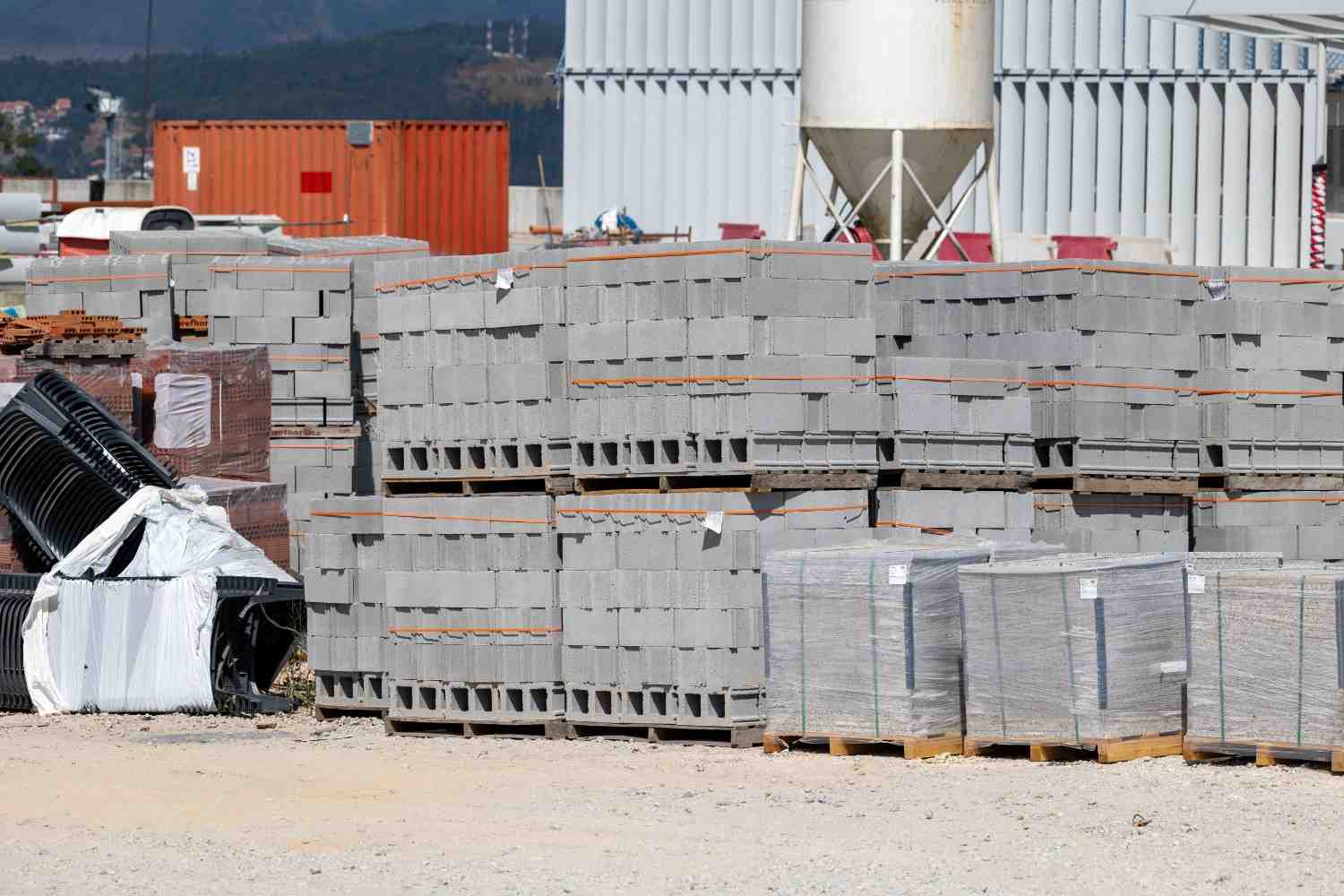
Blocks that come from far away carry every delay built into the distance they travel. When a precast is trucked in from interstate or shipped from overseas, the journey behind it adds a series of handoffs, and any one of them can move a delivery date without much warning.
On a tight civil programme, there is rarely room to absorb that kind of slip. A long supply chain exposes a build to a familiar set of pressures:
- Freight scheduling: Long-haul transport runs to its own timetable rather than your build sequence, so a delivery window can shift for reasons entirely outside the project
- Handling between depots: Every transfer point along the route adds another place for a load to sit, get bumped down a queue, or be held up by something upstream
- Distance from support: When blocks and their certification sit a long way from site, sorting a query or a shortfall takes far longer than it should
- Exposure to import delays: Overseas production ties a programme to shipping schedules and border processing that no local project team can influence
None of these show up as a line item when the order goes in. They surface later, usually at the worst possible moment, when the wall is already holding up the trades behind it. Knowing when to place your block order helps, but the length of the chain itself is the deeper variable.
How Producing Blocks Close to Site Shortens the Chain
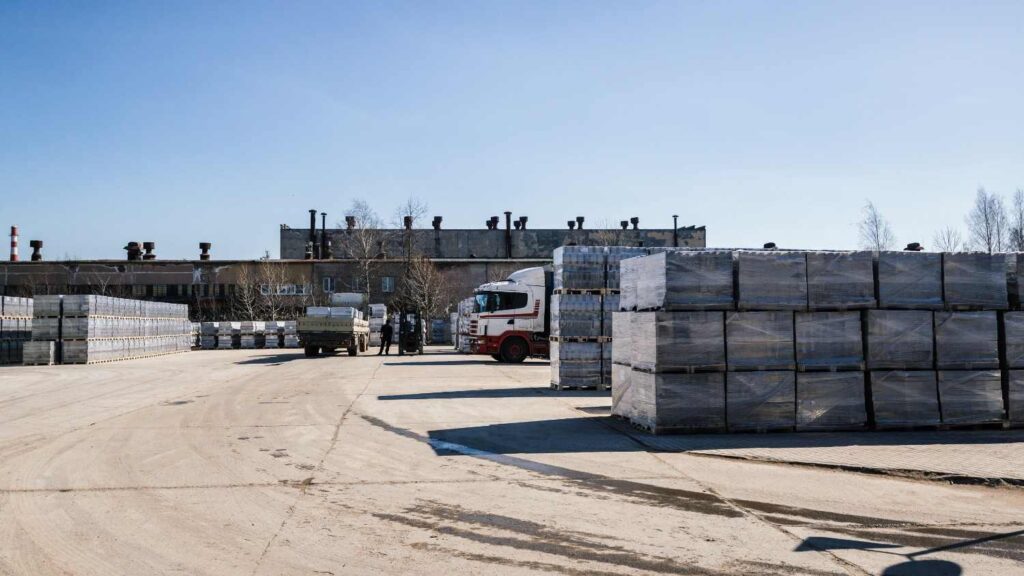
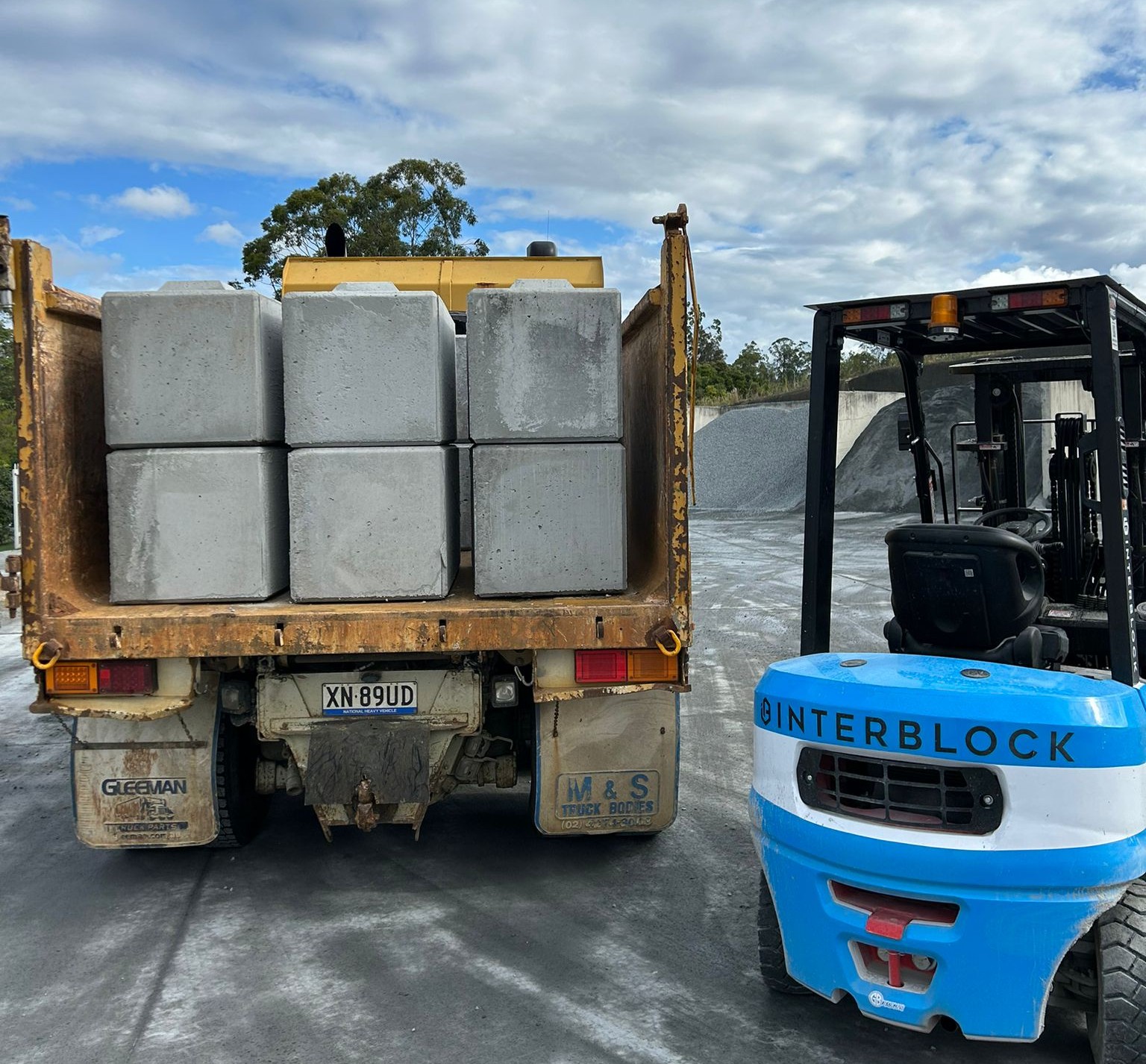
Sourcing close to home strips most of that risk out of the equation. When blocks are produced locally on the Gold Coast, there is no interstate freight line to depend on and no extended ocean crossing to build into the programme. Delivery can be coordinated around the build sequence rather than a national logistics network.
That proximity gives a project a genuinely shorter supply chain, with fewer transport variables between the yard and the site. Blocks manufactured locally travel a short, direct route to where they are needed, which keeps far more of the timeline inside the project team’s control.
Local production also keeps the people who made the blocks close at hand. If a specification needs confirming or a follow-up order comes up mid-build, that conversation happens with a nearby producer rather than a distant depot. InfraBlock manufactures its full precast range on the Gold Coast, which keeps supply close to the projects it serves across South-East Queensland.
What Reliable Supply Means for a Civil Programme
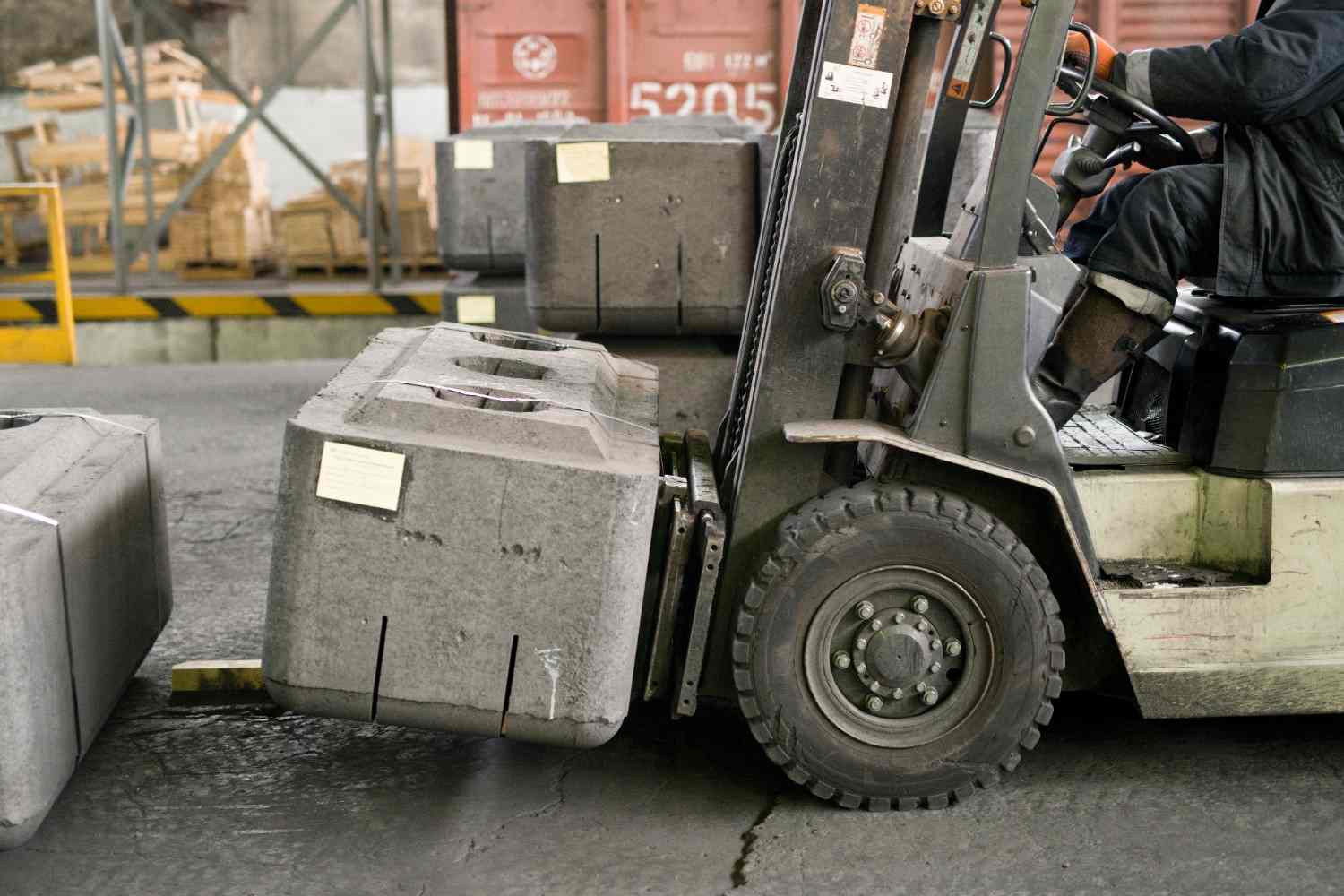
For the team running a civil programme, supply you can count on is worth more than a fast quote. It is the difference between a wall that sits quietly off the critical path and one that becomes the reason the whole build is waiting.
When retaining wall block supply is dependable, the builder or contractor can lock in a sequence and hold it, confident the blocks will be there when the crew reaches that stage. Precast that arrives ready to place, on a timeline the project can count on, takes one more variable out of a programme that already has plenty.
That certainty compounds on staged civil work. Each phase can be planned around supply the site can rely on, which is the kind of predictability that keeps a programme moving at the pace the precast goes up once it is on site.
Why Proximity Adds Up for Gold Coast and Queensland Projects
Proximity does more than shorten a delivery run. Working with a precast concrete supplier on the Gold Coast means the certifications and specifications a project needs for council approval stay close at hand, rather than being chased across state lines when a deadline is looming.
For projects across the Gold Coast and the wider South-East Queensland region, a nearby producer can also respond to how a build actually unfolds. Choosing a local precast manufacturer keeps the supply conversation practical and responsive, close to the site and the people making the calls. InfraBlock’s precast concrete blocks are made and stocked on the Gold Coast, ready for your builder to place as each stage of the programme comes due.
Frequently Asked Questions
Does locally made precast really affect a project’s schedule?
Yes. Blocks made close to site travel a short, direct route with fewer handoffs, so there is less that can go wrong between the yard and the building. That keeps more of the delivery timeline within the project team’s control, which matters most when the wall is holding up everything behind it.
How does distant or imported supply put a civil programme at risk?
Long-distance and overseas supply adds freight scheduling, extra handling, and border processing to the journey, and any of those can shift a delivery date. On a programme with little slack, a single late load can hold up every trade queued behind the wall.
What should a builder confirm about block supply before locking a sequence?
Confirm the block specification, the quantities, and that the supplier can deliver to the build sequence rather than a fixed external timetable. Sourcing close to site makes that coordination far more straightforward.
Is precast suitable for large or staged civil works?
Yes. Precast blocks are made off-site and arrive ready to place, so each stage can be supplied and completed in turn. Sourcing locally means the blocks for later phases can be coordinated to match how the programme actually progresses.
Why Gold Coast Builders Choose InfraBlock for Reliable Local Supply
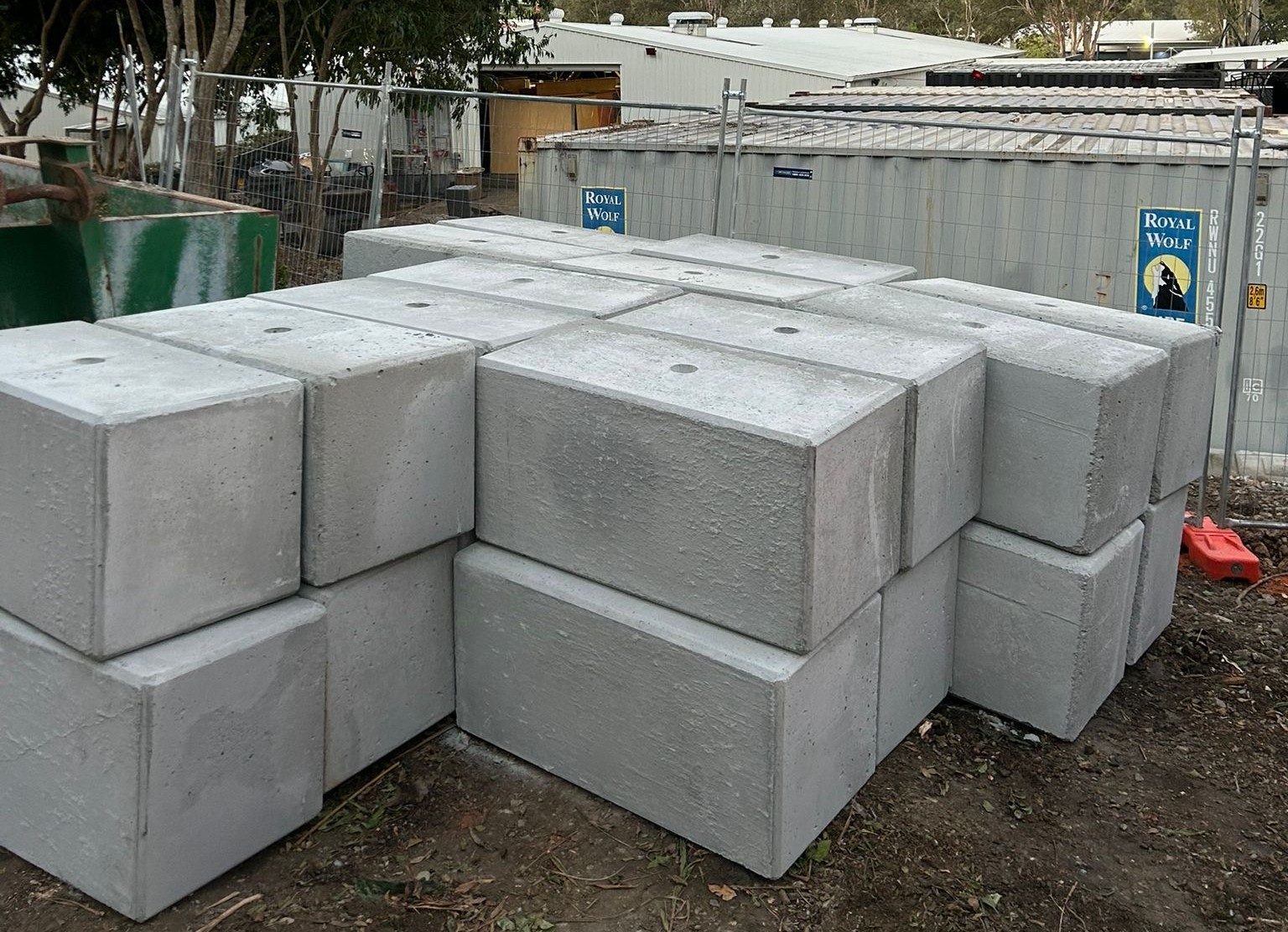
InfraBlock is the Gold Coast’s trusted manufacturer and supplier of precast concrete retaining products, working with builders, developers, and civil contractors across South-East Queensland. Because we produce our full range locally, supply stays reliable and close to the projects it serves, so the blocks are one less thing standing between a programme and its next milestone.
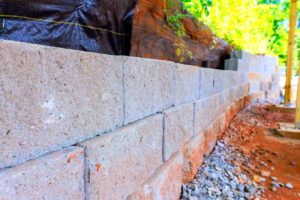
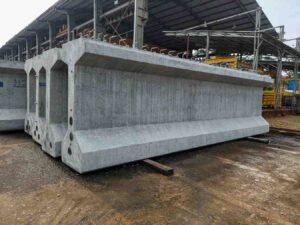
That capability is matched by a product range built for serious earth-retaining work. Our Large Interlocking Blocks carry the load that high-demand civil and commercial structures place on them, while our Smooth Large Interlocking Blocks bring a clean finished face to walls on show, and every block is manufactured to AS4678. Made on the Gold Coast and ready when a build sequence calls for them, they are how we keep local supply, something you can build a programme around.
Plan Your Next Civil Build Around Supply You Can Trust
The programmes that run cleanest are the ones where the materials were treated as part of the plan, not a late scramble. For retaining wall supply that stays close to your site and lands when your sequence needs it, InfraBlock is the Gold Coast precast manufacturer and supplier built around keeping your supply reliable, so your civil build stays on schedule.
Speak to our team about your upcoming programme and we will help you plan supply that lands exactly when you need it. Call 0478 102 201 or email info@infrablock.com.au, and we will keep your blocks confirmed, local, and ready for the build ahead.